




Experiencing Heat Pump Issues? Get Reliable Repair Services Now!
Is your heat pump struggling to cool your home in Crescent Beach's humid climate? Don’t let discomfort take over your day, contact us immediately to schedule a diagnostic or discuss flexible financing options.
When your system fails, you need a solution that prioritizes speed and technical accuracy. We provide:
- Rapid response team available 24/7 for all emergency repairs.
- Efficient, same-day service so you can return to comfort quickly.
- Upfront pricing with no hidden costs – satisfaction guaranteed.
Fully licensed and insured for your peace of mind, with flexible financing options available.
Immediate Solutions for Heat Pump Failures
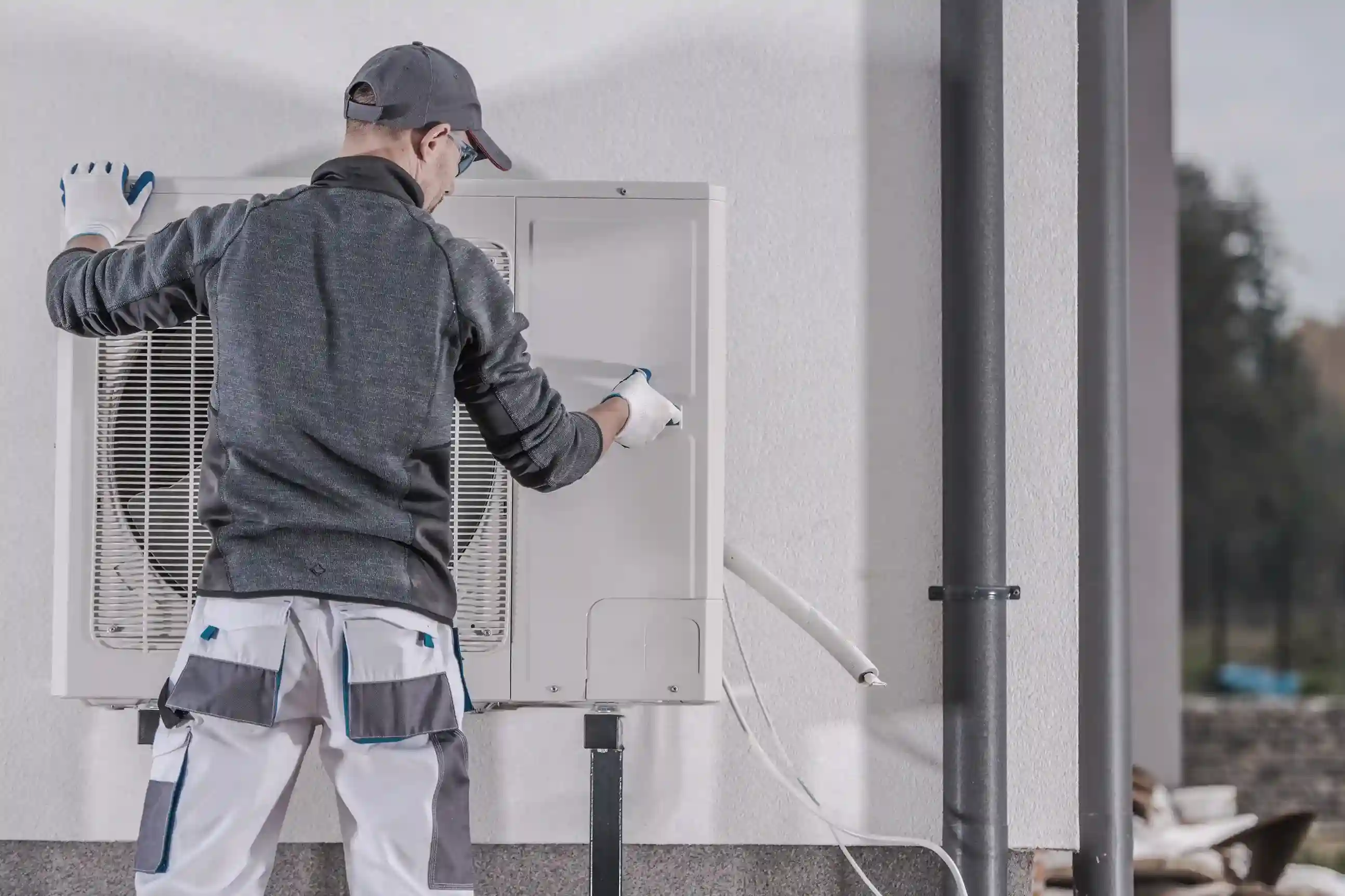
A malfunctioning heat pump in Florida creates an immediate crisis, particularly during the peak humidity of summer or the sudden cold snaps of winter. Unlike standard air conditioners, heat pumps work year-round to move heat in or out of your home. When they fail, you lose both heating and cooling capabilities. Accu-Temp Heating and Air Conditioning specializes in diagnosing these dual-function systems to restore indoor air quality and temperature control without delay.
Heat pumps operate under constant stress due to the local climate. If the system is blowing warm air when it should be cooling, making grinding noises, or failing to turn on altogether, these are signs of critical component failure. Ignoring these signals often leads to more expensive repairs or total system burnout. We address the root cause of the breakdown, whether it is an electrical failure, a refrigerant leak, or a mechanical obstruction, ensuring the fix holds up against the elements.
What to Expect From Your Repair Service
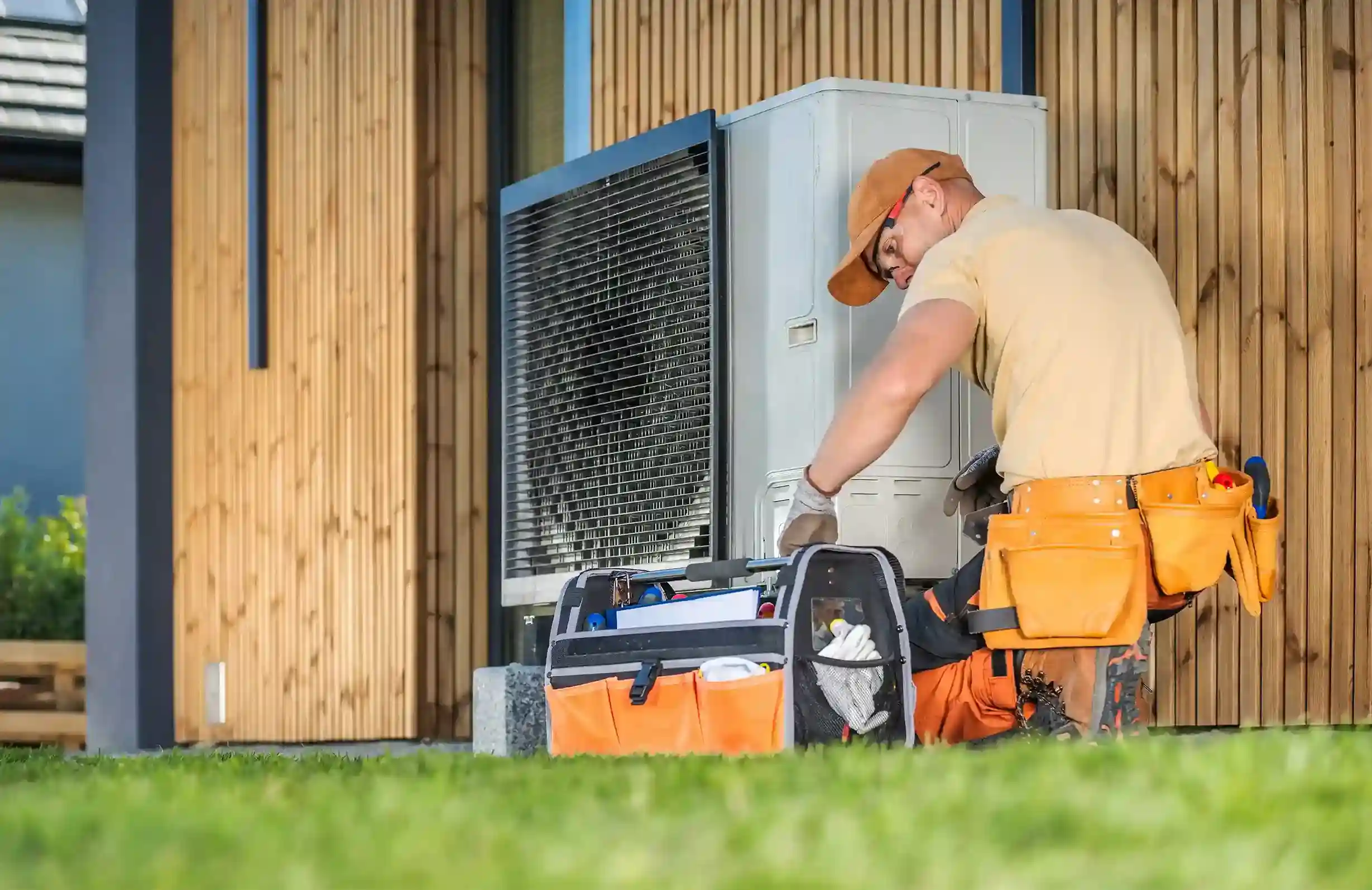
When you request professional heat pump service, the goal is to minimize downtime while ensuring the system operates at peak efficiency. The scope of a repair visit focuses on isolating the issue through advanced diagnostics and implementing a permanent fix using high-quality replacement parts.
Comprehensive System Diagnostics
The technician begins by assessing the entire system, not just the obvious symptoms. This involves testing electrical voltage, amperage draws on motors, and refrigerant pressures. Because heat pumps rely on a reversing valve to switch between modes, this component is rigorously tested to ensure it hasn't stuck in one position.
Scope of Repairs
Typical repair services cover a wide range of mechanical and electrical issues. Technicians are equipped to handle:
- Refrigerant Leak Detection and Recharge: Locating leaks in the coils or line sets, repairing the breach, and restoring refrigerant to manufacturer specifications.
- Electrical Component Replacement: Swapping out faulty capacitors, contactors, relays, or control boards that prevent the unit from starting or cycling correctly.
- Airflow Corrections: Addressing issues with blower motors or obstructed ductwork that strain the compressor and reduce efficiency.
- Thermostat Calibration: Ensuring the interface between the user and the machine is communicating accurate temperature data.
Timeline for Restoration
Most heat pump repairs are completed on the same day as the diagnostic visit. Service trucks are stocked with common parts to avoid the delays associated with ordering components. If a specialized part is required, the timeline is communicated clearly, with expedited shipping options often available to restore comfort as fast as possible.
The Heat Pump Repair Process
Understanding the steps involved in a professional repair helps homeowners feel confident in the service provided. We follow a structured protocol to ensure safety and quality.
- Initial Safety Inspection: The technician first shuts off power to the unit to safely inspect electrical connections and internal components. This prevents short circuits and protects the integrity of your home’s electrical grid.
- Fault Isolation: Using diagnostic tools, the technician identifies the specific point of failure. This might involve testing the compressor windings or checking the defrost board logic.
- Review of Findings: Before any work begins, the technician explains the issue, the required repair, and the associated costs. You receive a clear, written explanation of what went wrong and how it will be fixed.
- Execution of Repair: The technician removes the faulty component and installs the new part. This step includes cleaning the immediate area, such as debris around the outdoor condenser, to ensure optimal airflow.
- System Testing and Validation: After the repair, the system is powered back on and observed through a full cycle. The technician measures the temperature differential (the difference between air going in and coming out) to verify the heat pump is heating or cooling effectively.
- Final Walkthrough: The technician demonstrates that the system is working, offers maintenance advice, and answers any questions regarding the operation of the repaired unit.
Deciding When to Repair or Replace
Homeowners often face the difficult choice between investing in a repair or opting for a full system replacement. Making the right financial decision requires analyzing the age of the unit, the cost of the repair, and the system's overall efficiency history.
The 50% Rule
A common industry standard for decision-making is the 50% rule. If the cost of the repair approaches or exceeds 50% of the value of the system—or the cost of a new system—replacement is generally the smarter financial move. Pouring money into a depreciating asset often leads to diminishing returns.
Age and Reliability
Heat pumps in coastal areas like Crescent Beach typically have a lifespan of 10 to 15 years due to salt air corrosion and heavy usage. If your unit is over 10 years old and requires a major repair (such as a compressor replacement), a new unit may offer better long-term value. Newer models also come with factory warranties that cover parts for up to 10 years, providing a safety net that an old, repaired unit cannot offer.
Efficiency Considerations
Older heat pumps often utilize R-22 refrigerant, which is phased out and expensive to replenish. Newer systems use R-410A or other modern refrigerants and boast higher SEER (Seasonal Energy Efficiency Ratio) ratings. Upgrading to a high-efficiency unit can significantly lower monthly utility bills, potentially offsetting the installation cost over time. If your current heat pump causes skyrocketing energy bills even when running, repair might only be a temporary bandage on an efficiency problem.
Frequency of Breakdowns
If you find yourself calling for service multiple times a year, the cumulative cost of these minor repairs adds up quickly. A system that breaks down frequently is unreliable and likely nearing the end of its operational life. In these cases, replacement eliminates the stress of unexpected failures.
Local Climate Factors and Service Notes
Operating a heat pump in this region presents specific challenges that generic maintenance cannot address. The intersection of high humidity, salt air, and specific local building codes dictates how repairs and maintenance must be handled.
Impact of Salt Air and Corrosion
For homes near the coast, salt spray is a relentless adversary for HVAC equipment. Salt accumulation on the outdoor condenser coils accelerates corrosion, leading to refrigerant leaks and reduced heat transfer capabilities. Professional repair in this area often involves checking for "fin rot" on the coils. Technicians may recommend applying a protective coating to the coils or rinsing them more frequently to extend the life of the unit.
Humidity Management
Florida’s climate requires a heat pump that excels at dehumidification. If a system is short-cycling (turning on and off too quickly), it cools the air but fails to remove moisture. This leaves the home feeling clammy and promotes mold growth. Repair technicians check the blower speed and refrigerant charge to ensure the system runs long enough to pull moisture out of the air effectively.
Permitting and Regulations
HVAC work is regulated to ensure safety and energy efficiency. Minor repairs generally do not require permits, but significant work involving refrigerant handling or component replacement must adhere to EPA regulations. Accu-Temp Heating and Air Conditioning technicians are certified to handle refrigerants responsibly, ensuring compliance with federal laws regarding ozone-depleting substances. Furthermore, if a repair turns into a replacement, local building codes require the new system to meet specific hurricane wind-load ratings for anchoring.
Utility Considerations
Local energy providers occasionally offer rebates or incentives for maintaining high-efficiency systems. Keeping your heat pump in top repair ensures you remain eligible for these savings. A well-maintained system draws less amperage, keeping your electrical consumption in line with local utility baseline expectations.
Why Professional Troubleshooting is Essential
In the age of online tutorials, some homeowners attempt to troubleshoot heat pump issues themselves. However, heat pumps are complex machines involving high-voltage electricity and pressurized chemicals. Without specialized training, DIY attempts often result in misdiagnosis, causing further damage to the system or personal injury.
The Risk of Voiding Warranties
Most manufacturer warranties strictly require that repairs be performed by a licensed professional. Attempting a repair yourself or hiring an unlicensed handyman can void the warranty immediately, leaving you responsible for the full cost of future parts, including expensive components like compressors.
Accurate Diagnosis Saves Money
A professional technician does not guess; they measure. What appears to be a bad thermostat might actually be a safety switch triggered by a clogged drain line. Replacing the thermostat won't fix the drain. Professionals identify the root cause, ensuring you don't pay for parts you don't need.
Safety Protocols
Heat pumps contain capacitors that store high-voltage charges even when the power is off. Mishandling these components can be lethal. Additionally, refrigerant causes severe frostbite if it contacts skin and is hazardous to inhale. Certified technicians have the protective gear and training to handle these elements safely.
Restoring Comfort to Your Home
A broken heat pump disrupts your life, but the solution is straightforward. By choosing a service that prioritizes technical expertise, local climate knowledge, and transparent processes, you ensure your home returns to a comfortable temperature swiftly. Whether it is a minor electrical fix or a major component replacement, the focus remains on long-term reliability and efficiency.
Your comfort is paramount. Don't let a malfunctioning system compromise your indoor environment or drive up your energy costs. Trust the experts at Accu-Temp Heating and Air Conditioning to deliver precise, effective repairs tailored to your specific needs.
Take control of your home’s climate today—contact us now to schedule your priority repair service.
Contact Us
Why Choose One Company for Everything?

Simplicity

Expertise

Savings
Service Areas