




Is Your Heat Pump Not Performing Its Best?
If your Heat Pump has been less reliable lately, or if your energy bills are rising unnecessarily, it might be time to get a professional check-up. Address inefficiencies promptly with 24/7 service options available in Crescent Beach by contacting us to schedule an inspection today. Accu-Temp Heating and Air Conditioning ensures your system operates at peak capacity regardless of the season.
- Immediate diagnostics and maintenance by certified technicians.
- Reduce utility bills with optimized heat pump performance.
- Ensured durability and extended lifespan with professional servicing.
Enjoy peace of mind with certified services and comprehensive warranties on all maintenance work.
What You Get With Comprehensive Heat Pump Maintenance
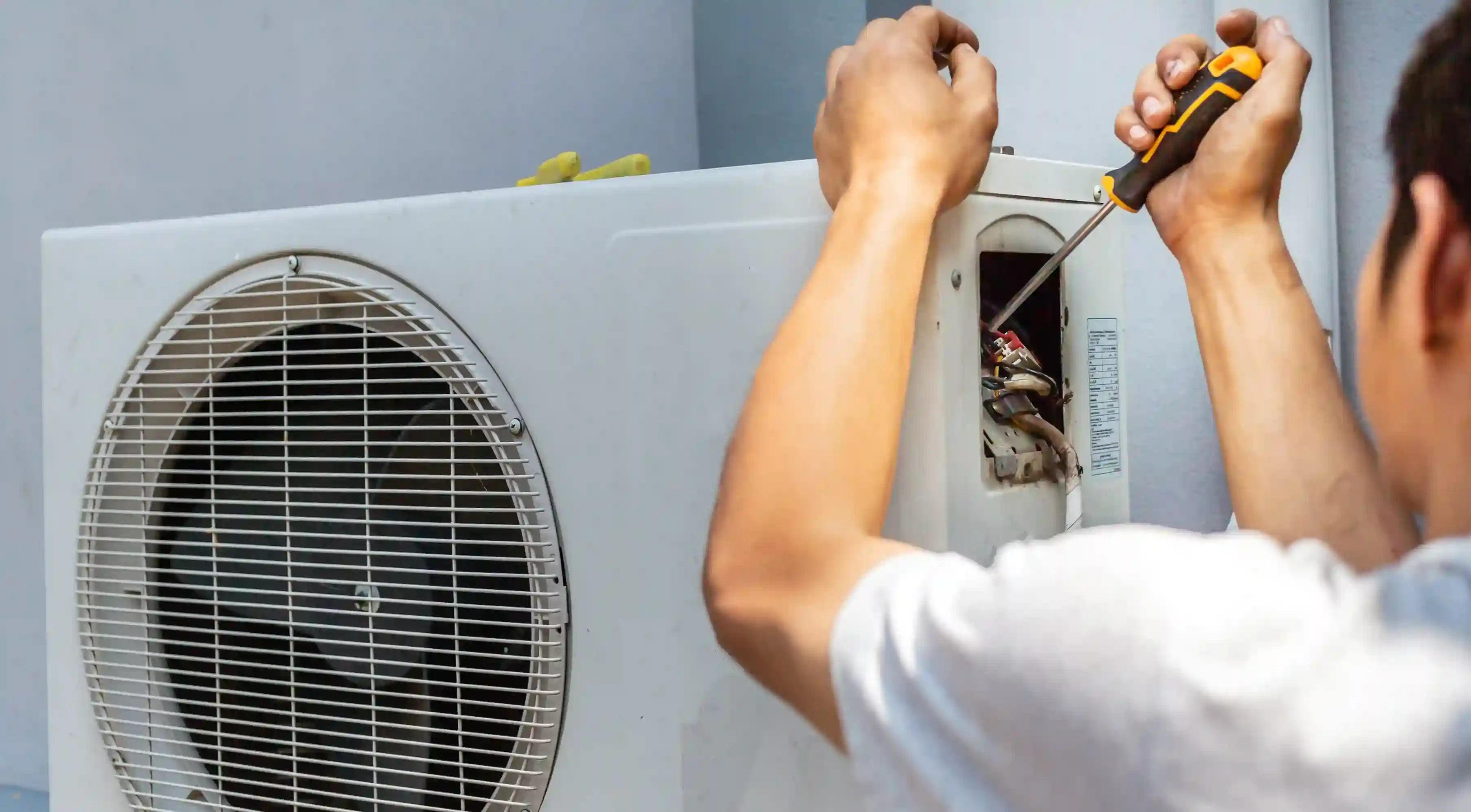
When you schedule a professional heat pump service, you are investing in the longevity and efficiency of your climate control system. A heat pump works differently than a standard furnace or air conditioner, relying on refrigerant heat transfer to provide both heating and cooling. This dual functionality means the system runs year-round, accumulating wear and tear twice as fast as standalone units. A proper maintenance visit is not a cursory glance at the unit; it is a deep technical audit of the system’s thermodynamics, electrical integrity, and mechanical components.
The scope of a maintenance visit covers several critical areas. Technicians focus heavily on the refrigerant charge. Unlike a furnace that burns fuel, a heat pump moves heat. If the refrigerant levels are too low due to a micro-leak, or too high due to improper prior service, the compressor works harder than necessary. This leads to higher amperage draw, increased electricity bills, and potential compressor failure. In Crescent Beach, where humidity is a constant factor, ensuring the system can effectively dehumidify your home is a priority during these checks.
Airflow is another major component of the service scope. The blower motor, fan blades, and ductwork connections are inspected for resistance. Restricted airflow freezes coils in the summer and causes overheating in the winter. Maintenance includes cleaning the blower wheel, which often collects dust that bypasses the filter. A clean blower wheel moves air more efficiently, reducing the load on the motor. Additionally, the indoor and outdoor coils are chemically cleaned to remove salt spray, dirt, and biological growth that acts as an insulator and blocks heat transfer.
- Electrical Connection Tightening: Loose wires cause arcing and overheating, leading to component failure.
- Thermostat Calibration: Ensuring your controls read the temperature accurately prevents short-cycling.
- Condensate Drain Clearing: Algae and mold can block drains, causing water damage and triggering overflow safety switches.
- Reversing Valve Testing: This critical component switches the unit between heating and cooling; it must shift smoothly to function correctly.
- Lubrication of Moving Parts: reducing friction in motors and bearings to minimize wear and noise.
The Maintenance Workflow: How It Works
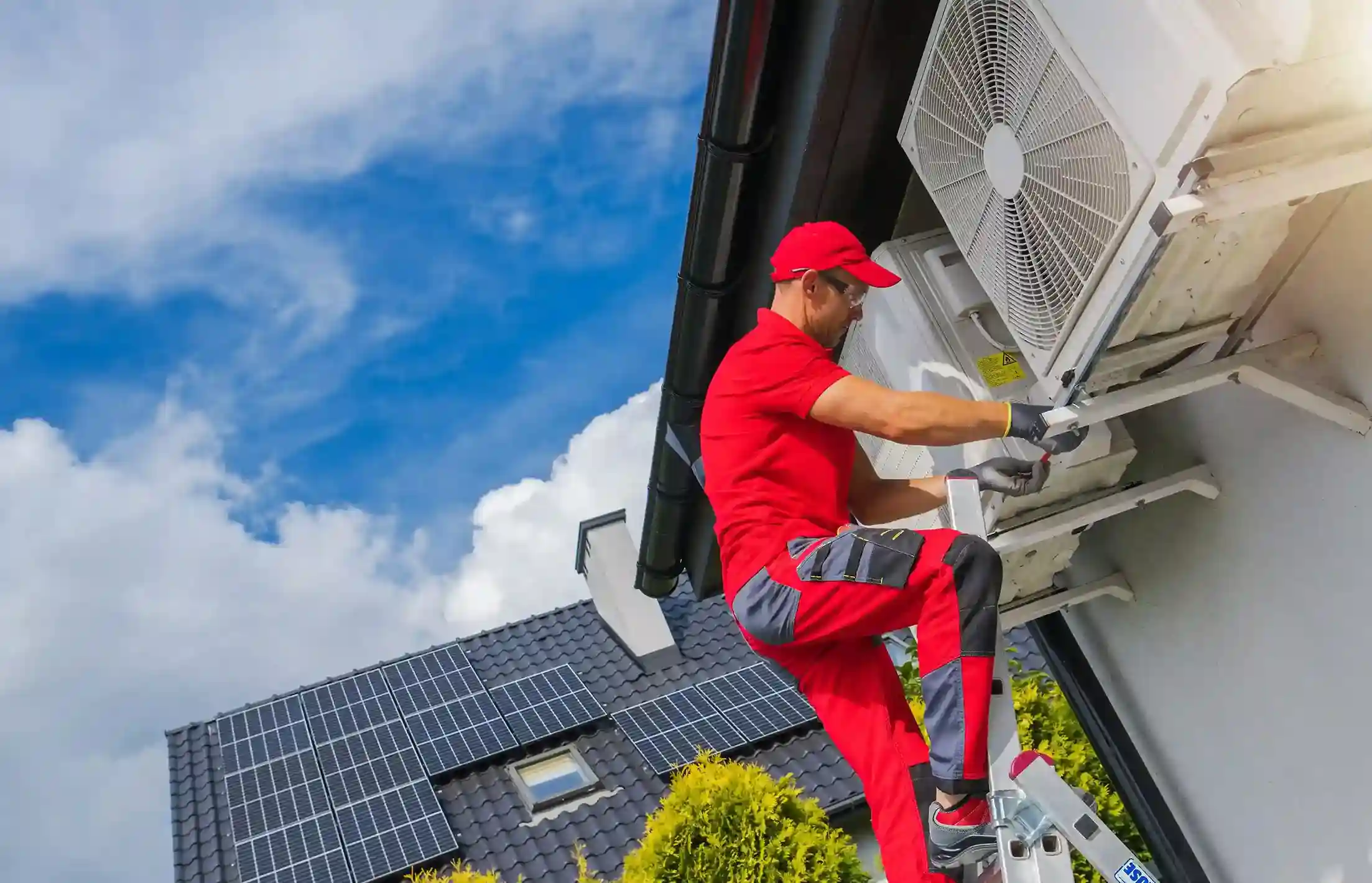
Understanding the sequence of a maintenance visit helps homeowners prepare and know what to expect. The process is designed to be thorough, minimizing disruption to your day while maximizing the data gathered about your system's health. The workflow moves from exterior diagnostics to interior performance analysis, ensuring every part of the heat pump is evaluated.
First, the technician arrives and performs a visual safety inspection of the outdoor unit. This involves checking the placement of the unit to ensure vegetation or debris hasn't encroached on the necessary clearance zones. Air intake and exhaust must be unobstructed. The technician then shuts off power to the unit to safely inspect the electrical disconnect box, looking for signs of corrosion or overheating wires, which are common issues in coastal environments.
Next, the internal components of the outdoor condenser are accessed. The technician removes the service panels to inspect the capacitor, contactor, and compressor. The capacitor is tested for microfarads to ensure it is within the manufacturer's specified range; a weak capacitor is a leading cause of compressor failure. The contactor is checked for pitting or burning on the contacts. During this stage, the condenser coils are also cleaned to remove any salt buildup or grime that hinders heat rejection.
Following the outdoor checks, the focus shifts indoors. The air handler or furnace section is opened to inspect the evaporator coil and blower assembly. If the coil is accessible, it is inspected for cleanliness. The condensate drain line is vacuumed or flushed to prevent future clogs. The technician also assesses the condition of the auxiliary heat strips (emergency heat) to ensure they engage properly when the heat pump cannot keep up with low temperatures.
Finally, the system is powered back on for a live operational test. The technician measures the "temperature split"—the difference between the air entering the return vent and the air leaving the supply vents. This data point confirms whether the system is cooling or heating within the correct parameters. Refrigerant pressures are measured while the system is running to verify subcooling and superheat levels. Once all data is recorded, a report is generated detailing the system’s condition and any recommended repairs.
When to Repair vs. Replace Your Heat Pump
Deciding between continuing to repair an aging unit or investing in a replacement is a financial calculation based on efficiency, age, and repair frequency. While maintenance can extend the life of a system, there comes a tipping point where throwing money at an old unit is no longer economical.
Age is the primary indicator. The average lifespan of a heat pump in a coastal climate is often shorter than the national average due to corrosion and heavy usage. If your unit is over 10 to 12 years old and requires a significant repair—such as a compressor or reversing valve replacement—it is often wiser to allocate those funds toward a new system. Modern systems offer higher SEER2 (Seasonal Energy Efficiency Ratio) ratings, which can lower monthly energy costs significantly compared to a decade-old unit.
Frequency of breakdowns is the second factor. If you find yourself calling for service multiple times a year for different issues—a capacitor one month, a fan motor the next, and a refrigerant leak later—the system has likely become a "money pit." Accu-Temp Heating and Air Conditioning technicians can provide a cost-benefit analysis, comparing the cumulative cost of likely future repairs against the monthly savings of a new, high-efficiency unit.
Consider the following decision triggers:
- R-22 Refrigerant: If your system uses the phased-out R-22 (Freon), repair costs involving refrigerant will be exorbitantly high. Replacement is almost always the better option.
- Major Component Failure: A failed compressor or a leaking coil out of warranty usually costs 50% or more of the price of a new unit.
- Inconsistent Comfort: If some rooms are hot while others are cold, or if the unit runs constantly without reaching the set temperature, the compressor may be losing compression efficiency.
- Rising Energy Bills: A steady increase in kilowatt-hour usage, despite normal weather, indicates the system is losing internal efficiency.
Local Climate Factors Affecting Your System
Operating a heat pump in Crescent Beach presents unique challenges that generic maintenance guides often overlook. The local environment is classified as humid subtropical, but the immediate proximity to the Atlantic Ocean introduces salt air corrosion as a primary threat to HVAC equipment. Salt spray is carried by the wind and settles on the aluminum fins and copper tubing of the outdoor condenser coil. Over time, this causes galvanic corrosion, which eats away at the metal, leading to refrigerant leaks and reduced heat transfer capabilities.
High humidity is another critical factor. From June through September, the heat pump acts primarily as a dehumidifier. If the system is short-cycling due to lack of maintenance or oversizing, it will cool the air quickly but fail to remove moisture. This leaves the home feeling clammy and increases the risk of mold growth in ductwork and on the evaporator coil. Regular maintenance ensures the drain lines are clear and the blower speed is set correctly to maximize moisture removal during these humid months.
The Atlantic hurricane season also dictates specific maintenance needs. Secure anchoring of the outdoor unit is essential to prevent it from shifting during high winds. Furthermore, after a storm, the unit should be inspected for debris impact and electrical surges. Heavy rainfall requires that the ground around the unit slopes away to prevent flooding, which can damage the compressor and electrical components if the water level rises too high.
Seasonal transitions in Florida are subtle but important. While winters are mild, the heat pump must be ready to switch to heating mode instantly. The "defrost cycle" is a function that melts frost off the outdoor coil during cold mornings. If the sensors controlling this cycle fail, the outdoor unit can freeze into a block of ice, stopping all heat transfer. Proactive maintenance tests these sensors before the first cold snap arrives.
Why Professional Maintenance is Essential
Attempting to maintain a modern heat pump without professional training and tools is risky and often ineffective. Heat pumps rely on precise thermodynamic balances. A variance of just a few ounces of refrigerant can significantly impact efficiency and compressor life. Professional technicians utilize digital manifolds and psychrometric probes to measure superheat and subcooling with high precision, ensuring the charge is exact.
Beyond the technical tools, professional service ensures compliance with warranty requirements. Most equipment manufacturers require proof of annual maintenance by a licensed contractor to keep the parts warranty valid. Skipping these professional checks can void the warranty, leaving the homeowner responsible for the full cost of expensive parts like compressors or inverter boards.
Safety is paramount. Heat pumps involve high-voltage electricity and high-pressure refrigerant gases. Technicians are trained to handle these hazards safely, inspecting wiring for potential fire hazards and checking capacitors that store lethal charges even when power is off. They also have the certification to handle and reclaim refrigerants in accordance with EPA regulations, protecting the environment and the homeowner from liability.
- Advanced Diagnostics: Professionals spot "invisible" problems like micro-leaks or motor winding insulation breakdown before they cause failure.
- Code Compliance: Technicians ensure that any adjustments or repairs meet local building codes and NEC (National Electrical Code) standards.
- Comprehensive Cleaning: Industrial-grade coil cleaners and high-pressure water systems clean coils far more effectively than a garden hose.
- Priority Service: Regular maintenance customers often receive priority scheduling during peak demand times like heat waves.
Ensuring Year-Round Comfort
Your heat pump is the heart of your home's comfort system, working tirelessly against the salt air, humidity, and heat. Neglecting its care leads to premature failure, uncomfortable indoor climates, and inflated energy expenses. By choosing a structured maintenance plan, you protect your investment and ensure your home remains a sanctuary regardless of the weather outside.
Call Us Now!
Don't wait for a breakdown to think about your heating and cooling system. Proactive care is the key to consistent performance and long-term savings. Accu-Temp Heating and Air Conditioning is ready to assist with comprehensive inspections and tuning tailored to the specific needs of coastal Florida homes.
Schedule your heat pump maintenance service now and secure your comfort for the season ahead.
Contact Us
Why Choose One Company for Everything?

Simplicity

Expertise

Savings
Service Areas