


Experiencing Heating Issues? Swift and Reliable Installation Awaits!
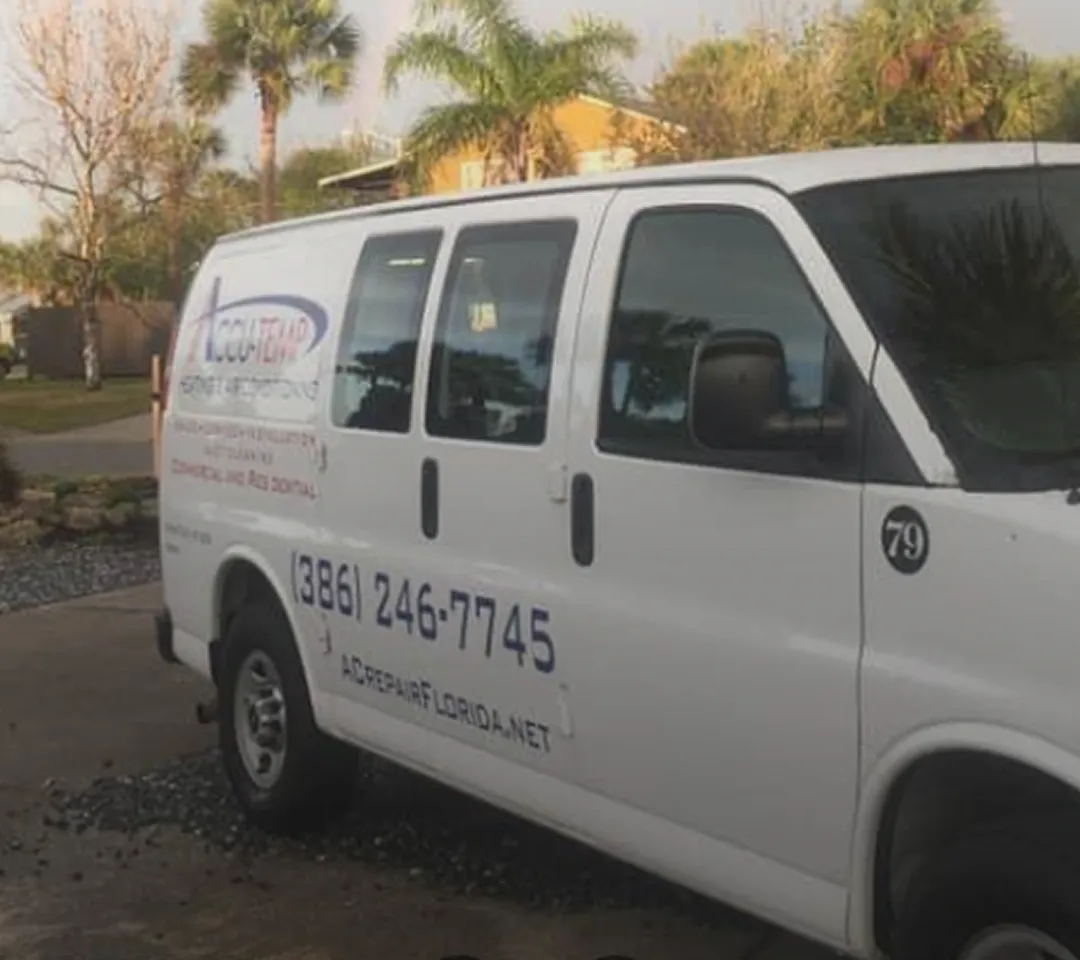
Facing unexpected heating failures can be stressful, especially when the temperature suddenly drops and leaves your home uncomfortable in Holly Hill. A broken heating system disrupts your daily routine and compromises your comfort, but you can schedule a professional evaluation immediately or apply for financing to restore warmth without delay. Accu-Temp Heating and Air Conditioning provides rapid response times and expert solutions to ensure your home remains safe and comfortable regardless of the weather outside.
- Same-day service availability to ensure you are never left in the cold.
- Transparent pricing and financing options to ease your budget concerns.
- Professional installers certified and licensed in Florida for quality assurance.
All installations come with a comprehensive warranty and adhere to local building codes, ensuring peace of mind.
What You Can Expect From Our Installation Service Today
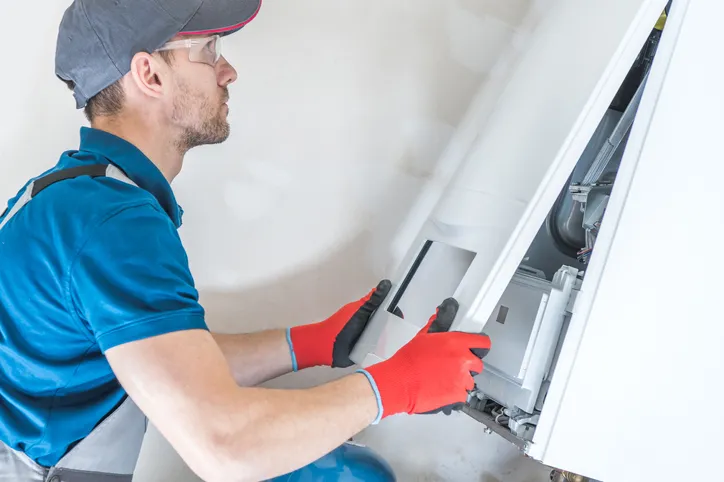
When you request a heating installation or replacement, the goal is to move from a broken or inefficient system to a fully operational, energy-efficient unit with minimal disruption to your life. The process begins with a technical assessment rather than a generic sales pitch. Because heating in this region is typically achieved through heat pumps or electric strip heat within an air handling unit, the assessment focuses on the entire HVAC infrastructure.
You receive a clear, itemized proposal that outlines the total investment. This includes the cost of the new equipment, labor, necessary permits, and the removal of the old unit. There are no hidden fees or surprise charges added after the work begins. The proposal also highlights the specific efficiency ratings of the recommended units, usually measured in SEER2 and HSPF2, which determine your long-term energy savings.
Timelines are critical when a system fails. Once a system is selected, installation is typically scheduled immediately. For many homeowners, this means work begins as soon as the equipment is staged, often within 24 hours of the initial consultation. The focus is on restoring normalcy to your home swiftly while adhering to strict manufacturer protocols.
Understanding the Scope of Heating Replacement
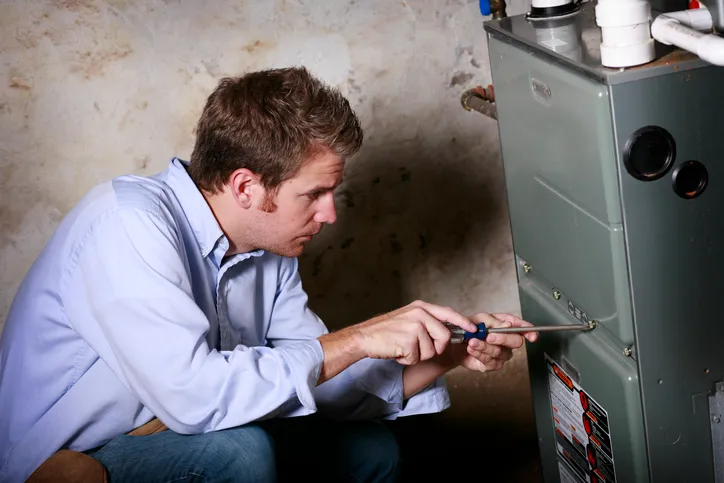
Replacing a heating system involves more than swapping one metal box for another. In the context of Florida homes, this usually involves replacing the heat pump—the outdoor unit that provides both heating and cooling—and the indoor air handler.
- System Compatibility Check:
Technicians verify that the new unit matches your existing ductwork and electrical capacity. Installing a modern, high-efficiency system on undersized ductwork can lead to premature failure and high humidity levels.
- Thermostat Integration:
Modern heating systems often require advanced thermostats to communicate effectively. The scope includes installing and programming smart thermostats that optimize the heating cycle for mild winters.
- Safety and Code Compliance:
The project includes bringing the immediate area up to current building codes. This may involve upgrading the electrical disconnect box, replacing the refrigerant lines, and ensuring the outdoor unit is tied down according to hurricane-wind load requirements.
The Installation Process: Step-by-Step
A professional installation follows a rigorous checklist to ensure the new system operates at peak performance for years. This structured approach eliminates guesswork and ensures every component is secured and calibrated correctly.
- Site Preparation and Protection:
The installation team arrives with protective gear to keep your home clean. Drop cloths are placed in traffic areas, and safety measures are taken to protect flooring and furniture near the indoor unit.
- Safe Removal of Existing Equipment:
The old unit is disconnected electrically and physically. Certified technicians recover any remaining refrigerant in accordance with EPA regulations to prevent environmental contamination. The old equipment is then removed from the property for proper recycling and disposal.
- Ductwork and Plenum Inspection:
Before the new unit is set in place, the connection points to the ductwork (the plenum) are inspected for mold, leaks, or damage. Any necessary repairs are made to ensure the new system delivers air efficiently without leaking into the attic or crawlspace.
- Positioning and Securing the New System:
The new indoor air handler is positioned and sealed. Outside, a new composite pad may be set to prevent vibration and sinking. The outdoor heat pump is bolted down to meet local wind ratings, ensuring stability during tropical storms.
- Refrigerant Line Connection and Brazing:
Copper lines connecting the indoor and outdoor units are brazed using nitrogen purging. This technical step prevents oxidation inside the pipes, which is a leading cause of compressor failure in new systems.
- Vacuum and Charge:
A deep vacuum is pulled on the system to remove all moisture and air. Once the vacuum holds, the system is charged with the precise amount of refrigerant required by the manufacturer.
- Electrical and Control Wiring:
High-voltage electrical connections are tightened and tested. Low-voltage control wires are connected to the thermostat, ensuring the system responds correctly to heating and cooling demands.
- Final Commissioning and Testing:
The system is turned on and tested in all modes. Technicians measure static pressure, airflow, and temperature splits to verify the unit is performing exactly as designed.
Repair vs. Replace: Making the Financial Decision
Deciding between sinking more money into an old system or investing in a new one is a common dilemma for homeowners in Holly Hill. While repairs might seem cheaper upfront, they often act as a temporary bandage on a failing system. There are specific metrics used to determine when replacement is the more financially sound option.
The 50% Rule
If the cost of the repair approaches or exceeds 50% of the value of a new system, replacement is generally the better investment. A major repair, such as a compressor or coil replacement, on an out-of-warranty unit is rarely cost-effective.
Age of the Equipment
Heat pumps in coastal environments typically last 10 to 12 years due to salt air corrosion and heavy usage during long summers. If your unit is over 10 years old and requires a significant repair, the likelihood of another component failing soon is high. Accu-Temp Heating and Air Conditioning recommends evaluating the history of the unit; if breakdowns have become an annual occurrence, a new system eliminates those recurring costs.
Energy Efficiency Changes
Older systems typically have lower SEER (Seasonal Energy Efficiency Ratio) ratings. A 12-year-old unit may operate at 10 SEER, whereas modern standards require a minimum of 14.3 SEER2 in the Southeast. Upgrading to a 16 or 18 SEER2 system can lower energy bills significantly, effectively subsidizing the monthly cost of a new unit through utility savings.
Comfort and Humidity Control
As systems age, they lose the ability to dehumidify effectively. If your home feels clammy or if there are hot and cold spots in different rooms, the system's compressor and blower motor are likely wearing out. New variable-speed systems provide superior humidity control and consistent temperatures.
Local Considerations for Holly Hill Homeowners
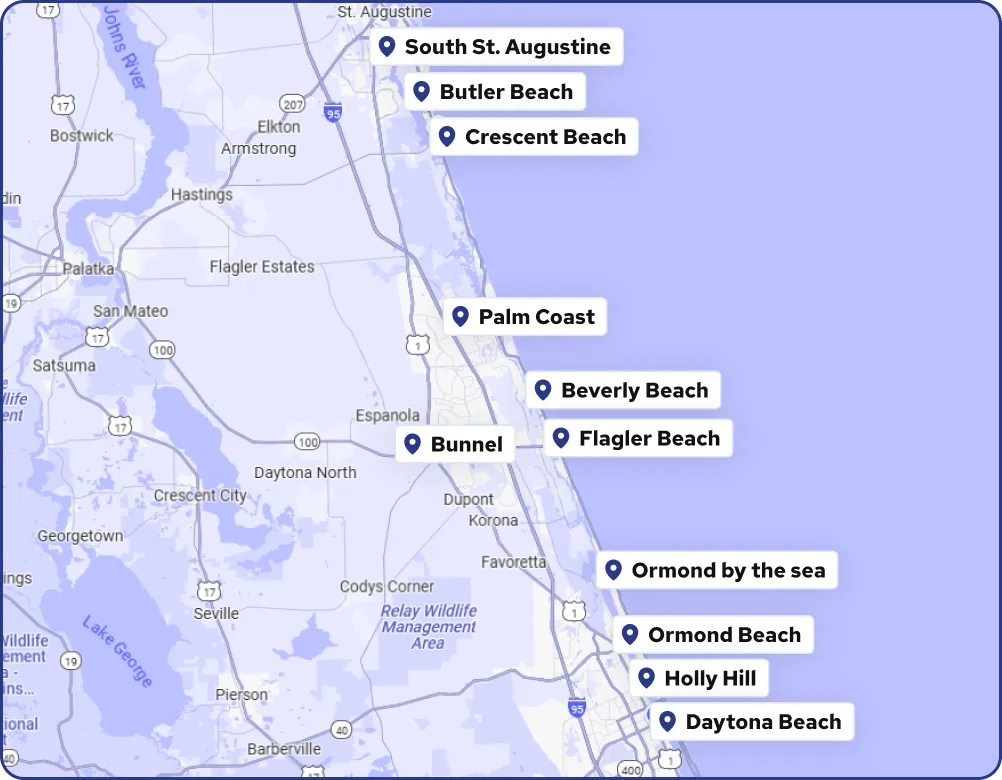
Operating a heating and cooling system in Holly Hill presents unique challenges compared to other parts of the country. The proximity to the Intracoastal Waterway and the Atlantic Ocean introduces salt spray into the air, which accelerates corrosion on outdoor condenser coils.
- Salt Air Protection:
When selecting a new unit, it is vital to consider models with coastal protection or epoxy-coated coils. Standard aluminum or copper coils can degrade rapidly in this environment, leading to refrigerant leaks.
- Humidity Management:
While the service is "heating," the system spends the majority of its life cooling and dehumidifying. Systems must be sized correctly according to Manual J calculations. An oversized unit will cool the house too quickly without removing humidity, leading to mold growth and discomfort.
- Hurricane Strapping:
Local building codes in Volusia County are strict regarding wind load. The outdoor unit must be anchored to the pad with specific tie-downs or brackets. Improper anchoring can result in code violations and insurance complications during a storm.
- Permitting and Inspection:
All HVAC replacements in Holly Hill require a building permit. This is a safeguard for the homeowner. A third-party county inspector will visit to verify that the electrical work, line sets, and wind anchoring meet safety standards. Professional installers handle this paperwork and coordination entirely.
- Heat Strips vs. Heat Pumps:
In this climate, the "emergency heat" or auxiliary heat strip is essential for the few nights a year temperatures drop near freezing. A proper installation ensures these electric strips are sized correctly to warm the house without overloading the electrical panel.
Why Professional Installation Matters
The longevity of a heating and cooling system is determined more by the quality of the installation than the brand of the equipment. A top-tier brand installed poorly will fail sooner than a budget brand installed perfectly.
Proper Sizing
Guesswork leads to inefficiency. Technicians perform load calculations based on the square footage, window direction, insulation levels, and local climate data. This ensures the unit runs long enough to dehumidify but has enough power to handle peak summer heat and winter chill.
Ductwork Integrity
A new system pushes air with more force than older models. If the existing ductwork has leaks, the new system will push conditioned air into the attic, wasting money. Professional installation includes an assessment of the distribution system to ensure the air reaches the living spaces.
Warranty Validation
Manufacturers require proof of professional installation to validate warranties. If a system is installed by an unlicensed contractor, the 10-year parts warranty is often voided immediately. Licensed professionals register the equipment on your behalf to ensure full coverage.
Securing Your Home Comfort
Choosing the right partner for your heating installation ensures that your home remains a sanctuary against the unpredictable elements. From the initial load calculation to the final permitted inspection, every step is designed to maximize efficiency and longevity. The goal is to provide a system that you do not have to think about—one that quietly maintains the perfect temperature year-round.
Don't let a failing system dictate your comfort or drain your wallet with inefficient operation. Secure a reliable, high-efficiency solution that stands up to the local climate.
Call Accu-Temp Heating and Air Conditioning today to schedule your system assessment.
Contact Us
Why Choose One Company for Everything?

Simplicity

Expertise

Savings
Service Areas