


Immediate Heating Repair Services – Ready When You Need Us
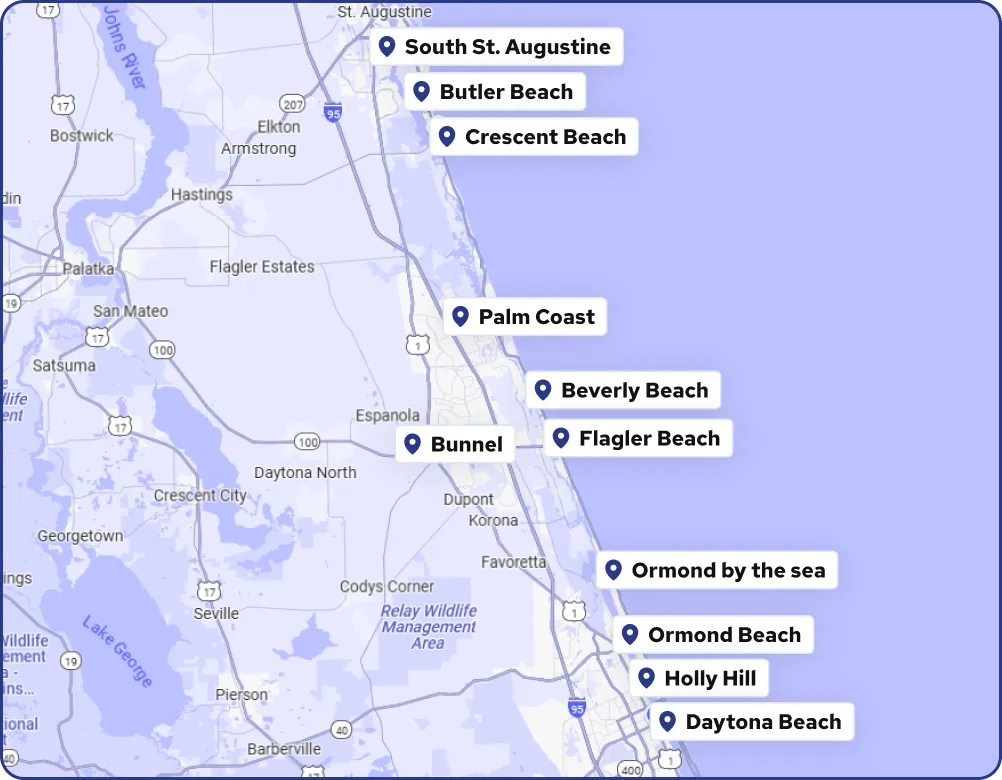
Caught off-guard by a malfunctioning heater during a humid spell in Crescent Beach? Contact us immediately to schedule a diagnostic visit or discuss financing options to restore your comfort. We understand that even in Florida, a sudden drop in temperature combined with high humidity makes a functional heating system a necessity, not a luxury. When your system fails, you need a partner who can assess the situation rapidly and implement a lasting fix.
- Rapid response with availability to address your heating concerns immediately.
- Expert service by certified technicians with a track record of excellence in diagnostics and repair.
- Transparent pricing and no hidden fees — get your estimate online today.
- All services fully licensed and compliant with local regulations, backed by a satisfaction guarantee.
Accu-Temp Heating and Air Conditioning provides professional intervention when your climate control system stops working. A broken heater in a coastal environment can lead to increased indoor humidity, discomfort, and potential air quality issues. Our team is prepared to handle the specific challenges posed by local weather patterns, ensuring your home returns to a comfortable baseline without unnecessary delays.
Critical Signs Your Heating System Requires Professional Attention
Recognizing the early warning signs of heating failure can prevent a minor component issue from escalating into a total system breakdown. In many cases, homeowners in Crescent Beach ignore subtle changes in their system's performance because the demand for heat is lower than in northern climates. However, neglecting these signals often results in higher energy bills and more expensive repairs later.
One of the most common indicators of trouble is short cycling. This occurs when your heating unit turns on and off frequently without reaching the set temperature on the thermostat. This behavior places immense strain on the compressor and the blower motor, leading to premature wear. Short cycling is often caused by restricted airflow, a malfunctioning thermostat, or safety switches tripping due to overheating. Addressing this immediately preserves the remaining life of the equipment.
Unusual noises are another definitive sign that internal components are failing. While a low hum is normal, distinct sounds indicate specific mechanical problems:
- Grinding or screeching sounds usually point to motor bearing failures or belt issues.
- Rattling often suggests loose panels or debris within the ductwork or air handler.
- Clicking or popping might indicate electrical contactor issues or thermal expansion in the heat exchanger.
Additionally, if you notice a distinct burning smell that persists past the first time you run the heat for the season, professional inspection is required. While "dust burn-off" is normal for the first hour of seasonal use, a lingering acrid odor could indicate melting wiring or an overheating motor.
Comprehensive Diagnostic and Repair Scope
When you request a service call, the objective is to accurately identify the root cause of the failure rather than simply swapping out parts until the unit works. Modern heating systems, particularly the heat pumps common in Florida, rely on a complex interplay of electrical, mechanical, and refrigerant systems. A thorough diagnostic process is the only way to ensure the repair is effective and safe.
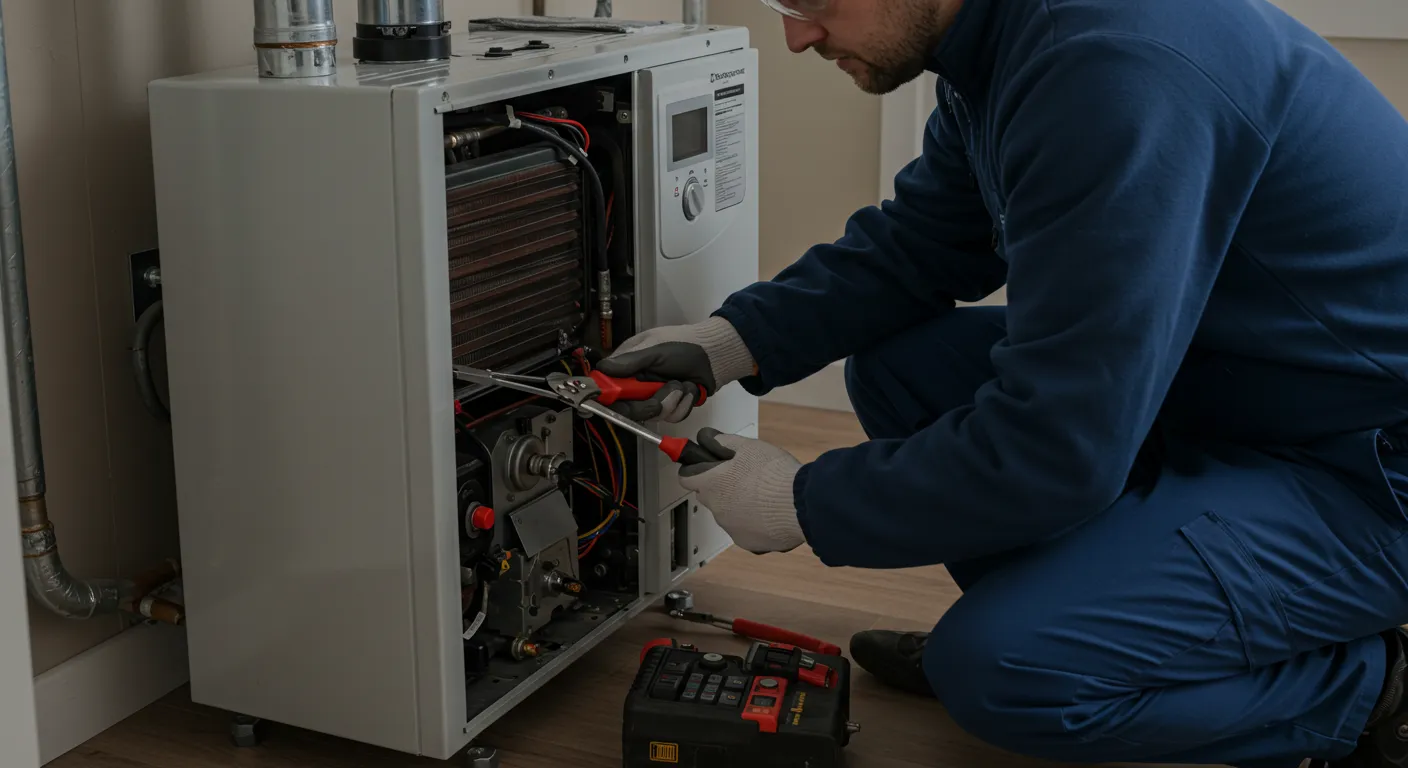
Upon arrival, a technician will perform a systematic evaluation of the entire heating envelope. This includes checking the thermostat calibration to ensure it is communicating correctly with the air handler and the outdoor unit. Electrical connections are inspected for tightness and corrosion—a critical step in coastal areas where salt air can degrade wiring.
The technician will also evaluate the airflow throughout the property. Restricted airflow is a leading cause of heating failure. This involves inspecting the air filter, the evaporator coil, and the blower wheel. If the system is a heat pump, the refrigerant levels and pressures are measured to ensure the unit can effectively transfer heat from the outside air into the home.
Specific repair tasks often performed during these visits include:
- Capacitor Replacement: Changing out start or run capacitors that have fallen out of tolerance, preventing the compressor or fans from engaging.
- Contactor Replacement: replacing pitted or fused electrical contactors that control voltage flow to high-amperage components.
- Sensor Calibration: Adjusting or replacing flame sensors (in gas units) or defrost sensors (in heat pumps) that prevent the unit from operating safely.
- Reversing Valve Service: For heat pumps, the reversing valve is responsible for switching between cooling and heating modes. If this valve sticks, the unit will not switch to heat.
The Operational Process: From Call to Comfort
Understanding the service workflow helps homeowners prepare for a repair visit. We prioritize efficiency and clarity throughout the engagement. The process is designed to minimize disruption to your daily routine while ensuring technical precision.
- First, the dispatch team confirms the appointment window and notifies you when the technician is en route to your property.
- Upon arrival, the technician will protect your workspace, wearing shoe covers and using drop cloths to keep the service area clean.
- Next, the technician conducts the diagnostic evaluation discussed previously, using specialized tools like multimeters and manometers to gather performance data.
- Once the issue is identified, you receive a clear explanation of the problem, the proposed solution, and a flat-rate price for the repair. No work begins without your approval.
- After approval, the repair is executed using OEM or high-quality aftermarket parts to ensure compatibility and longevity.
- Finally, the system is tested through a full operational cycle to verify that the repair holds and that the system is cycling correctly before the technician departs.
Repair vs. Replacement: Making the Financial Decision
A frequent dilemma for homeowners faces is determining when a heating system is no longer worth repairing. While our primary goal is to repair your existing equipment, there are mathematical and practical tipping points where replacement becomes the more prudent financial decision.
The 50% Rule
Industry standards suggest that if the cost of the repair approaches 50% of the value of a new system, replacement is generally the better option. This is particularly true if the equipment is out of warranty. Investing substantial capital into an aging asset often yields diminishing returns, as other components are likely to fail shortly after the initial repair.
Age of the Equipment
In the Crescent Beach area, the lifespan of HVAC equipment can be shorter than the national average due to salt air exposure. A heat pump or furnace that is over 10 to 12 years old is entering the end of its reliable service life. If a system in this age range requires a major component replacement—such as a compressor or a heat exchanger—it is often more cost-effective to redirect those funds toward a modern, high-efficiency unit.
Frequency of Breakdowns
If you have required multiple repairs within the last two years, the system is demonstrating chronic unreliability. "Nickel and diming" repairs can quickly exceed the monthly cost of financing a new system. A reliable system should not require service calls outside of routine annual maintenance.
Efficiency Considerations
Older systems often operate at much lower efficiency ratings (SEER and HSPF) compared to modern standards. If you have noticed a steady increase in your energy bills despite normal usage patterns, the equipment has likely lost its ability to heat the home efficiently. Replacing a 10-SEER unit with a modern 16-SEER or higher system can result in significant monthly energy savings that help offset the installation cost.
Local Considerations for Crescent Beach Homeowners
Operating a heating system in Crescent Beach presents unique challenges compared to inland locations. The coastal environment dictates specific maintenance and repair protocols that must be followed to ensure system longevity.
Salt Air Corrosion
The proximity to the ocean introduces salt spray into the air. Salt is highly corrosive to aluminum and copper, the primary metals used in HVAC condenser coils and fins. Over time, this corrosion eats away at the metal, leading to refrigerant leaks and reduced heat transfer capabilities. Repair services in this area often involve applying protective coatings or replacing coils that have succumbed to galvanic corrosion. Regular rinsing of the outdoor unit is recommended, but once corrosion sets in, professional repair is necessary.
Humidity Management
In this region, heating systems often run for short periods, while humidity remains high year-round. A properly functioning system not only heats the air but also helps manage indoor moisture levels. If a heater is oversized or short-cycling, it may satisfy the thermostat's temperature setting without running long enough to remove excess humidity. This can lead to a "clammy" feeling indoors and promote mold growth in ductwork. Diagnostics here often include checking humidity levels and adjusting blower speeds to optimize moisture removal.
Seasonal Idle Periods
Because winters are mild, heating components may sit idle for months at a time. This inactivity can cause issues when the system is finally engaged. Reversing valves may stick, and dust accumulation on electric heat strips can cause burning smells or fire hazards. The transition from cooling to heating is the most common time for system failure in Florida.
Permitting and Codes
Any significant repair involving the replacement of major components or system change-outs must comply with Florida Building Code. This ensures that the electrical loads are safe, the refrigerant handling follows environmental protocols, and the equipment meets hurricane wind-load ratings for outdoor anchoring.
Why Professional Service Matters
Attempting DIY repairs on modern heating equipment is dangerous and often voids manufacturer warranties. Heating systems operate using high-voltage electricity and, in the case of heat pumps, high-pressure refrigerant gases. Without proper training and tools, homeowners risk severe injury, electrical fires, or damaging the equipment beyond repair.
Professional technicians carry the necessary certifications to handle refrigerants legally and safely. They possess the schematic knowledge to trace low-voltage control shorts and the mechanical expertise to braze copper lines without causing leaks. Furthermore, professional service comes with liability insurance and labor warranties, providing a safety net that DIY efforts do not offer.
Choosing a specialized provider ensures that the correct parts are used. Universal parts often fail to meet the precise specifications of the original equipment manufacturer (OEM), leading to reduced efficiency or operational drifting. A professional truck is stocked with specific capacitors, relays, and sensors designed for the brands most common in the local market.
Secure Your Comfort and Safety Today
A functional heating system is essential for maintaining indoor air quality and comfort, specifically during the damp, cooler days that affect the coast. Delaying repairs can lead to compounded damage, higher restoration costs, and extended periods without heat. Whether you are dealing with a complete system failure, strange noises, or erratic performance, immediate professional assessment is the only way to resolve the issue permanently.
We focus on delivering accurate diagnostics and durable repairs that stand up to the local climate conditions. By addressing the root cause of the problem, we ensure your system operates safely and efficiently for the remainder of its lifespan.
Do not let a broken heater disrupt your home life or compromise your comfort. Contact Accu-Temp Heating and Air Conditioning to schedule your repair service and ensure your system is ready to perform when you need it most.
Contact Us
Why Choose One Company for Everything?

Simplicity

Expertise

Savings
Service Areas