




Is Your System Prepared for Unexpected Cold Snaps and Coastal Humidity?
Tired of the worry that your heat might fail during one of Ormond by the Sea’s chilly winter nights or leave you dealing with humidity issues? You need a reliable, quick response to ensure your system performs safely and efficiently without delay. Contact us today to schedule your comprehensive maintenance service or inquire about our flexible financing options.
- Get same-day, expert service from certified technicians.
- Transparent pricing with no hidden costs, guaranteed.
- Around-the-clock solutions to handle even the most urgent HVAC issues.
Fully compliant with local codes and offering competitive warranties and financing options.
Comprehensive Heating Tune-Ups: What to Expect Today
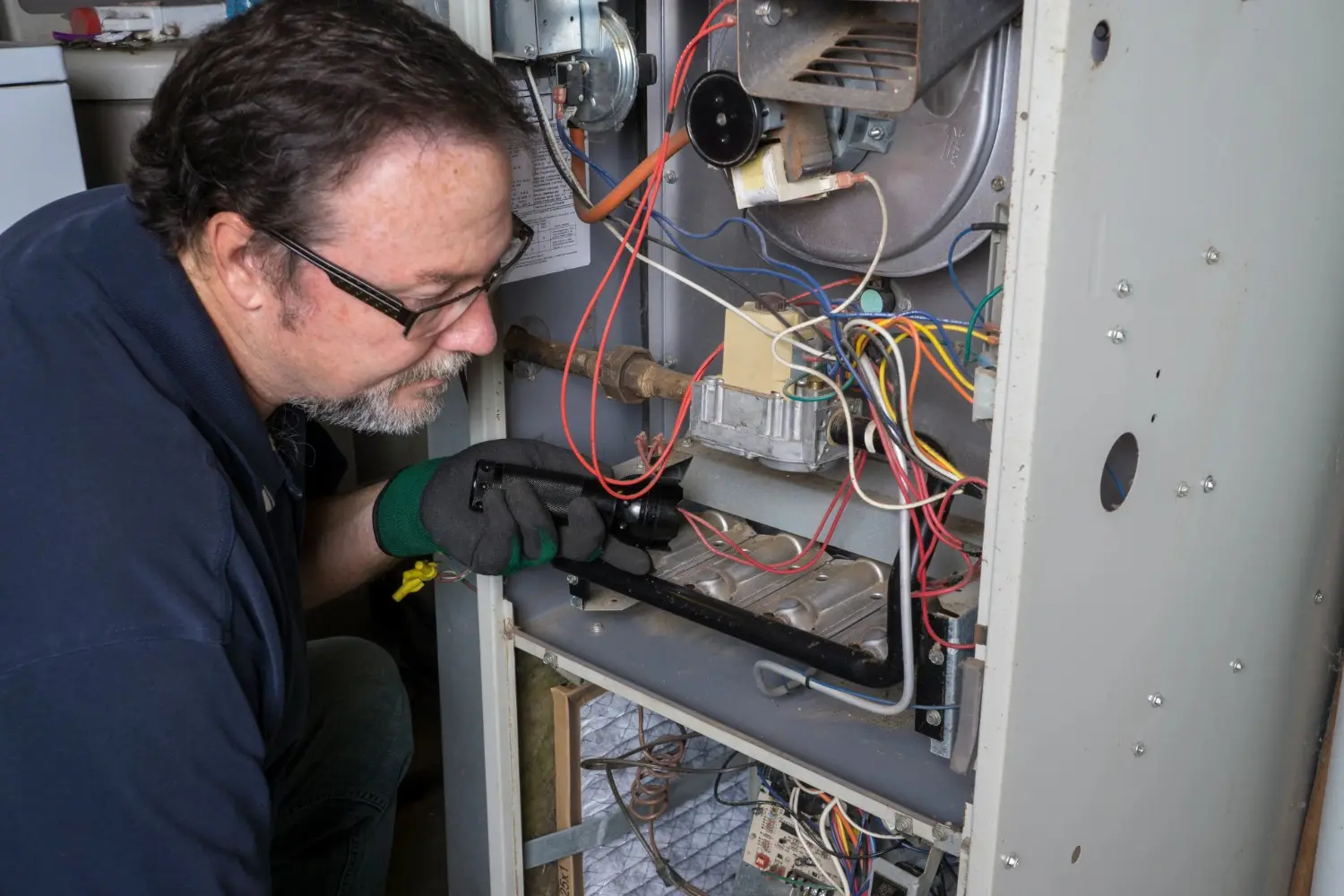
When you book a professional heating maintenance service, the objective is to ensure reliability before the temperature drops. In coastal Florida, heating systems often sit idle for months. This inactivity can lead to dust accumulation, dried-out components, and electrical issues that only reveal themselves when you switch the thermostat to "heat." A thorough tune-up addresses these dormant issues, ensuring your heat pump or furnace operates at peak efficiency.
The service scope goes far beyond a simple filter change. Certified technicians perform a deep analysis of the system’s mechanical and electrical integrity. In an environment like Ormond by the Sea, where salt air and humidity are constant factors, specific attention is paid to corrosion and moisture control. The goal is to identify small irregularities—such as a loose wire or a struggling capacitor—before they evolve into expensive emergency repairs in the middle of January.
Your maintenance visit typically includes a rigorous multi-point inspection. Technicians verify that the thermostat communicates correctly with the unit and that all safety limits are functioning. For heat pumps, which are common in this region, the reversing valve is tested to ensure it shifts seamless between cooling and heating modes. By the end of the visit, you receive a detailed report on the system's health, giving you peace of mind that your home will stay warm when necessary.
- Electrical Component Testing: Technicians tighten all electrical connections, measure voltage, and check amperage draws on motors to prevent overheating and electrical failure.
- Heat Pump Specifics: The reversing valve, defrost cycle, and refrigerant levels are meticulously checked to ensure the unit can extract heat effectively from the outside air.
- Auxiliary Heat Strip Inspection: For colder nights when the heat pump needs assistance, the electric heat strips are tested for continuity and proper engagement.
- Airflow and Blower Checks: The blower motor wheel is inspected for dust buildup, and the belt tension (if applicable) is adjusted to ensure optimal airflow and efficiency.
- Safety Control Verification: High-limit switches and safety interlocks are tested to guarantee the system shuts down properly if a dangerous condition arises.
The Maintenance Workflow: From Arrival to System Optimization
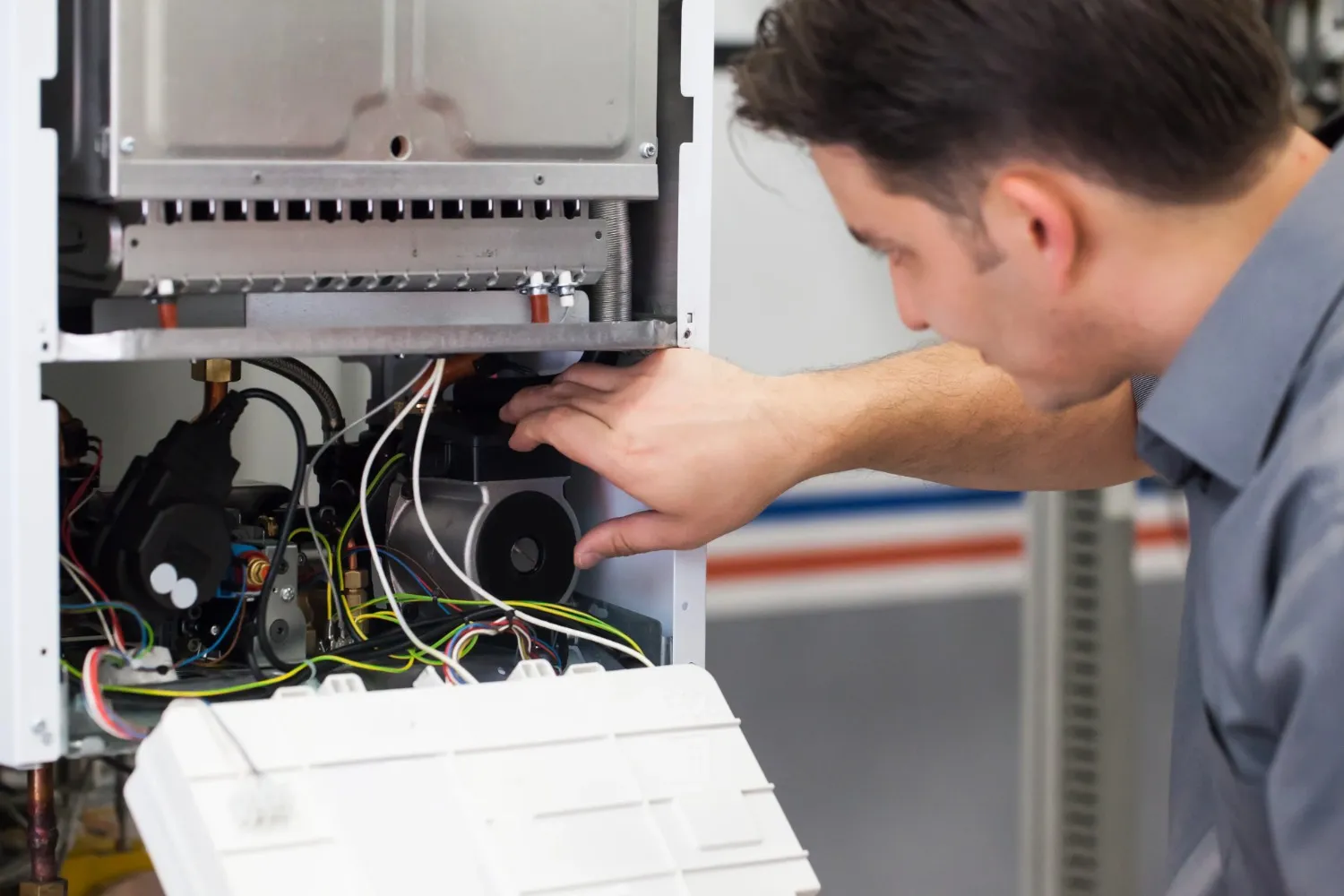
Understanding the process of a professional service call helps homeowners prepare and ensures transparency. The workflow is designed to be efficient, respectful of your property, and thorough. It begins with the arrival of a uniformed professional who is equipped with the diagnostic tools necessary for modern HVAC systems. Accu-Temp Heating and Air Conditioning prioritizes a structured approach to ensure no component is overlooked during the inspection.
First, the technician initiates a conversation to understand any specific concerns you have noticed, such as strange noises, uneven heating, or unexpected spikes in energy bills. This subjective data helps guide the diagnostic process. Following this, the technician performs a visual inspection of the indoor and outdoor units. This step identifies obvious signs of wear, physical damage, or environmental intrusion, such as debris in the outdoor condenser.
Next, the hands-on mechanical work begins. The power is safely disconnected to allow for the cleaning of coils and the tightening of electrical components. Sensors are calibrated, and moving parts are lubricated to reduce friction and wear. Once the cleaning and adjustments are complete, the system is powered back on for a full operational test. The technician monitors the system through a complete heating cycle to verify temperature split—the difference in temperature between the air entering and leaving the unit.
Finally, the service concludes with a clear explanation of the findings. You are provided with an assessment of the system's current condition and any recommendations for proactive repairs. This is not a sales pitch but a technical report based on data gathered during the visit. If the system is in good shape, you receive confirmation that you are ready for the season. If issues are found, you are given clear options for resolution.
Deciding Between Repair and Routine Maintenance
It is important to distinguish between a system that needs a tune-up and one that requires repair. Routine maintenance is preventative; it is performed on a working system to keep it that way. However, specific symptoms indicate that a system has already moved past the point of maintenance and requires immediate corrective action. Ignoring these signs can lead to total system failure.
One clear indicator of a need for repair is short cycling, where the heating unit turns on and off frequently without reaching the set temperature. This puts immense strain on the compressor and fan motors. Another red flag is the presence of unusual odors. While a slight "burning dust" smell is normal when the heat is turned on for the first time in months, persistent burning smells or musty odors suggest electrical issues or mold growth within the system.
Audible changes are also critical indicators. Grinding, squealing, or banging sounds suggest loose parts or bearing failures that a simple tune-up cannot fix. In these cases, specific components must be replaced. Furthermore, if you notice ice forming on your heat pump during the winter, the defrost cycle may be malfunctioning. Maintenance can prevent these issues, but once they manifest, diagnostic repair is required.
- Listen for Mechanics: Squealing indicates belt or bearing issues; rattling often points to loose panels or debris; clicking may indicate a failing starter relay.
- Check the Thermostat: If the system runs constantly but the temperature never rises, the heat pump may be low on refrigerant or the auxiliary heat is failing.
- Monitor Energy Bills: A sudden, unexplained spike in electrical usage often points to a system losing efficiency due to a failing component.
- Observe Airflow: Weak airflow from vents suggests a failing blower motor or a blockage in the ductwork that requires more than a standard filter change.
When System Replacement Beats Continued Repair
There comes a point in the lifecycle of every heating system where continuing to repair it is no longer financially prudent. For homeowners in Ormond by the Sea, the decision often hinges on the age of the unit and its exposure to the coastal environment. Heating systems in this area typically last 10 to 15 years. If your unit is approaching or has surpassed this age range, efficiency losses are likely significant.
A common industry standard for making this decision is the "50% Rule." If the cost of a necessary repair approaches 50% of the value of the system or the cost of a new unit, replacement is generally the wiser investment. Older units often operate with lower SEER (Seasonal Energy Efficiency Ratio) and HSPF (Heating Seasonal Performance Factor) ratings. upgrading to a modern, high-efficiency system can result in immediate utility savings that help offset the installation cost.
Additionally, component availability becomes a factor for aging systems. As manufacturers phase out older models, sourcing parts like compressor motors or specific control boards becomes difficult and expensive. If your system relies on older refrigerants that are now restricted or phased out, a refrigerant leak can render the unit obsolete instantly. Choosing to replace a failing system allows you to take advantage of newer technologies, such as variable-speed motors and smart thermostat integration, which offer superior comfort control.
- Frequency of Breakdowns: If you are calling for repairs more than once a season, the system has become a liability.
- Rising Energy Costs: Older systems work harder to produce the same amount of heat, driving up electricity bills gradually over time.
- Comfort Consistency: If some rooms are freezing while others are hot, or if the humidity is uncontrolled, the system is no longer sizing or distributing air correctly.
- Safety Concerns: For older systems with electric heat strips or gas furnaces, cracked heat exchangers or frayed wiring present legitimate safety hazards.
Local Factors: Managing Heating in a Coastal Environment
Operating HVAC equipment in Ormond by the Sea presents unique challenges compared to inland Florida. The proximity to the Atlantic Ocean introduces salt spray into the air, which is highly corrosive to metal components. The aluminum fins on condenser coils and copper refrigerant lines are particularly vulnerable. Without regular maintenance to rinse and protect these components, salt corrosion can lead to rapid deterioration and refrigerant leaks.
Humidity control is another critical local factor. While winters are generally mild, the transition periods in spring and fall can see high humidity levels even when temperatures are moderate. A well-maintained heat pump acts as a dehumidifier. If the system is dirty or short-cycling, it fails to remove moisture effectively, leading to clammy indoor conditions and potential mold growth in ductwork.
Permitting and local codes also play a role in how systems are serviced and replaced in Volusia County. Major repairs or replacements often require adherence to current hurricane codes regarding unit tie-downs and stand integrity. Professional service providers ensure that any significant work performed complies with these local regulations, protecting the homeowner from liability and ensuring the equipment is secure during storm season.
- Salt Shielding: Regular rinsing of the outdoor unit is essential to prevent galvanic corrosion between dissimilar metals in the coil.
- Drainage Maintenance: Algae and mold thrive in Florida’s humid environment; condensate drain lines must be cleared regularly to prevent water damage.
- Insulation Integrity: Ductwork in unconditioned attics can sweat if insulation is compromised, leading to water spots on ceilings.
- Pest Intrusion: During cooler months, small animals may seek warmth inside outdoor units; maintenance ensures guards and barriers are intact.
The Value of Certified Maintenance for Efficiency and Longevity
Investing in certified maintenance is an investment in the longevity of your home’s climate control system. Manufacturers of heating equipment often require proof of annual maintenance to keep warranties valid. If a major component fails and there is no record of professional care, the manufacturer may deny the warranty claim, leaving the homeowner with the full cost of the part.
Beyond warranty protection, certified maintenance ensures safety. Heating systems involve high-voltage electricity and, in some cases, high heat elements. Technicians trained in safety protocols minimize the risk of electrical fires or component burnouts. They verify that wire gauges are correct for the amperage draw and that breakers are sized appropriately.
Efficiency is the final, tangible benefit. A clean, tuned system moves air with less resistance and transfers heat more effectively. This means the system runs for shorter periods to achieve the desired temperature, reducing wear on motors and lowering monthly energy bills. Accu-Temp Heating and Air Conditioning focuses on restoring your system to factory specifications, ensuring that you get the performance you paid for when the system was installed.
- Extended Equipment Life: Routine care can add years to the operational life of a heat pump or furnace.
- Improved Air Quality: Cleaning coils and blowers reduces the circulation of dust, pollen, and mold spores.
- Warranty Compliance: Professional documentation serves as proof of care for manufacturer warranty requirements.
- Peace of Mind: Knowing your system has been inspected by a professional reduces the anxiety of potential mid-winter breakdowns.
Ensure your home remains comfortable and safe regardless of the weather. Don't wait for the first cold snap to discover a problem.
Take control of your home comfort today—schedule your professional heating inspection now.
Heating Maintenance That Extends Equipment Life
Routine service ensures your heating system operates without unexpected failures or performance issues. Accu-Temp Heating and Air Conditioning provides professional heating service & maintenance in Ormond-by-the-Sea, FL, inspecting all key components, adjusting settings, and cleaning internal parts to maintain optimal output. Prevent small issues from becoming costly repairs by keeping your system properly maintained year-round.
Book Your Heating Service and Maintenance Today
Contact Us
Why Choose One Company for Everything?

Simplicity

Expertise

Savings
Service Areas