


Is Your Cooling System Failing When You Need It Most?
Dealing with a malfunctioning air conditioner during Crescent Beach's humid summers can be more than uncomfortable; it can disrupt your whole day and threaten the safety of your home environment. When humidity levels rise and the heat index spikes, a breakdown requires immediate professional intervention to restore order and comfort. At Accu-Temp Heating and Air Conditioning, we provide rapid, reliable HVAC solutions that address your needs immediately. Contact us today or apply for financing to restore your comfort instantly.
- Get same-day service to ensure your comfort without delay.
- We offer industry-leading warranties for peace of mind on every repair.
- Fully licensed local experts ensure your HVAC system meets all Florida regulations.
All work is compliant with state codes and comes with comprehensive warranties.

Immediate Support – What We Offer Today
When your climate control system fails, you need a technical response that goes beyond a simple visual inspection. Our approach focuses on identifying the root cause of the failure rather than just treating the symptom. In the coastal environment of Crescent Beach, systems face unique stressors, including salt corrosion and extreme humidity, which dictate how we approach every service call.
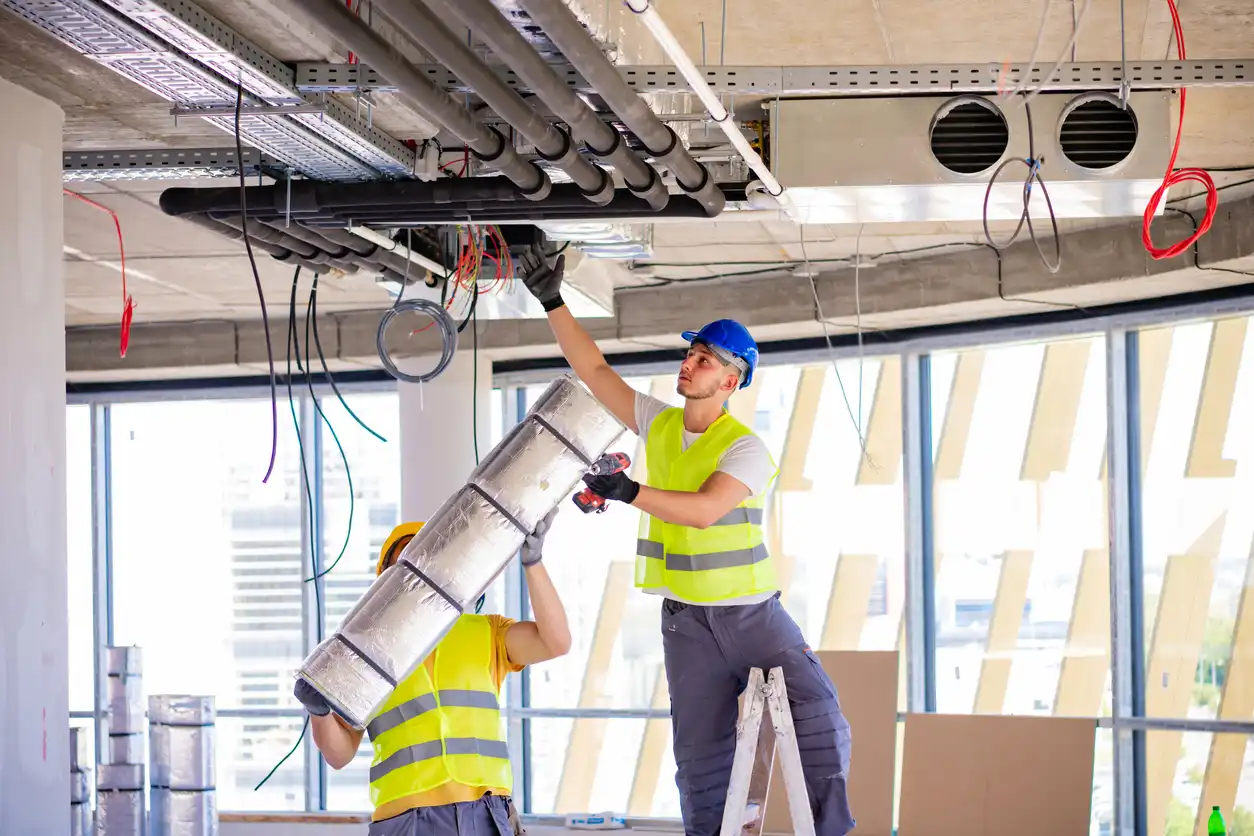
Comprehensive Diagnostics
We begin with a full system diagnostic. This is not a guess; it is a calculated assessment of your system’s pressures, temperatures, and electrical consumption. Our technicians utilize advanced gauging and metering tools to read superheat and subcooling levels, ensuring the refrigerant charge is exact. We inspect the electrical components, testing capacitors for microfarad ratings and checking contactors for pitting or burning. This thorough analysis allows us to pinpoint exactly why the system stopped cooling or why airflow has restricted.
Refrigerant Leak Detection and Repair
Low refrigerant levels are often a symptom of a leak, not just "usage" over time. Simply topping off a system is a temporary fix that wastes money and harms the environment. We employ electronic leak detectors and UV dye protocols to locate the breach in the coils or line sets. Once identified, we repair the leak, braze the line, and vacuum the system to remove non-condensables before recharging it to manufacturer specifications.
Airflow and Electrical Restoration
A frozen coil or a blower that refuses to engage often points to airflow restrictions or electrical failures. We examine the evaporator coil for biological growth or debris buildup that restricts heat transfer. Simultaneously, we test the blower motor’s amperage draw. If a motor is over-amping, it is a sign of imminent failure. We carry a wide inventory of universal and OEM parts to replace failed motors, capacitors, and relays on the spot, restoring airflow and cooling cycles immediately.
Condensate Drain Cleaning
In Florida’s high humidity, your AC unit pulls gallons of water out of the air daily. If the condensate drain line clogs with algae or sludge, it can trigger a safety float switch that shuts down your entire system to prevent water damage. We clear these blockages using high-pressure nitrogen or vacuum systems and treat the line to inhibit future growth, ensuring the system can dehumidify your home effectively — schedule maintenance today.
Our HVAC Installation and Replacement Process Explained
Installing a new HVAC system is a major construction project within your home that requires adherence to strict engineering standards. A replacement is not merely swapping one box for another; it involves integrating a new machine into your home's existing thermal envelope and ductwork system. We follow a rigorous protocol to ensure efficiency and longevity.
Load Calculation and Sizing
We do not guess the size of your new unit based on what was there before. Previous units are often oversized, leading to short-cycling and poor humidity control. We perform a Manual J load calculation. This engineering calculation considers the square footage, window direction, insulation values, and even the number of occupants in your home. This ensures the new unit is perfectly sized to cool the space while running long enough to remove humidity.
Site Preparation and Protection
Before any equipment is moved, we prepare the workspace to protect your property. Drop cloths are laid down, and safety pathways are established. We safely recover any existing refrigerant from the old unit according to EPA Section 608 guidelines, ensuring no harmful chemicals are released into the atmosphere. The old equipment is then disconnected and removed for proper recycling.
Ductwork Modification and Sealing
Modern high-efficiency systems often require larger airflow returns than older models. We inspect the existing ductwork and plenum (the air distribution box). If the existing plenum is undersized, we fabricate a transition to ensure the new blower motor does not suffer from high static pressure. We also seal connections with mastic to prevent air leakage, ensuring that the air you pay to cool actually reaches your living space.
Equipment Installation and Brazing
The indoor air handler and outdoor condenser are set in place. For the outdoor unit, we ensure it is level and elevated on a composite pad to protect it from standing water and debris. We braze the copper line sets using nitrogen purging. This critical step prevents oxidation inside the copper pipes; without nitrogen purging, black scale can form inside the lines and eventually clog the sensitive metering device of the new unit.
System Start-Up and Commissioning
Once the mechanical installation is complete, the system is not just turned on. It is commissioned. We pull a deep vacuum on the refrigerant lines to 500 microns to remove all moisture and air. After releasing the refrigerant, we fine-tune the charge based on the specific weather conditions of the day. We verify the airflow (CFM) and test the thermostat integration. Finally, we walk you through the operation of the new system and register all equipment for warranty purposes.
Is It Time for a Replacement? Understanding Your Options
Deciding between sinking money into a repair or investing in a new system is a financial calculation. We help you make this decision using objective data and industry-standard metrics rather than sales pressure.
The 5000 Rule
A common industry benchmark is the $5000 rule. Multiply the age of your equipment by the estimated cost of the repair. If the total exceeds $5,000, a replacement is generally the more improved financial option. For example, if you have a 12-year-old system and the repair is $500, the score is 6,000 ($500 x 12). In this scenario, the money is better spent on a new unit with a warranty rather than patching an aging system that is likely to break again soon.
Assessing Refrigerant Type
If your current system utilizes R-22 (Freon), you are dealing with an obsolete refrigerant. Production of R-22 has ceased, making it incredibly expensive to source. If an R-22 system develops a major leak or compressor failure, repairing it is rarely cost-effective. Modern systems use R-410A or newer refrigerants like R-454B, which are available, affordable, and environmentally compliant.
Energy Efficiency and Operating Costs
As systems age, their SEER (Seasonal Energy Efficiency Ratio) rating effectively drops due to wear and tear. A system installed 15 years ago might have been 10 SEER when new, but now operates much lower. Replacing it with a modern 15 or 18 SEER2 system can reduce energy consumption by 30% to 50%. If your energy bills in Crescent Beach have been steadily climbing despite normal usage, the equipment is likely losing its ability to transfer heat efficiently.
Frequency of Breakdowns
Reliability is a key factor. If you have required repairs more than once in the last two years, the system is entering a phase of diminishing returns. Compressors and motors have a finite lifespan. Once one major component fails, the stress often shifts to other aging parts, leading to a "domino effect" of expensive repairs.
Compliance and Permits: Navigating Local HVAC Regulations
Operating in St. Johns County involves specific regulatory requirements designed to protect homeowners and ensure safety. HVAC work is not unregulated; it involves high-voltage electricity, combustible gases, and structural modifications.
Mandatory Permitting
In Florida, replacing an HVAC system requires a building permit. This is non-negotiable for licensed contractors. The permit process ensures that a third-party county inspector reviews the installation to verify it meets code. This includes checking the wire size, the breaker size, the refrigerant line insulation, and the condensate drain termination. Skipping the permit process can lead to fines, issues when selling your home, and voided manufacturer warranties.
Hurricane Seasonality and Wind Loads
Given the location on the coast, equipment must be secured against high winds. Florida Building Code dictates specific tie-down requirements for outdoor condenser units. We utilize rated hurricane straps or heavy-duty anchors to secure the unit to the concrete pad. This prevents the unit from becoming a projectile during a storm and ensures the refrigerant lines do not rupture during high-wind events.
Coastal Corrosion Protection
The salt air in this region is highly corrosive to standard aluminum fins and copper tubing. Standard units can rot out in as little as five years if not properly protected. We recommend and install systems with factory-applied epoxy coatings or specialty coastal packages designed to withstand the saline environment. Additionally, we verify that all electrical connections are sealed against salt intrusion to prevent premature corrosion of the contactors and wiring.
SEER2 Standards
Recent Department of Energy regulations have updated efficiency standards, moving from SEER to SEER2. This new rating system more accurately reflects real-world conditions. All new installations must meet these higher efficiency minimums. We ensure that any equipment we quote and install is fully compliant with current federal and regional efficiency mandates, ensuring you avoid non-compliant inventory.
Why Accu-Temp Heating and Air Conditioning? Our Commitments to Quality and Community
Choosing a contractor is about trust and technical competence. You are inviting technicians into your private space to work on the most expensive appliance in your home. Accu-Temp Heating and Air Conditioning operates with a philosophy of transparency and technical excellence. We do not incentivize our technicians to upsell unnecessary parts; our goal is to solve the problem efficiently and correctly.
Technical Expertise
Our team undergoes continuous training to stay ahead of the rapidly evolving HVAC technology curve. From inverter-driven compressors to communicating thermostats, we understand the complexities of modern climate control. We use digital tools for precision, minimizing human error in diagnostics and charging.
Local Accountability
We are not a national chain with a disconnect from the local reality. We live and work in the same climate you do. We understand the specific challenges of humidity control in this region and how salt air affects machinery. Our reputation is built on long-term relationships with residents who rely on us for honest assessments and quality craftsmanship.
Warranty and Support
We stand behind our labor and the equipment we install. Manufacturer warranties cover parts, but we ensure that the labor execution honors those warranties. If an issue arises post-installation or post-repair, we return to make it right. Our support extends beyond the invoice; we are your partner in home comfort management for the lifespan of your system.
Call Us Now!
Secure your home comfort today with a team that prioritizes precision and reliability. Don't let the heat dictate your schedule. Contact us now to schedule your service or consultation.
Contact Us
Why Choose One Company for Everything?

Simplicity

Expertise

Savings
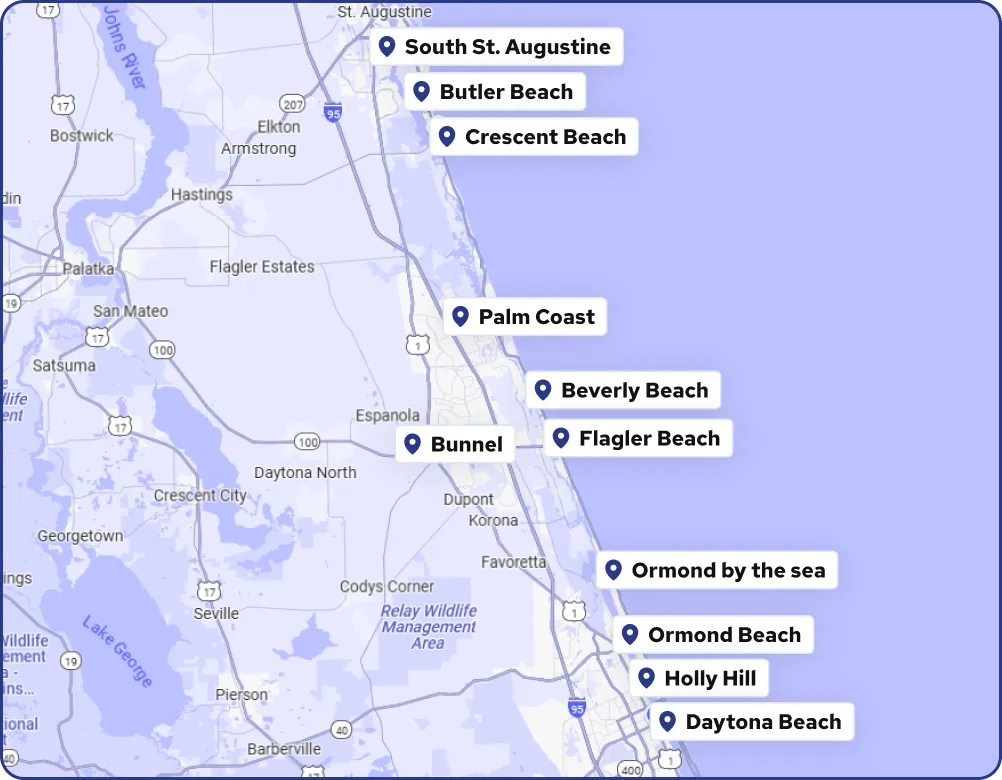
Service Areas