


Secure Consistent Comfort for Your Coastal Home
Is your cooling system failing to keep up with the oppressive humidity and heat common to Crescent Beach, FL? When your air conditioner stops working effectively, your home quickly transitions from a sanctuary to a stifling environment, putting your comfort and property at risk. Contact us immediately to schedule a comprehensive assessment or apply for financing options to restore your indoor climate today.
Homeowners in this region face distinct challenges due to salt air and high moisture levels, requiring robust solutions rather than temporary fixes. Accu-Temp Heating and Air Conditioning provides targeted installation and replacement services designed to handle the specific atmospheric demands of the Florida coast. We ensure your home remains cool, dry, and energy-efficient regardless of the outdoor forecast.
- Quick installation and replacement with same-day service availability to minimize downtime.
- Financing options to fit your budget and flexible warranty terms for long-term peace of mind.
- Energy-efficient systems that reduce monthly bills and qualify for local utility rebates.
All services are fully compliant with St. Johns County codes and backed by robust warranties and financing plans.
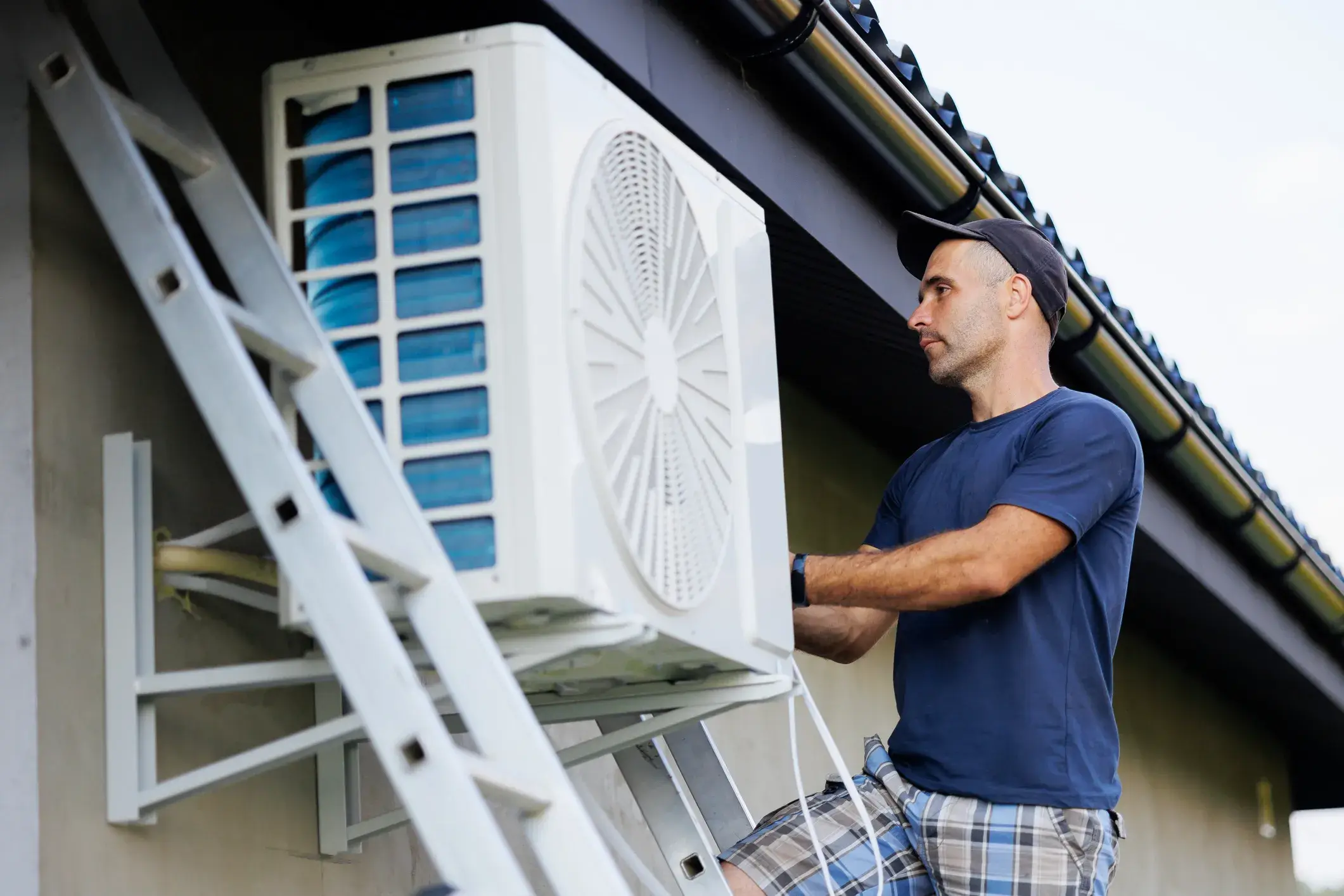
What to Expect From Professional HVAC Replacement
Choosing to replace a central heating and cooling system is a significant investment in your property’s infrastructure. The primary goal of a modern replacement service is to upgrade your home’s efficiency profile while eliminating the frequent breakdowns associated with aging equipment. You receive a comprehensive solution that goes beyond simply swapping out a box; it involves a holistic analysis of your home's thermal characteristics.
Modern equipment operates differently than units manufactured a decade ago. New systems, particularly those required to meet current SEER2 (Seasonal Energy Efficiency Ratio) standards, are physically larger to accommodate more surface area for heat exchange. This often requires modifications to the existing plenum or pad. A professional replacement includes the removal and environmentally safe disposal of your old unit, handling all refrigerants according to EPA regulations.
The scope of work generally covers the installation of the condenser (outdoor unit) and the air handler or furnace (indoor unit). It also includes a thorough inspection of the refrigerant lines, electrical connections, and the condensate drain line. If the existing copper lines are compatible and free of contaminants, they may be flushed and reused; however, replacement is often necessary to ensure the new refrigerant functions correctly without cross-contamination.
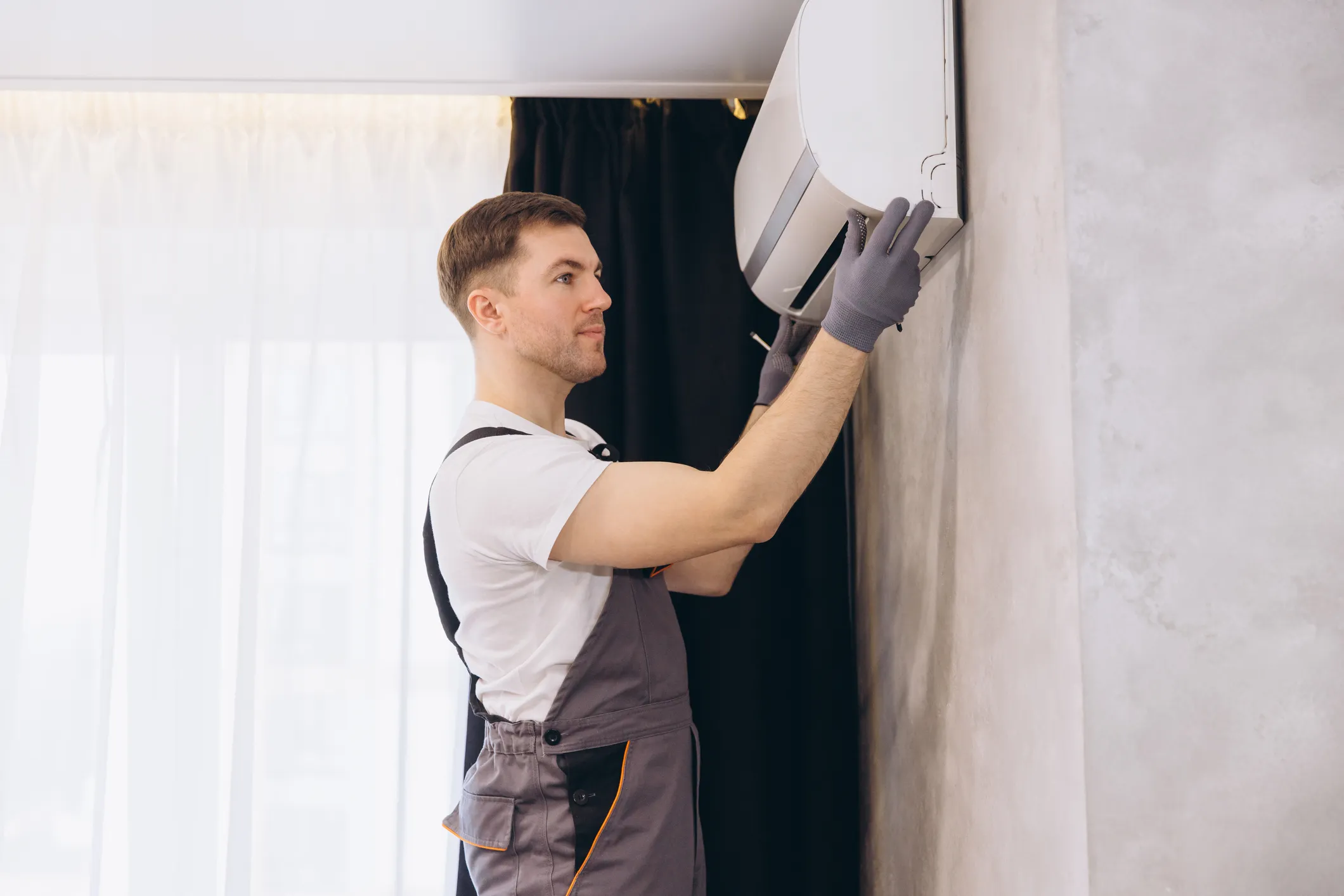
Our Step-by-Step Approach to HVAC Installation
A systematic approach ensures that your new system performs at its rated efficiency and provides the longevity you expect. We adhere to a rigorous process that minimizes disruption to your daily routine while adhering to strict technical standards.
- Load Calculation and Sizing: The process begins with a Manual J load calculation. This mathematical assessment considers the square footage, window direction, insulation levels, and local climate data of Crescent Beach. This ensures the unit is neither oversized (which causes short-cycling and poor humidity control) nor undersized (which runs continuously without reaching the set temperature).
- Site Preparation and Protection: Technicians prepare the workspace by laying down drop cloths and protective gear to shield your flooring and landscaping. Safety switches are turned off, and the electrical supply is disconnected to ensure a safe working environment.
- System Removal and Disposal: The old refrigerant is pumped down or recovered into approved cylinders. The existing equipment is disconnected from the ductwork and electrical supply, then carefully removed from the property. All debris associated with the removal is cleared away.
- Equipment Installation: The new air handler is positioned and sealed to the existing ductwork to prevent air leakage. The outdoor condenser is placed on a leveled pad—often a new hurricane-rated pad if the old one has deteriorated.
- Line Set and Electrical Connection: Copper refrigerant lines are brazed using nitrogen to prevent internal oxidation. High-voltage and low-voltage electrical lines are connected, and a new disconnect box is installed if required by code.
- Vacuum and Charge: A vacuum pump removes moisture and non-condensables from the lines. Once a deep vacuum is achieved, the system is charged with the precise amount of refrigerant specified by the manufacturer.
- Start-Up and Testing: The system is activated, and technicians measure static pressure, airflow, and temperature splits. This verification confirms that the system is operating within the manufacturer’s specifications.
Deciding Between HVAC Repair and Replacement
Determining whether to repair a faltering unit or invest in a new system is a critical decision for homeowners. While repairs may seem like a lower upfront cost, they can often lead to higher cumulative expenses if the unit is nearing the end of its service life.
- The 50% Rule: If the cost of the repair approaches 50% of the value of a new system, replacement is generally the more financially sound option. Investing heavily in a dying asset rarely yields a return on investment.
- Age of the Equipment: Heat pumps and air conditioners in coastal Florida typically last 10 to 12 years due to salt corrosion and heavy usage. If your unit is over 10 years old and requires a major component like a compressor or coil, replacement is recommended.
- Refrigerant Type: Older systems utilizing R-22 (Freon) are now obsolete. The cost to recharge these systems is exorbitant due to phased-out production. Upgrading to a system that uses R-410A or newer low-GWP refrigerants future-proofs your home.
- Rising Energy Bills: As components wear, motors and compressors draw more amperage to do the same amount of work. If your utility bills have spiked despite normal usage patterns, the system has likely lost its efficiency. Accu-Temp Heating and Air Conditioning can analyze your energy usage to help you determine if a high-efficiency replacement will pay for itself over time.
- Comfort Issues: Uneven cooling, hot spots in certain rooms, or an inability to maintain humidity levels below 50% are signs that the current system capability no longer matches the home’s needs — explore Daikin ductless solutions.
Local Guidelines and Seasonal Considerations
Operating an HVAC system in Crescent Beach requires adherence to specific regional guidelines and an understanding of the local environment. The combination of salt spray and high humidity creates a corrosive environment that accelerates the deterioration of standard equipment.
- Coastal Corrosion Protection: Standard aluminum fins and copper tubing can disintegrate rapidly when exposed to salt air. We recommend systems with specialized epoxy coatings or all-aluminum coils designed to withstand coastal conditions. This protection extends the lifespan of the condenser and maintains efficiency.
- Permitting and Inspections: HVAC replacements in this area require a permit from the local building department. This process ensures that the installation meets safety codes, wind load requirements for hurricane safety, and energy efficiency standards. A Notice of Commencement (NOC) may be required for jobs exceeding a certain value. We handle the permitting process and coordinate the required county inspection after installation.
- Utility Rebates and Incentives: Local utility providers, such as Duke Energy or FPUC, often offer rebates for upgrading to high-efficiency heat pumps or central air conditioners. These incentives are typically tied to the SEER2 rating of the new unit. Additionally, federal tax credits may be available for systems that meet specific energy criteria.
- Humidity Management: In this climate, removing moisture is just as important as lowering temperature. Modern variable-speed systems run for longer cycles at lower speeds, which pulls more moisture out of the air compared to single-stage units that blast cold air and shut off quickly. Proper humidity control prevents mold growth and protects wood furniture and flooring.
Technical Specifications and Efficiency Ratings
Understanding the technical ratings of your new system helps in selecting the right equipment for your needs. The industry has recently shifted to SEER2, EER2, and HSPF2 metrics, which reflect more rigorous testing conditions that better simulate real-world operations.
- SEER2 (Seasonal Energy Efficiency Ratio): This measures cooling efficiency over a typical cooling season. For Florida, federal regulations mandate a minimum SEER2 rating. Higher ratings indicate lower electrical consumption for the same amount of cooling.
- EER2 (Energy Efficiency Ratio): This measures the system’s efficiency at peak operating temperatures (95°F). In our hot climate, a high EER2 is crucial for maintaining performance during the hottest part of the afternoon.
- HSPF2 (Heating Seasonal Performance Factor): For heat pumps, this measures heating efficiency. While winters are mild, an efficient heat pump ensures affordable heating during January and February cold snaps.
- Variable Speed Compressors: Unlike standard compressors that only run at 100% capacity, variable speed units can modulate their output to match the precise cooling demand. This results in ultra-quiet operation, superior humidity removal, and significant energy savings.
Ensuring Long-Term Performance Through Proper Ductwork
Even the highest-rated HVAC system will fail if connected to compromised ductwork. The duct system is the respiratory system of your home, delivering conditioned air to every room. In many older homes, ducts may be undersized, leaky, or poorly insulated.
- Airflow Balancing: Proper airflow is essential for the longevity of the blower motor and compressor. We verify that the supply and return static pressures are within the design limits of the equipment.
- Duct Sealing: Leaking ducts can draw in hot, humid attic air or lose conditioned air to the outside. Sealing connections with mastic and utilizing proper insulation prevents energy loss and improves indoor air quality.
- Return Air Sizing: Starving a system of air by having insufficient return grilles is a common cause of premature compressor failure. We assess the return air capacity to ensure the system can "breathe" effortlessly.
Reliability and Warranty Coverage
When you invest in a new heating and cooling system, the warranty is your safety net. Manufacturer warranties typically cover parts for 10 years, provided the system is registered and maintained annually. However, these warranties usually do not cover labor.
Labor warranties are provided by the installation company. It is vital to understand the terms of your coverage. A strong labor warranty demonstrates confidence in the installation quality. Furthermore, neglecting annual maintenance can void manufacturer warranties. We provide clear documentation and maintenance plans to ensure your coverage remains valid throughout the life of the system.
With Accu-Temp Heating and Air Conditioning, you receive a partner dedicated to the operational integrity of your home’s climate control. We ensure that every aspect of the project, from the initial load calculation to the final code inspection, is executed with precision and transparency.
Call Us Now!
Don't wait for a total system breakdown in the middle of a heatwave. Secure your home’s comfort and efficiency today—schedule your HVAC consultation.
Contact Us
Why Choose One Company for Everything?

Simplicity

Expertise

Savings
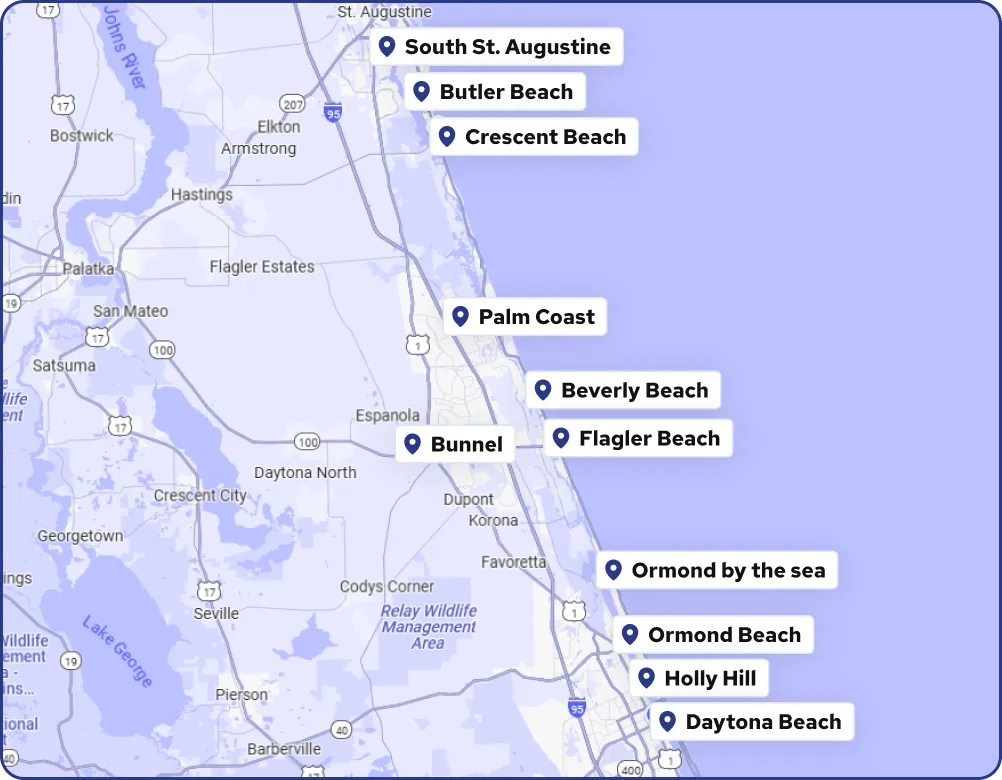
Service Areas