


Does your air conditioner struggle during Daytona's steamy summers? Let Accu-Temp Heating and Air Conditioning provide you with reliable, swift service that ensures your comfort. Contact us immediately to schedule a comprehensive system diagnostic or to discuss flexible financing options for a new installation.
- Guaranteed same-day service to address your urgent needs.
- Expert servicing by certified HVAC technicians.
- Comprehensive warranty on all repairs and installations.
Fully licensed and insured, ensuring compliance and peace of mind.
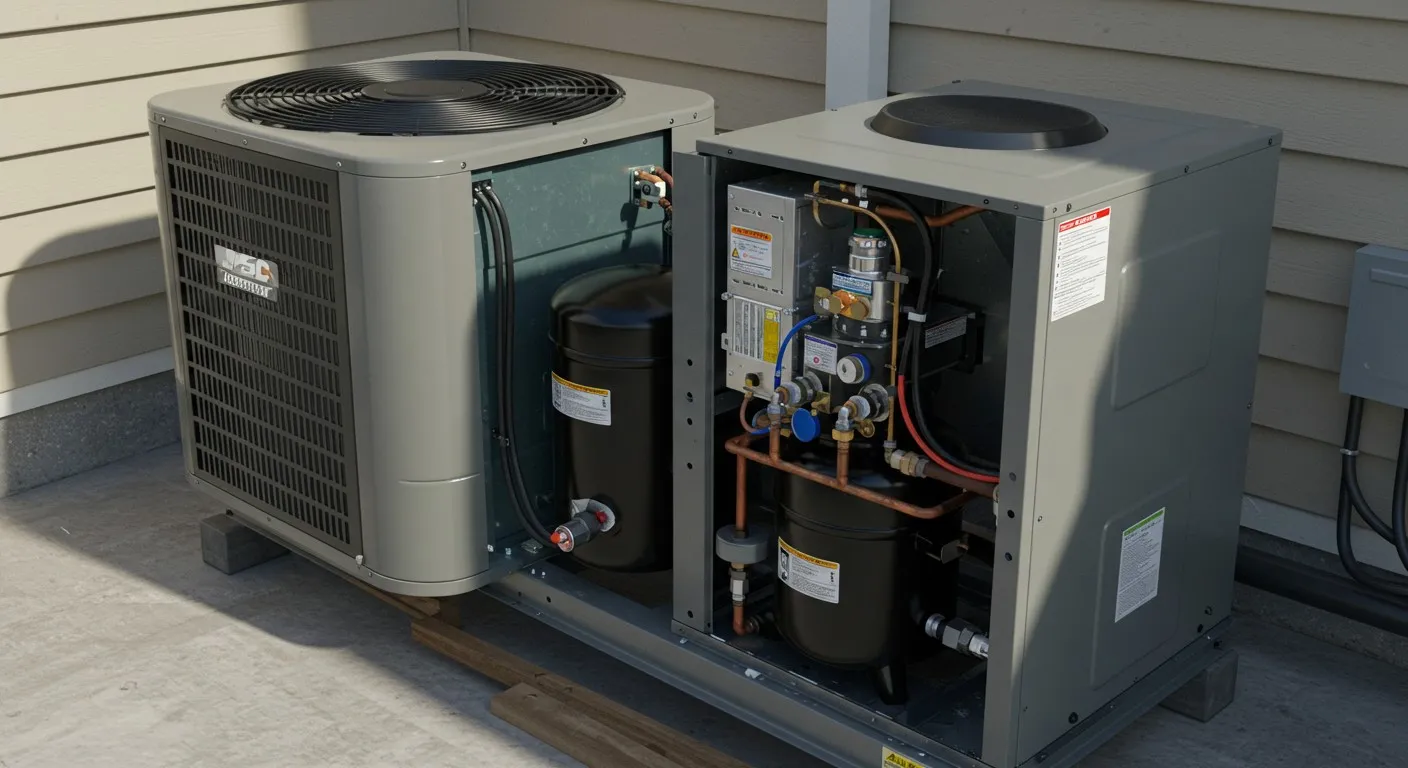
Comprehensive HVAC Services for Immediate Climate Control
When your cooling system fails in the middle of a Florida heatwave, the priority is restoring functionality quickly and correctly. A professional HVAC contractor does more than just swap out parts; the focus is on diagnosing the root cause of the inefficiency or failure to prevent recurring issues. In Daytona, where the wet season from June through September brings intense humidity, your system must do more than lower the temperature—it must also actively manage moisture levels to prevent mold growth and maintain indoor air quality.
Upon arrival, a technician performs a systematic evaluation of the entire heating and cooling infrastructure. This goes beyond checking the thermostat. The process involves inspecting the refrigerant levels to ensure there are no leaks, which can freeze the evaporator coil and halt cooling. Electrical components, such as capacitors and contactors, are tested for proper voltage and amperage. If these components are nearing the end of their lifecycle, they can cause the compressor to overheat or fail entirely.
The service scope generally covers:
- Precision Diagnostics: Utilizing advanced gauges and electrical meters to pinpoint exact failure points, whether they are mechanical, electrical, or airflow-related.
- Refrigerant Leak Detection and Recharge: Identifying leaks in the copper lines or coils and recharging the system with the appropriate refrigerant to manufacturer specifications.
- Airflow Optimization: Inspecting blower motors and clearing obstructions in the ductwork or filtration system to ensure air reaches every room evenly.
- Drainage clearing: Flushing condensate drain lines that frequently clog with algae and sediment during the humid months, preventing water damage to the home’s interior.
- Electrical Safety Inspections: Tightening loose connections and replacing worn wiring that could pose fire hazards or cause intermittent system tripping.
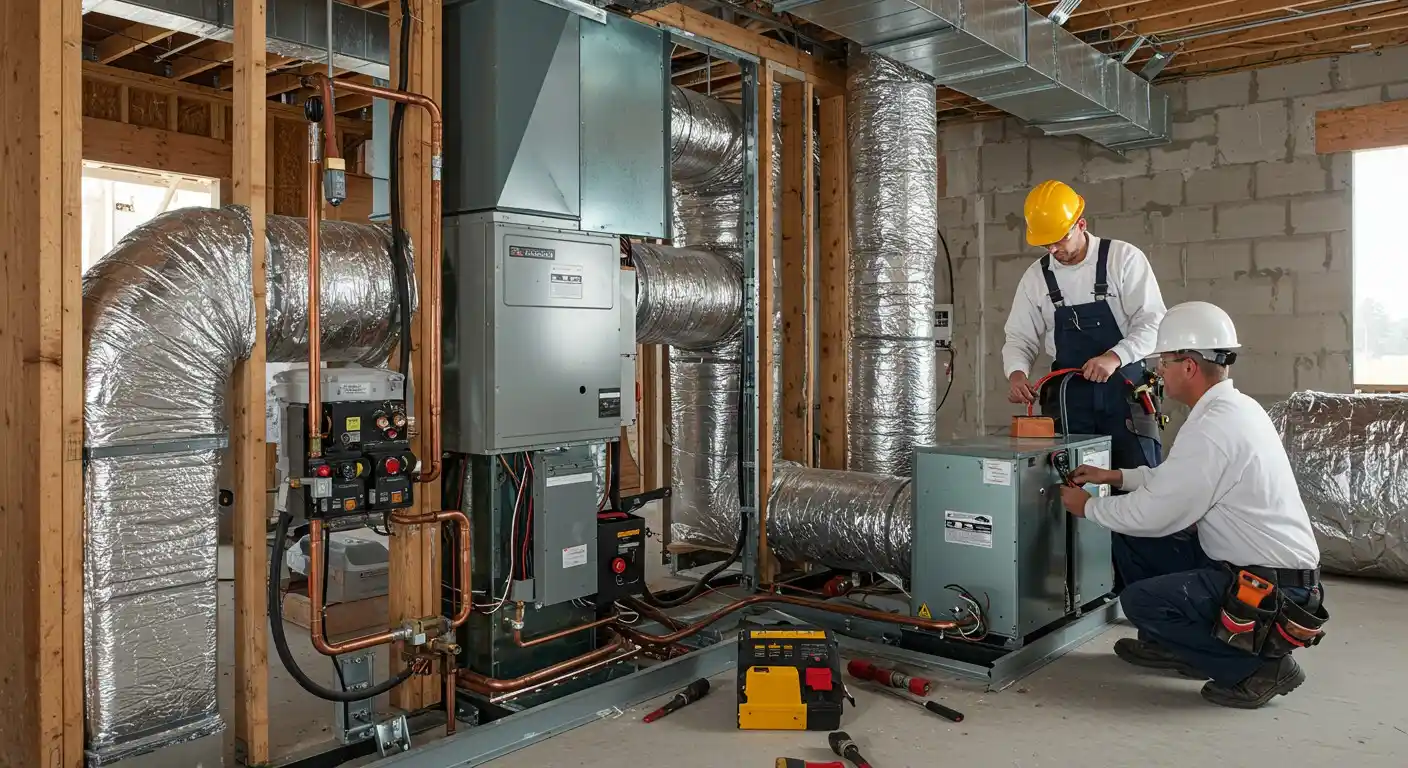
The System Replacement and Installation Process
There comes a point where a repair is no longer a viable financial option, and a full system replacement is necessary. The installation of a new central air conditioning system or heat pump is a complex construction project that requires strict adherence to technical standards. A proper installation dictates the efficiency, longevity, and noise level of the unit for its entire lifespan.
The process begins with a detailed load calculation. Guesswork regarding the size of the unit is unacceptable. If a unit is too large, it will "short cycle," turning on and off rapidly, which fails to remove humidity and wears out components. If it is too small, it will run continuously without ever reaching the desired temperature. Professional contractors use Manual J load calculations to determine the exact tonnage required based on the home's square footage, insulation levels, window orientation, and local Daytona climate data.
Once the correct unit is selected, the physical installation proceeds in a specific sequence:
- Site Protection and Removal: Technicians lay down protective coverings for flooring and furniture before disconnecting and removing the existing air handler and condenser.
- Ductwork Modification: Existing plenums and transition ducts are inspected and modified to fit the new, often larger, high-efficiency equipment. This ensures there are no air leaks reducing system pressure.
- Line Set Flushing or Replacement: The copper refrigerant lines connecting the indoor and outdoor units are either flushed to remove old oil and contaminants or replaced entirely to accommodate new refrigerants.
- Equipment Placement: The outdoor condenser is leveled on a composite pad to prevent sinking or vibration. In coastal areas, this often involves securing the unit with hurricane straps to meet code requirements.
- Brazing and Vacuuming: Refrigerant lines are brazed with nitrogen to prevent oxidation. A vacuum pump is then used to remove all moisture and air from the lines before releasing the refrigerant.
- Final Commissioning: The system is powered on, and technicians measure static pressure, temperature split (the difference between supply and return air), and amp draw to certify the system is running at peak factory performance.
Deciding Between Repair and Replacement
Homeowners often face the difficult decision of whether to invest in another repair or commit to a new system. This decision should be based on data and financial logic rather than emotional urgency. While a quick fix might seem attractive, an aging system in a salt-heavy environment may become a money pit.
One common industry standard used to aid this decision is the "50% Rule." If the cost of the repair approaches or exceeds 50% of the value of the system (or the cost of a new system), replacement is usually the smarter financial move. Additionally, the age of the equipment is a critical factor. In Florida, the lifespan of an AC unit is typically shorter than the national average due to the intense workload and salt air corrosion, often lasting only 10 to 12 years.
Consider the following factors when weighing your options:
- Frequency of Breakdowns: If you have required repairs more than once in the last year, the system is likely unreliable and approaching total failure.
- Energy Efficiency (SEER) Ratings: Older units often have a SEER rating of 10 or 12. Modern standards require higher efficiency (SEER2). Upgrading to a 15+ SEER system can significantly lower monthly utility bills, offsetting the installation cost over time.
- Refrigerant Type: If your system utilizes R-22 (Freon), which has been phased out, repair costs for refrigerant leaks will be exorbitant. Modern systems use environmentally friendly alternatives like R-410A or R-454B.
- Comfort Consistency: Uneven cooling, high humidity levels indoors, and excessive noise are signs that the mechanical components are worn beyond the point where a simple repair can restore factory-level performance.
Navigating Local Requirements and Coastal Challenges
Operating as an HVAC contractor in Daytona requires specific knowledge of local environmental challenges and regulatory codes. The proximity to the ocean introduces salt spray into the air, which is highly corrosive to standard aluminum and copper coils. Without proper protection, the fins on a condenser coil can disintegrate, leading to rapid loss of efficiency and premature failure.
Locally experienced contractors recommend and install equipment with specialized coastal coatings or all-aluminum coils designed to withstand the salt air. Furthermore, the high humidity levels require systems with superior dehumidification capabilities. Variable-speed air handlers and two-stage compressors are often recommended because they can run at lower speeds for longer periods, extracting more moisture from the air without overcooling the space.
Compliance with local building codes is also non-negotiable.
- Permitting: Major repairs and all replacements require a permit from the local building department. This ensures the installation meets safety standards.
- Hurricane Codes: Outdoor units must be anchored securely to withstand high wind loads associated with tropical storms and hurricanes common to the region.
- Float Switches: Local code dictates the installation of safety float switches in the drain pan. If the drain line clogs, these switches shut the unit off to prevent water from overflowing and damaging ceilings or floors.
- Electrical Standards: Wiring must meet current National Electric Code (NEC) standards, including proper disconnect boxes and wire sizing for the unit’s amperage.
Technical Expertise and Operational Standards
Selecting the right partner for your heating and cooling needs comes down to technical competency and operational transparency. The difference between a functional system and an optimal system lies in the details of the service. Accu-Temp Heating and Air Conditioning prioritizes a thorough approach that addresses not just the symptoms of a breakdown, but the overall health of the climate control system.
Technicians should be certified by organizations such as NATE (North American Technician Excellence), ensuring they have passed rigorous testing on real-world HVAC scenarios. This expertise allows for faster troubleshooting and more accurate repairs, reducing the time you spend without air conditioning.
When evaluating a service provider, look for:
- Detailed Written Estimates: Proposals should clearly outline the scope of work, model numbers of equipment, and labor costs. There should be no hidden fees for "shop supplies" or unexpected add-ons.
- Warranty Support: A reputable contractor handles the warranty registration for you and provides a labor warranty that backs their workmanship. If a part fails shortly after installation, the labor to replace it should be covered.
- Proper Tooling: Modern HVAC requires digital manifolds, micron gauges for vacuuming, and combustion analyzers. The use of proper tools ensures the system is calibrated to the manufacturer's exact specifications.
- Insurance and Liability: The provider must carry general liability and workers' compensation insurance to protect the homeowner from any liability in case of an accident on the property.
Restoring Comfort and Efficiency
Maintaining a comfortable indoor environment in Florida requires a proactive approach to heating and cooling. Whether you are dealing with a sudden breakdown, a leaking drain line, or an inefficient unit that drives up energy costs, professional intervention is the only way to ensure long-term resolution. Ignoring minor noises or temperature fluctuations often leads to catastrophic component failure, usually at the most inconvenient times.
By choosing a licensed and experienced contractor, you ensure that your home remains a sanctuary against the heat and humidity. From precise load calculations to corrosion-resistant installations, the goal is to provide a system that runs quietly, efficiently, and reliably for years to come. Trust Accu-Temp Heating and Air Conditioning to handle your climate control needs with the urgency and expertise your home deserves — schedule service today.
Secure your comfort today—contact us now to schedule your priority service appointment.
Contact Us
Why Choose One Company for Everything?

Simplicity

Expertise

Savings
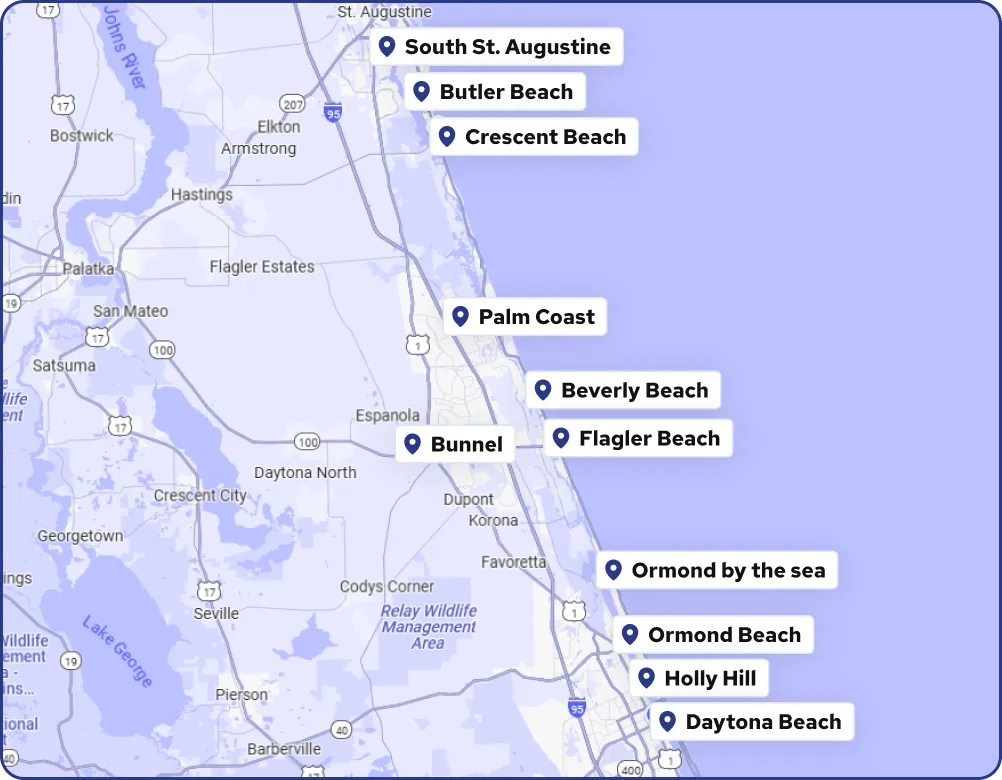
Service Areas