


Suffering From an Inefficient AC? Upgrade to Superior Comfort
Tired of the unbearable humidity and soaring energy bills every summer in Daytona? Experience the difference with our state-of-the-art HVAC installation and replacement services. Call us now to schedule your comprehensive system assessment.
- Immediate installation services to ensure comfort in any season.
- Customized solutions designed to reduce your energy costs.
- Financing options available to fit your budget needs.
All installations are compliant with local codes, fully warrantied, and financing ready.
Your Quick Fix to Climate Control Challenges
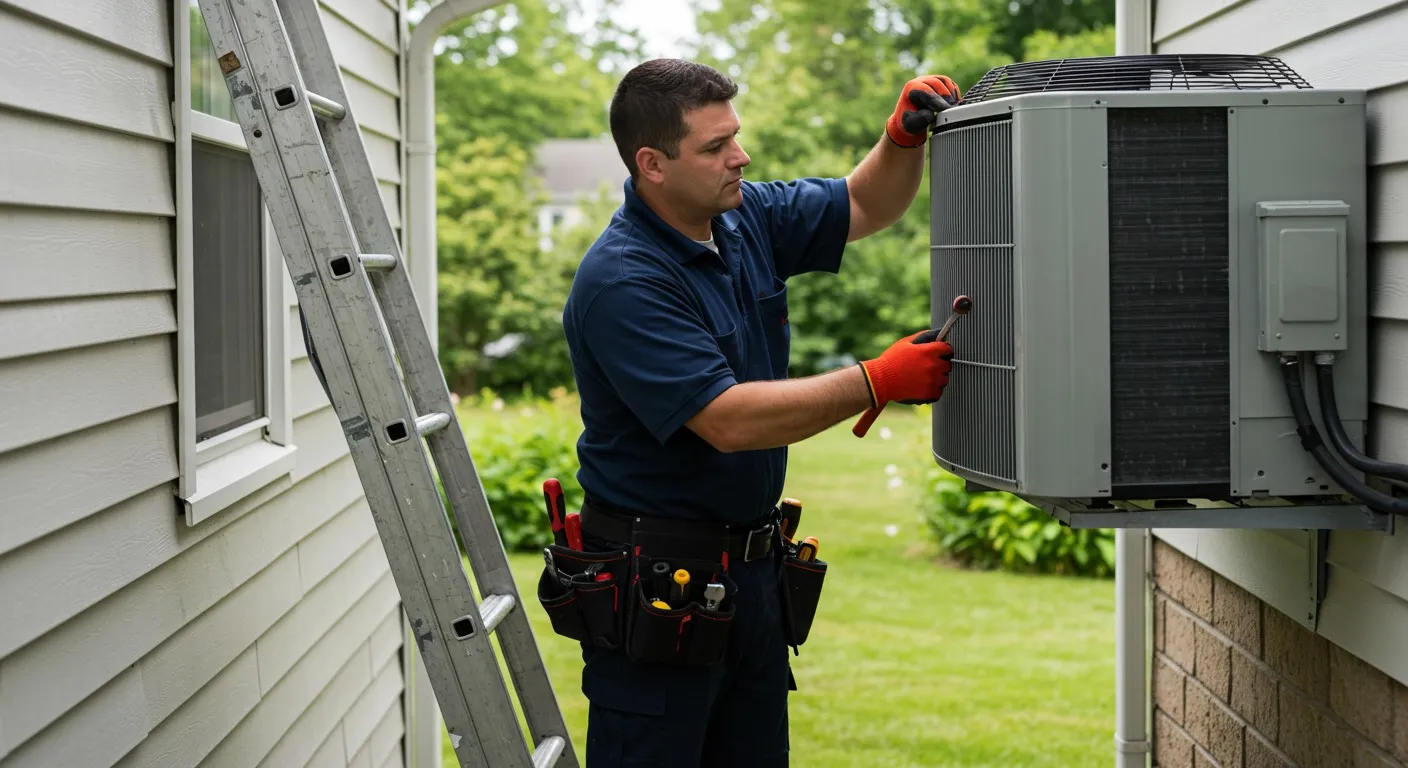
Living in Daytona means dealing with a humid subtropical climate where air conditioning is not a luxury; it is a necessity for health and home preservation. When a cooling system fails or operates inefficiently, the indoor environment degrades rapidly. Humidity levels spike, leading to discomfort, potential mold growth, and a sticky feeling that lingers on surfaces. Accu-Temp Heating and Air Conditioning provides the technical expertise required to combat these specific regional challenges through precise installation and replacement services.
An aging HVAC unit struggles to keep up with the intense heat loads common in Florida. You might notice the system running constantly without ever reaching the set temperature, or perhaps different rooms in the house remain unevenly cooled. These are signs that the equipment can no longer manage the sensible heat (temperature) and latent heat (humidity) effectively. Replacing an outdated unit resolves these issues immediately, restoring a balanced, cool, and dry indoor atmosphere.
Modern equipment offers capabilities that older systems simply cannot match. Variable-speed compressors and air handlers adjust their output in small increments, maintaining steady temperatures rather than blasting cold air and then shutting off. This technology is particularly effective in coastal areas like Daytona, where consistent dehumidification is critical. By upgrading, you gain control over your indoor climate, protecting your property from moisture damage and ensuring a restful environment regardless of the weather outside.
What to Expect: Transparency in Service and Cost
Investing in a new heating and cooling system involves more than just swapping out a box outside your home. It requires a detailed understanding of load calculations, ductwork integrity, and energy efficiency ratings. A professional approach ensures that the price you are quoted aligns with the value and performance delivered. Transparency in this phase eliminates the anxiety of hidden fees or unexpected structural modifications during the project.
The process begins with a Manual J load calculation. This industry-standard assessment determines the exact heating and cooling requirements of your specific structure. It accounts for square footage, window placement, insulation levels, and even the direction your home faces. Installing a unit that is too large causes "short-cycling," where the system turns on and off too frequently, failing to remove humidity. Conversely, a unit that is too small will run indefinitely, driving up electricity costs without cooling the space.
Understanding efficiency ratings is also part of the decision-making process. The Seasonal Energy Efficiency Ratio (SEER2) measures how efficiently a unit operates over a typical cooling season. Higher SEER2 ratings indicate lower energy consumption. While high-efficiency units may have a higher upfront cost, the reduction in monthly utility bills often offsets the difference quickly. Clear explanations of these metrics allow for an informed decision based on long-term savings rather than just immediate sticker price.
- Detailed Estimates: You receive a breakdown of equipment costs, labor, permits, and any necessary ductwork modifications.
- Efficiency Analysis: A comparison of different SEER2 options helps you visualize potential energy savings over the lifespan of the system.
- No Hidden Fees: The quote provided after the assessment is the final price, ensuring budget stability.
Installation Process: From Assessment to Enjoyment
A systematic approach to installation ensures that every component functions correctly from the moment the system is powered on. Improper installation can reduce system efficiency by up to 30%, regardless of how expensive the equipment is. The focus remains on technical precision, safety, and respect for your property throughout the timeline.
The removal of the old system is the first physical step. Technicians must pump down or recover existing refrigerants according to EPA regulations to prevent environmental contamination. Once the refrigerant is secured, the electrical disconnects are safely turned off, and the old condenser and air handler are disconnected. Care is taken to protect flooring and landscaping during the removal of heavy equipment.
Site preparation involves inspecting the "pad" where the outdoor unit sits. In Daytona, where sandy soil and heavy rains can cause shifting, ensuring a level and stable base is vital for the longevity of the compressor. Inside, the plenum and transition ductwork are inspected. If the new unit has different dimensions than the old one, custom sheet metal transitions are fabricated to ensure airtight connections. Air leaks at the unit connection are a primary cause of energy loss and are eliminated during this stage.
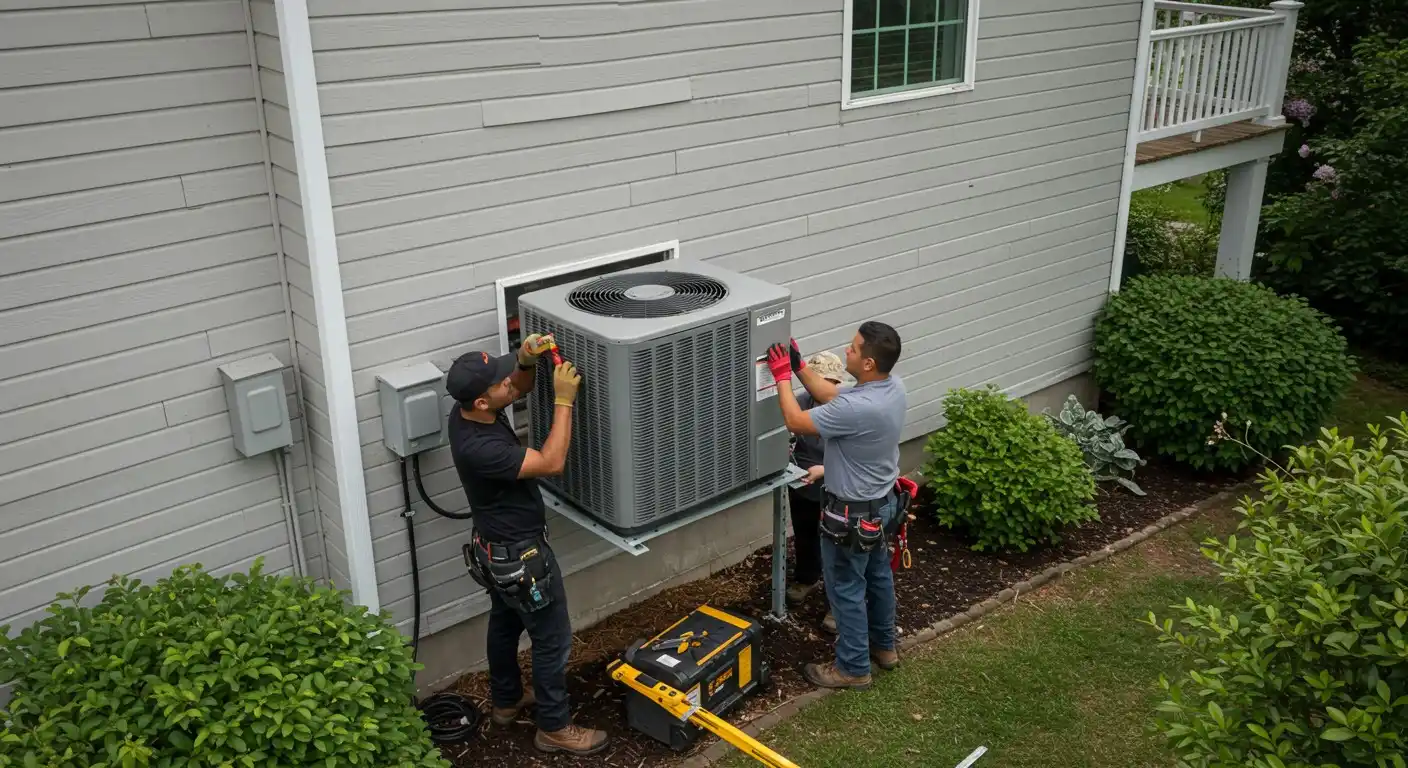
- System Placement: The new condenser and air handler are positioned and secured. In hurricane-prone areas, proper anchoring to local wind code standards is mandatory.
- Line Set Connection: Copper refrigerant lines are brazed using nitrogen purging. This prevents oxidation inside the pipes, which can clog the sensitive valves of modern high-efficiency units.
- Vacuum Testing: Before refrigerant is released, a vacuum pump removes all moisture and air from the lines. This is verified with a micron gauge to ensure a perfectly sealed and dry system.
- Final Commissioning: The system is charged with the precise amount of refrigerant. Static pressure tests are conducted to verify airflow, and temperature splits are measured to confirm cooling capacity.
Replacement vs. Repair: Making the Cost-Effective Choice
Determining whether to repair a faltering unit or invest in a replacement is a common dilemma. There is a mathematical approach to this decision that moves beyond guesswork. The "50% Rule" suggests that if the cost of the repair approaches 50% of the value of the system, replacement is the smarter financial move. However, other factors such as age, refrigerant type, and frequency of breakdowns play a significant role.
Age is a primary determinant. Systems in Florida typically last 10 to 15 years due to the heavy workload and salt air exposure. If a unit is over 10 years old and requires a major component like a compressor or blower motor, putting money into repairs is often a temporary fix. The efficiency of a 10-year-old unit is significantly lower than modern standards. Moving from a 10 SEER unit to a 16 SEER2 unit can reduce cooling costs by a substantial margin, effectively paying for the replacement over time.
Refrigerant availability is another critical factor. Older systems utilize R-22 Freon, which has been phased out due to environmental regulations. Supplies of R-22 are dwindling, making it exponentially expensive to refill a leaking system. Modern systems use R-410A or newer, more eco-friendly refrigerants that are readily available and affordable. Continuing to repair an R-22 system is often throwing good money after bad.
- Rising Energy Bills: If utility costs are creeping up despite normal usage, the system’s internal components are likely wearing out and losing efficiency.
- Frequent Breakdowns: Needing multiple repairs in a single year indicates a system at the end of its useful life.
- Uneven Temperatures: If some rooms are freezing while others are hot, the system likely lacks the capacity or airflow control to manage the home’s load.
- Noise Levels: excessive grinding, rattling, or squealing usually points to severe mechanical failure imminent in the motor or compressor.
Compliant and Efficient: Local Regulations and Rebate Savings
Operating within the specific regulatory framework of Volusia County is a non-negotiable aspect of professional installation. Local building codes are strict regarding wind resistance and electrical safety. Pulling the proper permits is not just a formality; it is a verification that the work meets safety standards and protects the homeowner’s insurance validity. An unpermitted installation can lead to fines, difficulties in selling the home later, and coverage denial in the event of storm damage.
Accu-Temp Heating and Air Conditioning handles the permitting process entirely. This includes submitting the required engineering documents that prove the equipment is anchored correctly to withstand hurricane-force winds. The stand, the pad, and the strapping must all meet specific wind load ratings. This attention to compliance ensures that the investment is secure and the home is safe during the storm season.
Beyond compliance, the focus shifts to financial incentives. High-efficiency systems often qualify for federal tax credits under the Inflation Reduction Act (IRA) and local utility rebates. These programs are designed to offset the upfront cost of installing green technology. To qualify, equipment must meet specific SEER2 and EER2 thresholds. Navigating these requirements can be complex, but professional installers provide the necessary AHRI certificates and documentation to claim these savings.
- Permit Acquisition: All paperwork filed with local municipalities to ensure legality.
- Code Compliance: Electrical connections, drain lines, and hurricane strapping meet all current Florida Building Code requirements.
- Rebate Documentation: Provision of verified efficiency certificates required for federal tax credits and power company rebates.
Service Highlights: Why Daytona Homeowners Choose Professional Installation
The distinction between a functional system and an exceptional one lies in the details of the service. In a coastal environment, equipment is constantly under attack from salt spray and humidity. Standard installations often fail prematurely because they do not account for these corrosive elements. Professional service includes proactive measures such as recommending coastal-grade equipment or applying protective coatings to the condenser coils to extend the life of the unit.
Reliability is paramount when the heat index climbs. A professional installation includes a guarantee of workmanship. If a drain line leaks or a wire connection loosens shortly after installation, a reputable provider returns to correct the issue at no cost. This warranty on labor stands alongside the manufacturer’s warranty on parts, creating a double layer of protection for the homeowner. It shifts the risk away from the buyer and places the responsibility on the installer to get it right the first time.
Furthermore, proper airflow balancing is a service highlight that transforms comfort. Simply hooking up a new machine to old, leaky ducts usually results in poor performance. A holistic approach involves inspecting the ductwork for leaks, kinks, or disconnects. Ensuring that the supply and return air are balanced prevents negative pressure, which can pull hot, humid air from the attic into the living space. This level of detail ensures that the new system delivers the promised efficiency and comfort.
- Coastal Protection Strategies: Recommendations for equipment and coatings that resist salt corrosion.
- Labor Warranties: Guarantees that cover the quality of the installation work, not just the machinery.
- Ductwork Inspection: Verification that the air distribution system is intact and capable of handling the new unit’s airflow.
- Post-Installation Support: Guidance on thermostat operation, filter changing schedules, and maintenance plans.
Secure Your Comfort and Efficiency Today
Delaying an HVAC replacement in a climate like Daytona’s can lead to unnecessary discomfort and wasted money on inefficient operation. A modern, properly installed system provides immediate relief from the heat, superior humidity control, and lower monthly energy expenses. By choosing a professional installation that prioritizes code compliance, load calculation, and long-term reliability, you protect your home and your wallet.
Accu-Temp Heating and Air Conditioning is ready to help you transition to a more comfortable and efficient home environment. Contact us immediately to discuss your installation options and secure your new system.
Contact Us
Why Choose One Company for Everything?

Simplicity

Expertise

Savings
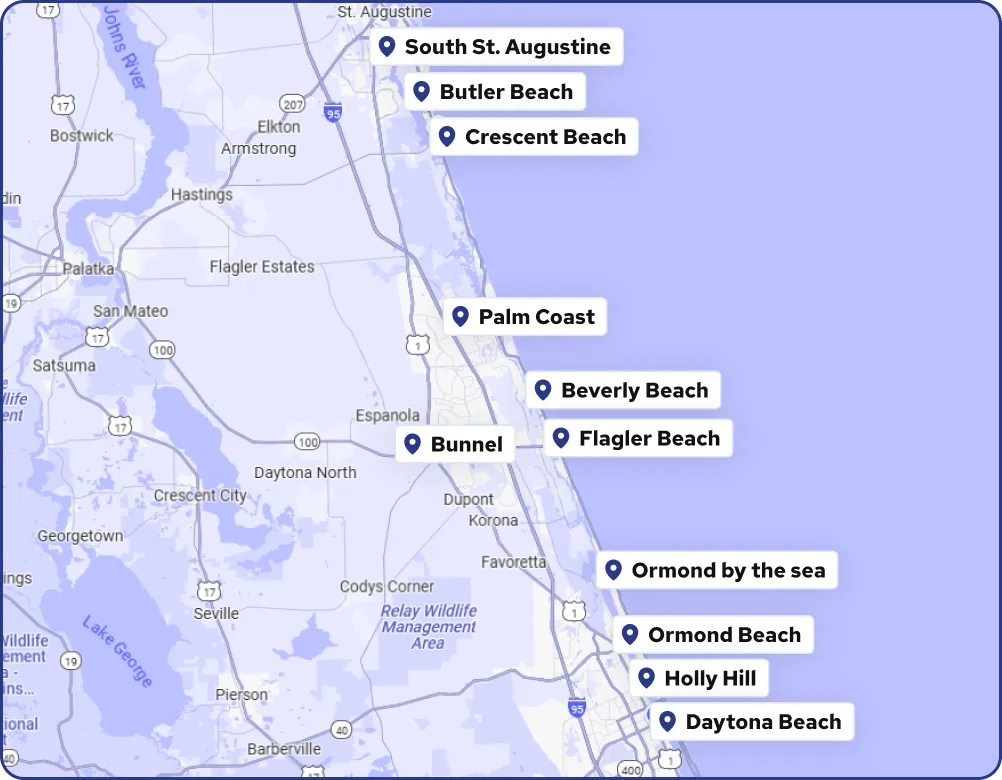
Service Areas