



Facing Indoor Air Quality Challenges?
Dealing with consistently high humidity in Crescent Beach can degrade your home’s air quality, leading to discomfort and potential health issues. Call us immediately to schedule a comprehensive air quality evaluation and solution proposal. Discover professional IAQ solutions tailored to combat mold, allergens, and other airborne contaminants that thrive in our coastal environment.
- Rapidly improve your air quality with advanced air purification systems.
- Reduce health risks with our certified mold and allergen control services.
- Enjoy a fresher home environment, regardless of the season.
All services are fully compliant with Florida building standards and come with comprehensive warranties.
Comprehensive Air Quality Management Solutions
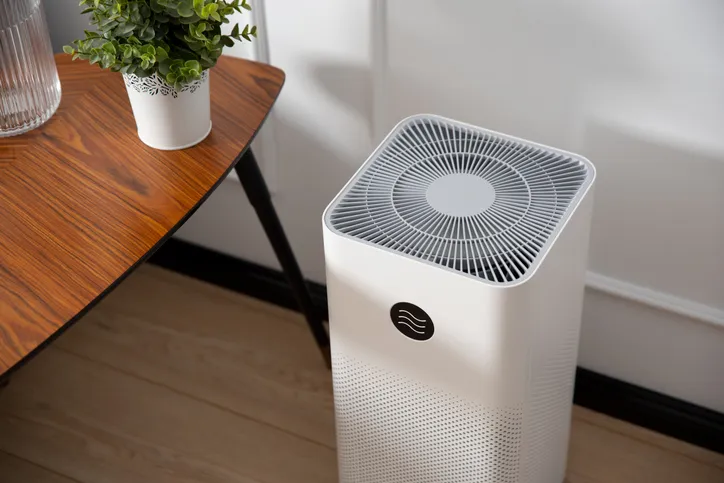
Achieving a healthy indoor environment requires more than standard temperature control. Modern homes are built to be airtight for energy efficiency, but this often traps pollutants, moisture, and stale air inside. The solution lies in a multi-faceted approach that targets specific contaminants ranging from particulate matter to biological growth and chemical vapors. Homeowners in Crescent Beach, FL, face unique challenges due to the specific climate, requiring equipment capable of handling heavy moisture loads and salt-laden air.
Accu-Temp Heating and Air Conditioning provides a suite of integrated solutions designed to work alongside your existing HVAC infrastructure to purify, dehumidify, and ventilate your living space.
Whole-Home Dehumidification Systems
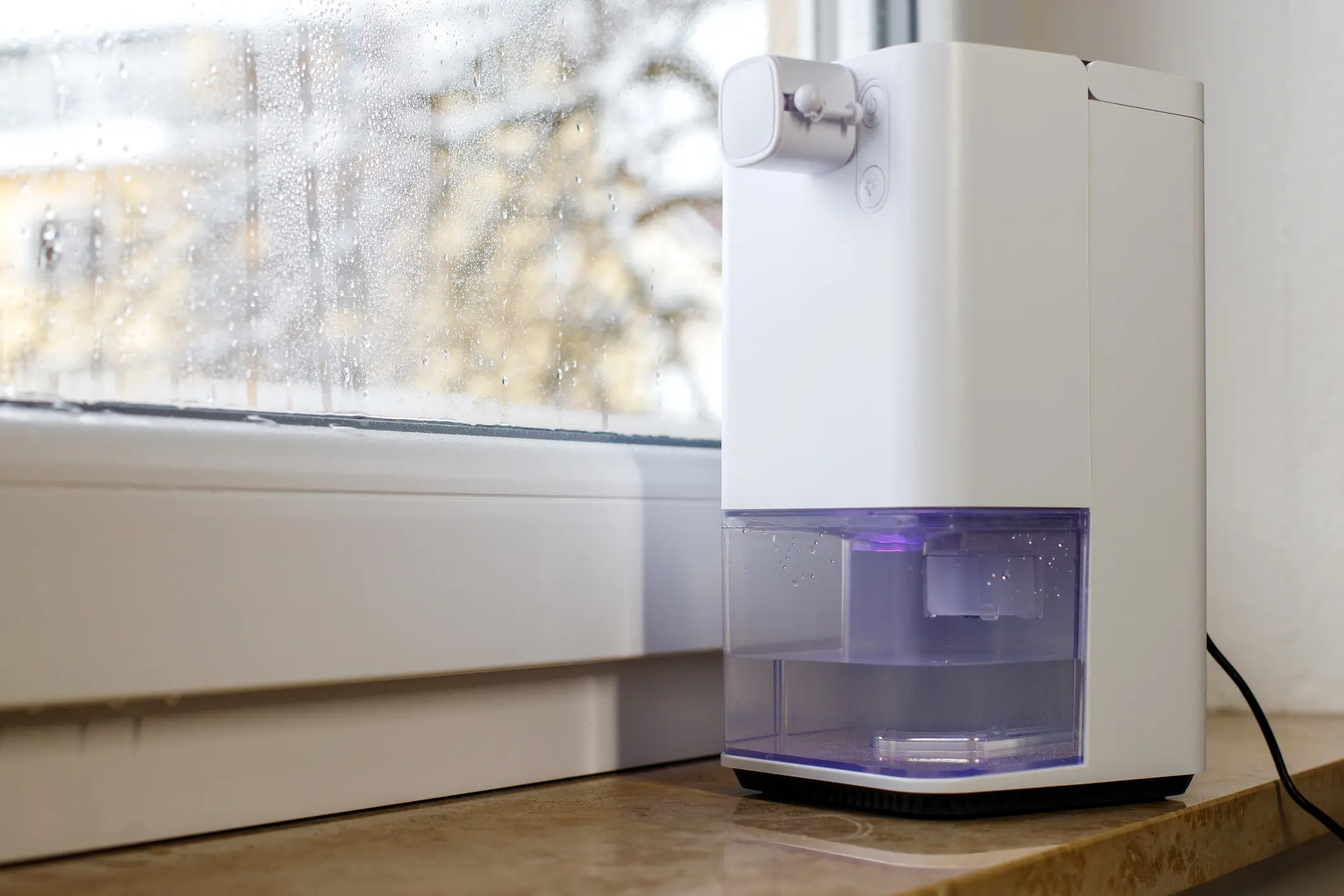
In coastal Florida, high humidity is the primary antagonist to indoor air quality. When indoor humidity exceeds 60%, it creates an ideal breeding ground for dust mites and mold spores. While a standard air conditioner removes some moisture, its primary job is cooling. A dedicated whole-home dehumidifier works independently of the cooling cycle to maintain relative humidity levels between 45% and 55%.
- Removes gallons of excess moisture daily without over-cooling the home.
- Prevents the "clammy" feeling often associated with high humidity.
- Protects wood flooring, cabinetry, and drywall from warping or rot.
- Inhibits the growth of biological contaminants that require moisture to survive.
UV Germicidal Irradiation (UVGI)
Biological growth often occurs where it is least visible: on the indoor evaporator coil of your HVAC system. This area is dark and damp, making it a prime location for mold and bacteria. UV-C lights are installed directly inside the ductwork or near the coil to scramble the DNA of microorganisms, rendering them unable to reproduce.
- Sterilizes coils to improve system efficiency and airflow.
- Neutralizes airborne bacteria and viruses as they pass through the central system.
- Reduces musty odors associated with "dirty sock syndrome" in heat pumps.
- operates continuously to provide 24/7 protection against biological agents.
High-Efficiency Filtration and Media Air Cleaners
Standard one-inch fiberglass filters are designed to protect the equipment, not the occupants. They catch large dust bunnies but allow microscopic particles to pass through. Upgrading to thick-media air cleaners or HEPA-style filtration captures significantly smaller particulates.
- Traps pet dander, pollen, soot, and fine dust particles.
- Extends the lifespan of the HVAC equipment by keeping internal components cleaner.
- Reduces the frequency of dusting required within the living space.
- Provides relief for occupants with respiratory sensitivities.
Energy Recovery Ventilators (ERVs)
Ventilation is essential for diluting the concentration of indoor pollutants. However, opening a window in Florida often introduces heat and humidity. An Energy Recovery Ventilator exchanges stale indoor air for fresh outdoor air while transferring heat and moisture energy. This allows for fresh air intake without overburdening the air conditioner.
- Exhausts cooking odors, chemical fumes (VOCs), and stale air.
- Pre-conditions incoming air to reduce energy loss.
- Balances indoor air pressure.
The Assessment and Installation Process
Implementing the correct IAQ strategy begins with accurate data. Guesswork in air quality often leads to ineffective results, such as installing a filter that is too restrictive for the ductwork or a dehumidifier that is undersized for the square footage. The process follows a strict technical protocol to ensure the chosen solution resolves the root cause of the contamination.
Diagnostic Testing and Evaluation
Technicians utilize advanced diagnostic tools to measure the current state of the indoor atmosphere. This goes beyond a simple visual inspection.
- Laser particle counters measure the density of airborne particulates in various micron sizes.
- Hygrometers assess relative humidity levels in different zones of the home to identify moisture pockets.
- Static pressure tests ensure the duct system can support high-efficiency filtration without restricting airflow.
- Visual inspection of ductwork checks for leakage, disconnects, or internal biological growth.
System Design and Selection
Once the data is collected, a solution is engineered to fit the specific envelope of the home.
- Equipment is sized based on the total volume of air and the specific pollutant load.
- Integration points are identified to ensure seamless operation with the current central heating and cooling system.
- Control strategies are determined, such as integrating the IAQ device into the main thermostat or installing dedicated controllers.
Professional Implementation
Installation involves precise mechanical and electrical work to ensure safety and code compliance.
- Technicians cut and seal ductwork to install air purifiers or bypass ducts for dehumidifiers.
- Electrical circuits are run to power new units, adhering to all local safety codes.
- Drain lines are installed for dehumidification units to ensure proper condensate removal.
- All duct connections are mastic-sealed to prevent air leakage and ensure 100% of the air passes through the treatment system.
Verification and Calibration
The job is not complete upon installation. Post-installation verification ensures the equipment is delivering the promised results.
- Systems are cycled to verify proper startup and shutdown sequences.
- Airflow is measured again to confirm that static pressure remains within manufacturer specifications.
- Controls are programmed to the user’s preference, setting automated schedules for ventilation or humidity control.
Deciding Between Repair, Duct Cleaning, or Equipment Replacement
Homeowners often struggle to determine whether their air quality issues stem from dirty components that need cleaning or a fundamental deficiency in the system that requires an upgrade. Understanding the lifecycle and limitations of existing equipment is key to making a cost-effective decision.
When to Clean or Repair
In some instances, poor air quality is the result of deferred maintenance rather than a lack of equipment.
- Duct Cleaning: If the ductwork is structurally sound but contains accumulated dust or construction debris, professional cleaning may restore air quality. This is valid if the source of the dust (leaks) has been sealed.
- Coil Cleaning: If the evaporator coil is impacted by dust, a chemical cleaning can improve airflow and reduce biological growth potential.
- Filter Housing Repair: If the filter rack is loose or damaged, allowing air to bypass the filter, repairing the housing to create an airtight seal is often sufficient.
When to Install New IAQ Equipment
Cleaning and repairs cannot change the fundamental capabilities of the system. If the problem is inherent to the environment or the system design, new equipment is necessary.
- Persistent Humidity: If the AC unit is functioning perfectly but humidity remains above 60%, cleaning will not help. A whole-home dehumidifier is the only mechanical solution to remove the latent heat load effectively.
- Microscopic Allergens: If occupants suffer from allergies to particles smaller than 3 microns (smoke, virus carriers, bacteria), standard filters and cleaning are ineffective. Electronic air cleaners or UVGI systems are required to target these contaminants.
- Chemical Odors/VOCs: Cleaning ducts does not remove volatile organic compounds off-gassed by furniture, paint, or cleaning supplies. Air scrubbers with activated carbon or photocatalytic oxidation technology are required to neutralize these chemicals.
When to Replace the HVAC System
Sometimes, the IAQ issue is a symptom of a failing HVAC unit.
- Oversized Units: If an AC unit is too large for the home, it will cool the space too quickly (short-cycling) and shut off before it can remove humidity. In this case, replacing the AC with a correctly sized, variable-speed unit is the most effective way to fix both temperature and moisture issues.
- Old Ductwork: If ductwork is composed of deteriorating ductboard or has extensive rodent damage, cleaning is impossible and sealing is ineffective. Complete duct replacement is the only way to ensure the air remains clean as it travels to the vents.
Navigating Local Climate and Building Standards
The coastal environment of Crescent Beach introduces specific variables that impact how indoor air quality systems must be designed and maintained. Unlike drier inland climates, the pervasive moisture and salt aerosol in the air here require robust solutions.
Managing High Latent Heat Loads
The "latent heat load" refers to the energy required to remove moisture from the air. In this region, the latent load is exceptionally high. Standard air conditioners are designed primarily for "sensible heat" (temperature) removal. Without specific attention to humidity control, homes can become cool but clammy, promoting mold growth on drywall and fabrics. Systems installed here must be calibrated to prioritize moisture removal, often requiring lower airflow settings or the addition of dedicated dehumidification.
Corrosion and Material Durability
Salt air accelerates corrosion on all metal surfaces. This includes the delicate fins of air purifiers and the coils of dehumidifiers. Equipment selected for this area should feature corrosion-resistant coatings or be constructed from materials designed to withstand coastal exposure. Regular maintenance becomes critical to rinse off salt deposits that can lead to premature failure of IAQ devices.
Ventilation and Building Codes
Florida building codes have become increasingly strict regarding energy efficiency, leading to tighter building envelopes. While this saves electricity, it eliminates natural ventilation. Local codes may require mechanical ventilation (like ERVs) in new construction or significant renovations to ensure adequate fresh air exchange rates are met (measured in Air Changes per Hour or ACH). Compliance ensures that the home remains safe from the buildup of carbon dioxide and indoor pollutants.
Seasonality Considerations
While summer is the peak season for humidity, the mild winters also present IAQ challenges. During "shoulder seasons" when neither heating nor cooling is required, systems may sit idle. Without air circulation, pollutants settle and humidity can creep up. IAQ systems that operate independently of the thermostat—such as standalone dehumidifiers or circulating fans with air scrubbers—are essential for maintaining air quality during these transitional months.
Why Homeowners Prioritize Professional Air Quality Management
Investing in indoor air quality is an investment in the long-term health of the home and its occupants. The difference between a store-bought portable unit and a professionally installed whole-home system is significant in terms of coverage, noise levels, and efficacy.
Targeted Contaminant Control
Generic solutions often fail because they apply a "one-size-fits-all" approach. Professional services begin with identifying the enemy—whether it is biological growth, particulate matter, or chemical vapors. By matching the technology (UV, Carbon, HEPA) to the specific pollutant, the results are measurable and lasting.
Integration and Convenience
Portable units take up floor space, require frequent manual draining, and only treat single rooms. Integrated solutions are hidden away in the attic or mechanical closet, drain automatically, and treat the entire volume of air in the house. This provides a seamless experience where the air simply feels better without daily intervention from the homeowner.
Energy Efficiency and System Protection
Dirty air is the leading cause of HVAC system failure. Dust buildup on blower wheels and coils forces the system to work harder, drawing more amps and increasing electricity bills. By filtering the air before it enters the system, IAQ equipment keeps the HVAC unit running at factory-fresh efficiency levels for longer. This proactive approach lowers utility costs and delays expensive system replacements.
Health and Comfort
Ultimately, the primary driver is the wellbeing of the family. Reducing the viral load in the air, eliminating sleep-disrupting allergens, and controlling mold risks creates a sanctuary. Professional installation ensures that the air you breathe at night is free from the contaminants that dominate the outdoor environment.
Call Us Now!
Take control of your indoor environment and ensure your home is a safe haven from humidity and pollutants. Contact Accu-Temp Heating and Air Conditioning today to schedule your comprehensive air quality assessment and breathe easier tomorrow.
Contact Us
Why Choose One Company for Everything?

Simplicity

Expertise

Savings
Service Areas