



Combat Poor Indoor Air Quality Today
Living with constant allergies, recurring asthma flare-ups, or a lingering musty smell in your Daytona Beach home indicates that your HVAC system may be circulating more than just cool air. For immediate assistance with testing and remediation, contact us to schedule an assessment or inquire about our flexible financing options.
Our certified technicians identify hidden pollutants and implement whole-home solutions to restore a healthy living environment:
- Achieve cleaner, healthier indoor air with advanced filtration systems designed to capture microscopic particles.
- Reduce allergens and pollutants with certified duct cleaning services that remove built-up dust and debris.
- Improve overall comfort and health with professional humidity control solutions tailored to Florida's climate.
- All services are backed with a satisfaction guarantee and available flexible financing options.
Comprehensive Indoor Air Quality Solutions
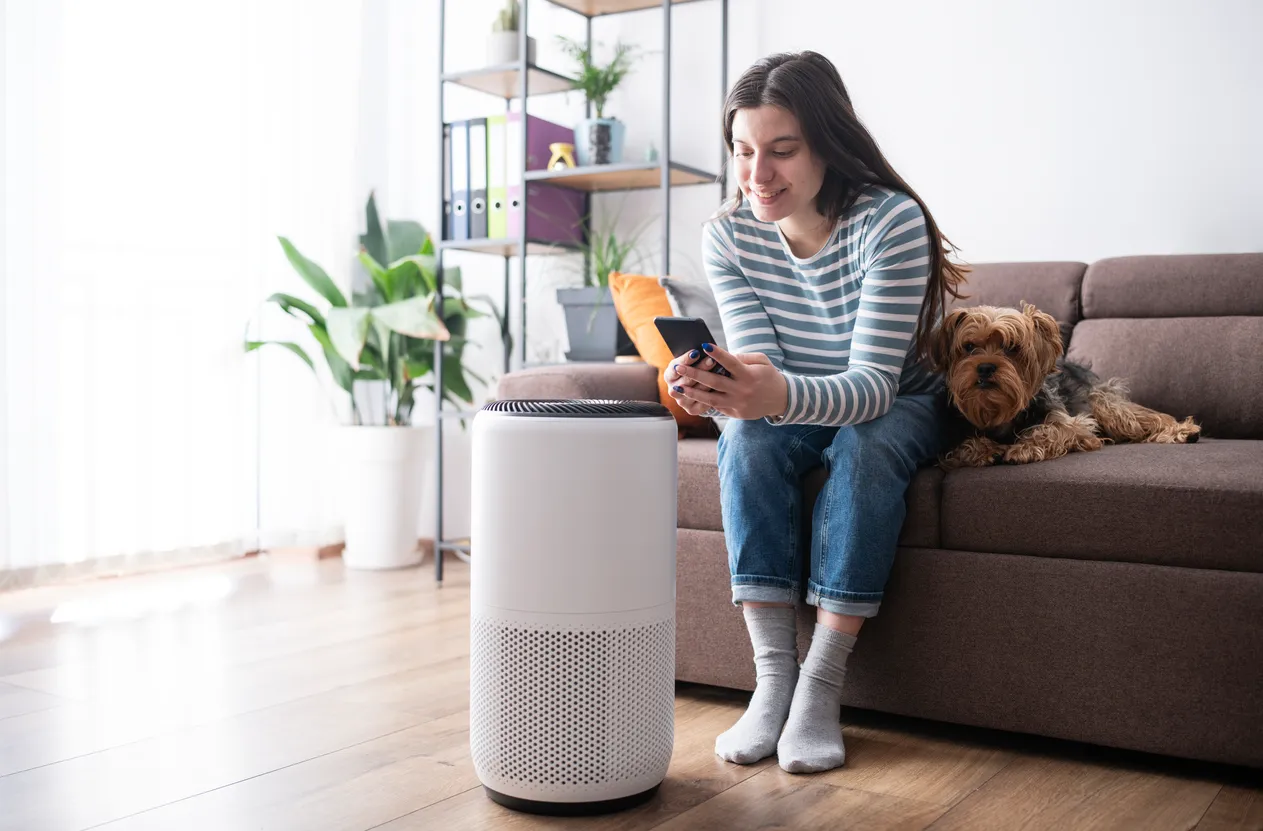
Your home’s air is often more polluted than the air outside, especially in airtight modern homes where contaminants get trapped in a continuous cycle. Professional Indoor Air Quality (IAQ) services go beyond simple filter changes. We provide a systematic approach to neutralizing biological growth, removing particulate matter, and managing moisture levels that fuel mold.
When you invest in IAQ solutions, you receive a targeted strategy based on the specific layout and needs of your property. This involves integrating advanced hardware directly into your existing central heating and cooling system. Unlike portable units that only treat a single room, whole-home solutions treat the air at the source—the air handler—ensuring that every cubic foot of air circulating through your vents is purified before it reaches your living space.
The scope of our services includes the installation and maintenance of high-efficiency filtration, purification, and ventilation systems:
- Whole-Home Dehumidification: High humidity is the primary driver of mold and dust mites in Florida. Dedicated dehumidifiers work in tandem with your AC to maintain optimal moisture levels between 45% and 55%, preventing biological growth without over-cooling the home.
- UV-C Germicidal Lights: Installed directly inside the HVAC coil or ductwork, these lights scramble the DNA of viruses, bacteria, and mold spores, rendering them unable to reproduce.
- High-Efficiency Media Air Cleaners: These thick, pleated filters trap significantly more dust, pollen, and pet dander than standard 1-inch fiberglass filters, protecting both your lungs and your HVAC equipment.
- Energy Recovery Ventilators (ERVs): These systems exchange stale indoor air with fresh outdoor air while transferring heat and humidity, ensuring ventilation does not compromise energy efficiency.
Accu-Temp Heating and Air Conditioning utilizes advanced diagnostic tools to pinpoint the exact source of your air quality issues before recommending a specific hardware configuration.
The Process of Improving Your Home's Air
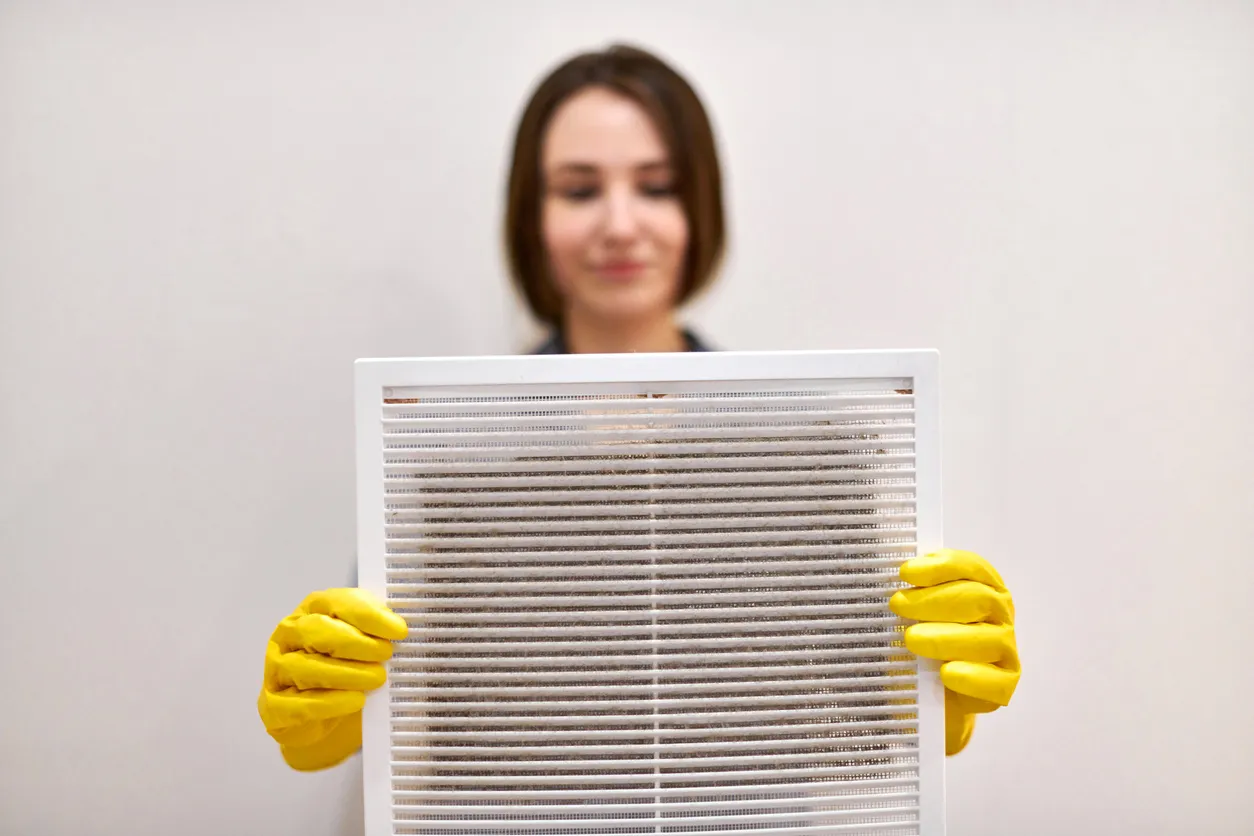
Implementing an effective air quality strategy requires a logical, step-by-step process. We do not guess at problems; we measure and solve them. The timeline for improving your indoor environment typically moves quickly, with testing often completed in a few hours and equipment installation finalized within one to two days, depending on the complexity of the system integration:
Assessment and Testing
The first step involves a thorough evaluation of the home’s current atmosphere and the mechanical condition of the HVAC system. Technicians use specialized meters to measure particle counts, volatile organic compounds (VOCs), relative humidity, and carbon dioxide levels.
- Technicians visually inspect ductwork for leaks, disconnects, or signs of mold growth.
- Static pressure tests are performed to ensure the system has adequate airflow to support high-efficiency filters.
- A final report outlines the specific contaminants present and the sources of infiltration.
Custom Solution Design
Once data is collected, a plan is developed to address the specific findings. If the primary issue is humidity, the focus shifts to moisture control. If the issue is particulate matter like dander or pollen, filtration becomes the priority.
- Technicians select equipment properly sized for the square footage and tonnage of the HVAC system.
- Integration plans are drawn up to determine where UV lights or air purifiers will be mounted for maximum exposure time to the airflow.
- Energy efficiency impacts are calculated to ensure new components do not overload the electrical capacity or skyrocket utility bills.
Installation and Integration
The installation phase is where the solution becomes reality. This is not a plug-and-play process; it involves modifying the existing ductwork and electrical connections to accommodate new technology.
- Technicians cut into the supply or return plenums to mount air cleaners and UV emitters securely.
- Electrical connections are hardwired to the HVAC control board so that IAQ devices cycle on and off with the blower motor.
- Drain lines are installed for dehumidifiers to automatically remove collected water, eliminating the need to empty buckets.
Verification and Monitoring
After installation, the job is not complete until the results are verified. The system is run through a full cycle to ensure air balance is maintained.
- Technicians re-test air pressure to confirm that new filters are not restricting airflow to the compressor.
- Humidity levels are monitored to verify the dehumidifier is reaching the set point.
- The homeowner is trained on how to operate the new thermostat controls and when to replace media filters or UV bulbs.
Deciding Between Cleaning, Repair, or System Upgrades
Homeowners often face a difficult decision when air quality issues arise: is a simple cleaning enough, or does the system need a component upgrade? Understanding the severity of the contamination and the age of your current equipment is key to making the right financial and health decision:
When to Choose Cleaning and Maintenance
If the HVAC system is relatively new (under 5 years old) and the air quality issues are acute—such as after a renovation or a pollen-heavy season—maintenance may be the correct path.
- Choose duct cleaning if there is visible dust buildup on registers but no sign of moisture damage or mold in the insulation.
- Opt for coil cleaning if the system is struggling to cool but airflow is the only symptom.
- Select maintenance if the issue is a temporary odor related to a specific event, like painting or cooking.
When to Install Add-On Components
If the HVAC system is functioning well mechanically but fails to control comfort or health parameters, adding components is the most cost-effective solution. This bridges the gap between a standard AC and a high-performance system.
- Install a whole-home dehumidifier if your AC cools the house to the set temperature but the air still feels sticky or clammy.
- Add UV lights if family members suffer from recurring respiratory illnesses or if slime accumulates on the AC coils.
- Upgrade to a media cabinet filter if you find yourself dusting furniture daily despite running the AC.
When to Replace or Modify Ductwork
Sometimes, the infrastructure itself is the source of the pollution. Cleaning damaged ducts is often a waste of money because the underlying problem remains.
- Replace ductwork if the insulation is wet or harboring mold growth; porous materials cannot be effectively cleaned once contaminated.
- Opt for replacement if the ducts are crushed, disconnected, or leaking significantly, as this pulls in dirty air from attics or crawlspaces.
- Choose modification if the current return air vents are undersized, causing the system to depressurize the house and suck in outdoor pollutants.
Managing Daytona Beach Climate and Regulations
The local environment in Daytona Beach presents unique challenges for Indoor Air Quality. The combination of coastal salt air, high ambient humidity, and frequent thunderstorms creates a breeding ground for mold and mildew. Standard air conditioning systems are designed primarily to lower temperature, not to sanitize air or independently control humidity. During the shoulder seasons—spring and autumn—when temperatures are mild but humidity remains high, an AC unit may not run long enough to remove moisture, leading to "sick building syndrome."
Humidity and Mold Risks
In this region, indoor relative humidity can easily spike above 60% without intervention. At these levels, wood furniture absorbs moisture, and drywall becomes susceptible to mold. Local building science recommends maintaining indoor humidity below 55% year-round. This often requires supplemental dehumidification because an oversized or short-cycling AC unit cannot pull enough water out of the air during short run times.
Storms and Pressure Changes
During hurricane season, rapid changes in atmospheric pressure and wind-driven rain can force moisture into home envelopes. Post-storm assessments often reveal that water intrusion in attics or crawlspaces has compromised the air quality. Ensuring your HVAC system is sealed and that exhaust vents have proper backdraft dampers helps prevent outdoor contaminants from being forced inside during high winds.
Utilities and Permitting
When installing hardwired IAQ equipment like dehumidifiers or upgrading to higher amperage HVAC units, electrical work must comply with local building codes. Additionally, Florida Power & Light (FPL) often provides resources or incentives regarding energy efficiency. While IAQ devices do consume energy, clean coils and proper airflow significantly reduce the workload on the main AC compressor, often resulting in a net neutral or positive effect on energy consumption over time. Proper permitting ensures that all electrical connections are safe and that the installation adds value to the home for future resale.
Why Professional Implementation Matters
Improving indoor air quality is a science, not a product purchase. Many homeowners attempt to solve these problems with portable air purifiers purchased online, only to find they are noisy, occupy floor space, and fail to treat the entire volume of the home. A professionally installed solution integrates seamlessly into your infrastructure, operating silently and automatically:
Equipment Sizing and Airflow
Incorrectly sized filters are a common cause of HVAC failure. Installing a filter that is too restrictive (high MERV rating) on a system with weak airflow can freeze the evaporator coil and burn out the compressor. Professionals calculate the static pressure of the duct system to determine the maximum filtration level the equipment can handle without risking damage.
Source Control vs. Symptom Management
Store-bought sprays and plug-ins mask odors but add Volatile Organic Compounds (VOCs) to the air, worsening the problem. Professional services focus on source control—removing the contaminant or the condition (like moisture) that allows the contaminant to thrive. This approach provides long-term relief rather than a temporary fix.
Warranty and Certification
Hardware installed by licensed professionals carries manufacturer warranties that are often voided by DIY installation. Furthermore, handling components like UV lights requires safety protocols to prevent eye and skin damage, while working with ductwork requires knowledge of airflow dynamics to prevent creating hot and cold spots in the house.
Taking control of the air you breathe is one of the most impactful investments you can make for your property and your health. Whether you are dealing with the aftermath of a humid summer or preparing for the allergy season, the right combination of filtration, ventilation, and humidity control changes the way your home feels.
Contact Us Today!
Accu-Temp Heating and Air Conditioning is ready to help you diagnose your air quality challenges and implement a permanent solution.
Secure your appointment today for a cleaner, healthier home environment.
Contact Us
Why Choose One Company for Everything?

Simplicity

Expertise

Savings
Service Areas