



Eliminate Persistent Allergens and Control Humidity in Your Home
Dealing with persistent allergies, odors, or respiratory issues at home requires more than standard filtration; it demands a targeted strategy to neutralize airborne contaminants. Accu-Temp Heating and Air Conditioning addresses these issues head-on, ensuring your living space is both safe and comfortable through advanced diagnostic and purification technology. Contact us immediately or apply for financing to begin your indoor air quality remediation.
- Rapid Response: On-site evaluations and solutions provided within 24 hours to address immediate health concerns.
- Professional Expertise: Technicians certified by leading HVAC authorities ensure high-quality service and proper equipment integration.
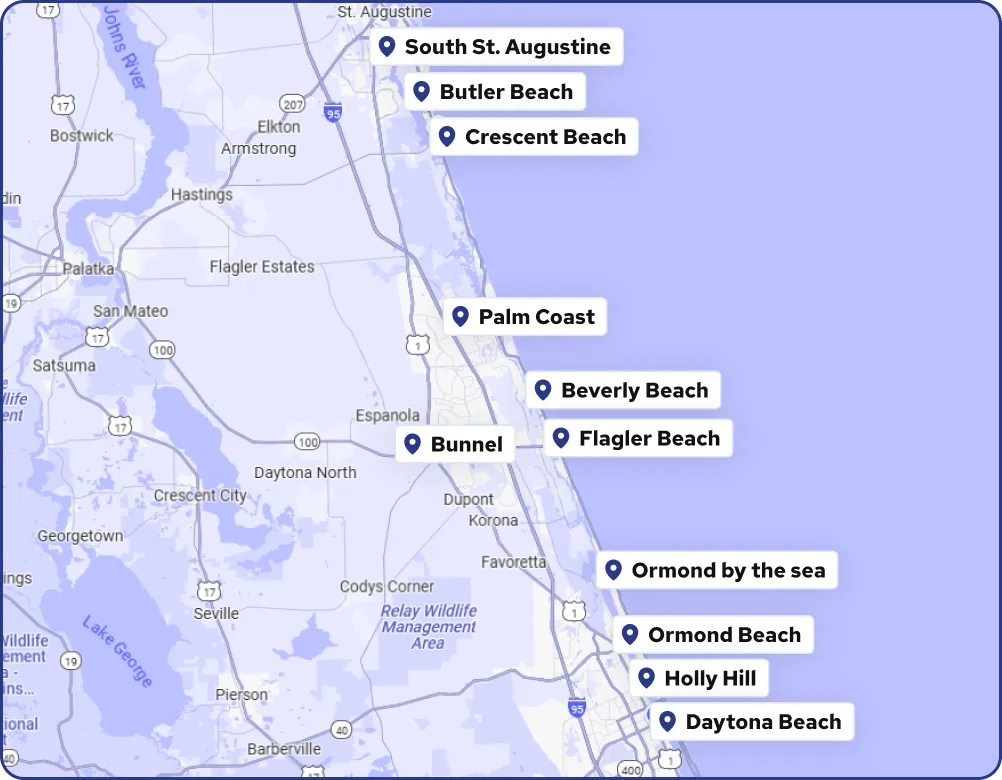
- Comprehensive Solutions: From humidity control to air purification, services are tailored specifically for the humid climate found in Holly Hill.
All services come with full compliance to local codes and extensive warranty options for your peace of mind.
Targeted Solutions for Indoor Air Quality Improvement
Achieving a healthy indoor environment involves more than just changing a standard air filter. In regions like Holly Hill, where humidity levels remain high throughout the year, indoor air quality (IAQ) management requires a multi-faceted approach. High moisture levels create breeding grounds for mold, mildew, and dust mites, while tightly sealed modern homes trap Volatile Organic Compounds (VOCs) and particulate matter inside. Effective IAQ solutions integrate directly with your central heating and cooling system to treat 100% of the air circulating through your property.
We provide a range of immediate, high-impact solutions designed to neutralize biological growth and filter out microscopic irritants.
- Whole-Home Dehumidification: Standard air conditioners are designed primarily to lower temperature, with dehumidification being a secondary byproduct. Dedicated whole-home dehumidifiers function independently of the cooling cycle, removing excess moisture to maintain relative humidity levels between 45% and 55%. This prevents mold growth and structural damage to wood flooring and drywall.
- Ultraviolet (UV) Germicidal Lights: Installed within the air handler or ductwork, UV lights sterilize coil surfaces and the air passing over them. This technology disrupts the DNA of bacteria, viruses, and mold spores, rendering them unable to reproduce and effectively killing them before they circulate into your living rooms.
- High-Efficiency Media Air Cleaners: Unlike standard 1-inch filters that only capture large dust bunnies, thick-media air cleaners capture microscopic particles, including pet dander, pollen, and smoke. These systems protect both your lungs and the internal components of your HVAC system from debris buildup.
- Energy Recovery Ventilators (ERVs): These systems exchange stale indoor air with fresh outdoor air without losing the energy used to cool your home. They filter incoming air and transfer humidity/heat to ensure fresh air does not compromise your comfort or energy bills.

The Process: Assessment, Installation, and Verification
Improving indoor air quality is a technical process that begins with data, not guesswork. Implementing the wrong solution—such as oversizing a dehumidifier or installing the wrong type of filtration—can lead to increased energy costs and reduced system efficiency. The path to cleaner air follows a strict protocol to ensure the equipment installed solves the specific contaminant problems present in the property.
- Initial Air Quality Evaluation: The process begins with a thorough assessment of the current indoor environment. Technicians use specialized meters to measure particle counts, VOC levels, relative humidity, and carbon dioxide levels. This data creates a baseline profile of the home’s air quality.
- Ductwork and System Inspection: Before adding new equipment, the existing infrastructure must be sound. Leaky return ducts in an attic or crawlspace can suck in fiberglass, insulation dust, and humid air, bypassing even the best filters. Technicians inspect the ductwork for integrity and seal leaks to ensure the system is a closed loop.
- Customized Solution Design: Based on the evaluation, a specific set of equipment is recommended. This might involve a standalone HEPA filtration unit for severe allergy sufferers or a coil-mounted UV light for homes with a history of organic growth. The proposal outlines exactly how the new components will interface with the current HVAC system.
- Precision Installation: Certified installers mount the equipment, run necessary electrical connections, and modify plenum sheet metal to accommodate new filtration cabinets or ventilators. Drainage lines for dehumidifiers are routed to prevent leaks, and safety switches are installed to protect the system.
- Performance Verification: Once installed, the system is tested to verify it meets performance benchmarks. Technicians re-test air quality metrics to demonstrate the reduction in particulate matter and the stabilization of humidity levels.
Deciding Between Repair, Component Upgrades, and Full Replacement
Homeowners often struggle to determine whether their air quality issues stem from a failing HVAC system or a lack of specific IAQ equipment. Identifying the root cause is essential to spending money effectively. There are distinct scenarios where repairing an existing setup is sufficient, and others where installing new IAQ components is the only way to resolve the problem.
When to Repair or Service Existing Equipment:
- Clogged Filters: If airflow is restricted and dust is accumulating quickly, the issue may simply be a filter that needs replacement or a filter type that is too restrictive for the system’s static pressure.
- Dirty Evaporator Coils: A musty smell often indicates biological growth on the evaporator coil. A professional deep clean of the coil and drain pan often resolves this odor without requiring new equipment.
- Duct Leaks: If the air feels dusty or humid despite the AC running, sealing existing ductwork is often the first step before purchasing additional purification systems.
When to Install New IAQ Systems:
- Persistent Humidity: If the AC unit is sized correctly and running properly but the home feels clammy or smells like mildew, the cooling system alone cannot handle the latent heat load. A whole-home dehumidifier is the necessary upgrade.
- Recurrent Illness: If family members experience chronic respiratory issues, sinus infections, or allergy symptoms that subside when leaving the house, standard filtration is insufficient. Adding UV lights or HEPA filtration provides the medical-grade air cleaning required.
- Odor Elimination: For homes with pets, smokers, or lingering cooking smells, carbon-based filtration or air scrubbers are required to oxidize and neutralize the VOCs causing the odors, as standard filters cannot trap gas-phase molecules.
Navigating Local Climate Factors and Building Codes
The coastal environment of Florida presents specific challenges for HVAC and air quality systems. In Holly Hill, the combination of high ambient heat and extreme humidity places a constant load on air conditioning equipment. When an AC unit satisfies the thermostat setting (sensible cooling) quickly but fails to run long enough to remove moisture (latent cooling), the result is a cold, damp house. This environment accelerates the growth of mold and dust mites, which thrive in humidity above 60%.
Local building codes and mechanical standards dictate how air quality equipment must be installed to ensure safety and efficiency.
- Ventilation Standards: Modern codes often require mechanical ventilation for tightly sealed homes to ensure adequate air exchange. Installing fresh air intakes or ERVs ensures compliance while maintaining indoor air hygiene.
- Electrical Safety: Adding components like dehumidifiers and UV lights increases the electrical draw. Professional installation ensures that circuits are not overloaded and that all wiring meets the National Electrical Code (NEC) requirements.
- Condensate Management: High-capacity dehumidifiers produce significant amounts of water. Local codes require specific drainage protocols, often involving secondary drain pans and float switches, to prevent water damage to ceilings and floors.
- System Sizing: Proper sizing calculations (Manual J and Manual D) are critical. An oversized dehumidifier will short-cycle and fail to dry the air effectively, while an undersized unit will run continuously without achieving the target humidity set point.
Technical Reliability and System Integration
Effective indoor air quality improvement relies on the seamless integration of various mechanical components. A piecemeal approach—using portable store-bought units—rarely achieves the desired results for an entire structure. Professional integration ensures that air purification works in tandem with heating and cooling cycles.
- Pressure Drop Management: High-efficiency filters create resistance to airflow (static pressure). Accu-Temp Heating and Air Conditioning technicians verify that the blower motor can handle the increased resistance without overheating or reducing airflow to distant rooms.
- Sensor Calibration: Dehumidifiers and ventilators rely on accurate sensors to operate. Professional calibration ensures that the humidity readings on the controller match the actual conditions in the living space, preventing energy waste.
- Electrical Integration: Hardwiring IAQ components into the main HVAC control board allows for synchronized operation. For example, the blower fan can be programmed to run at a low speed when the dehumidifier is active, even if cooling is not required, ensuring treated air is distributed throughout the house.
- Safety Interlocks: UV lights are powerful and can damage eyes and skin. Professional installation includes safety interlock switches that automatically shut off the lights if the service panel is opened, ensuring safe maintenance access.
Why Choose Us
- Certified Expertise: Our technicians are certified by leading HVAC authorities, ensuring safe and effective installation.
- Rapid Service: On-site evaluations and solutions are provided within 24 hours to address urgent health concerns.
- Tailored Solutions: Each system is customized to meet your home’s unique air quality needs.
- Advanced Technology: We use cutting-edge dehumidifiers, UV lights, HEPA filters, and ERVs to provide medical-grade air cleaning.
- Code-Compliant and Reliable: All work meets local building codes, electrical standards, and includes warranty options for peace of mind.
Take the Next Step
Ready to breathe cleaner, healthier air? Contact us now to schedule your professional air quality assessment.
Contact Us
Why Choose One Company for Everything?

Simplicity

Expertise

Savings
Service Areas