



Breathe Easier with Professional Indoor Air Quality Solutions
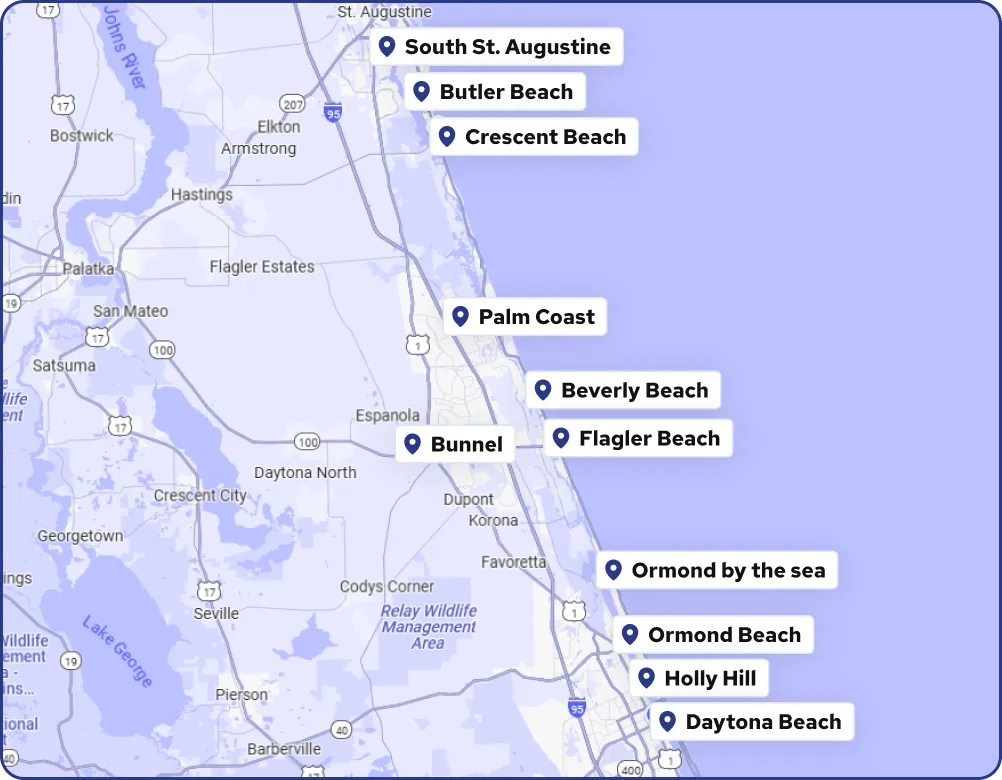
Struggling with humidity at home? Noticeable mustiness or allergy symptoms could mean your indoor air quality needs attention, so contact us to schedule a comprehensive assessment or apply for financing today. Homeowners in Beverly Beach often face invisible pollutants that standard HVAC filters cannot catch, leading to respiratory issues and discomfort. Accu-Temp Heating and Air Conditioning delivers specialized services designed to neutralize these threats and restore a healthy living environment.
- Expert assessment and solutions tailored to Beverly Beach's climate.
- Rapid response and service to restore your air quality quickly.
- Use of cutting-edge technology to detect and resolve air quality issues.
All services backed by a comprehensive warranty for your peace of mind.
Comprehensive Indoor Air Quality Systems and Services
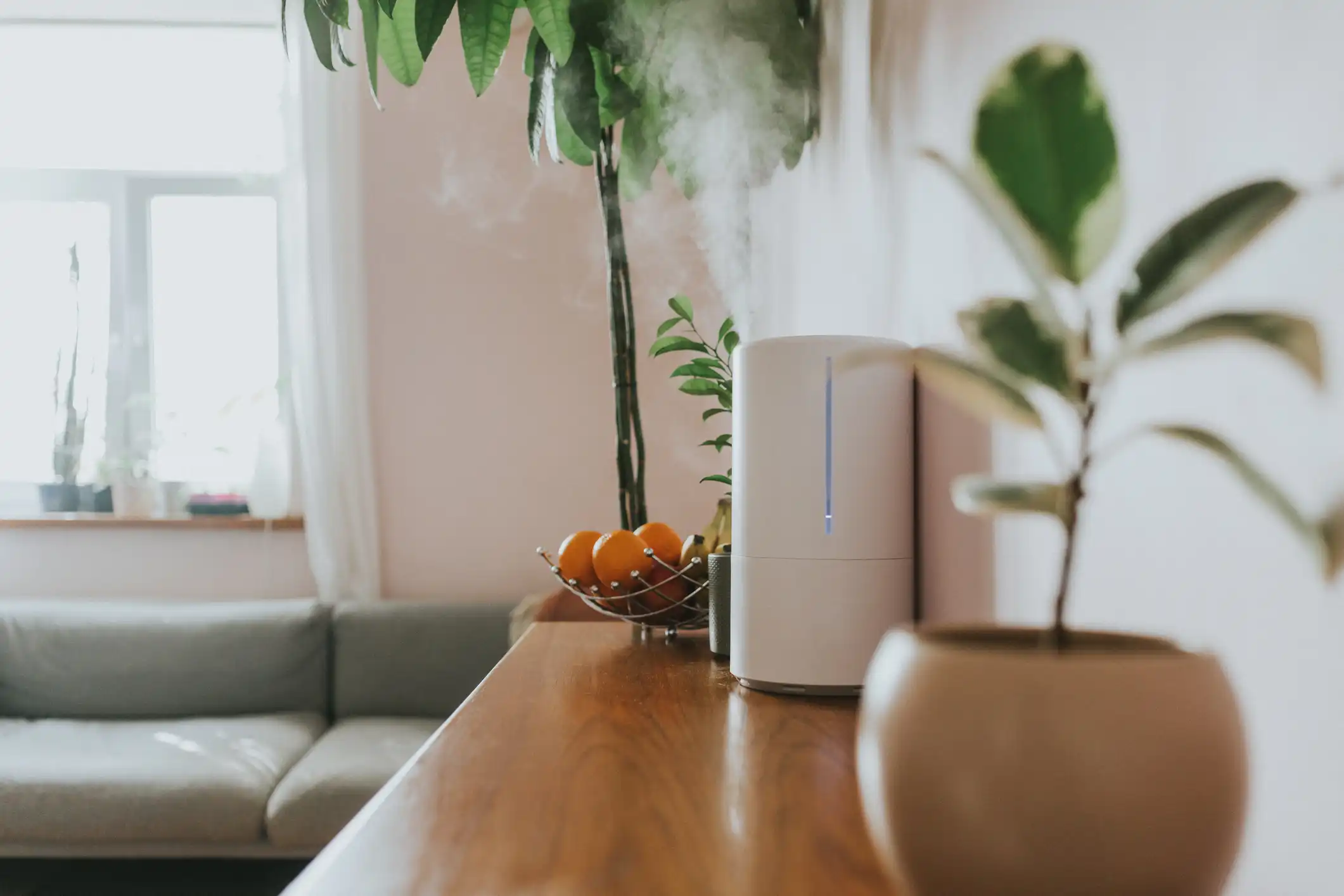
Improving the air inside your home requires more than a simple filter change. It involves a systematic approach to identifying, capturing, and neutralizing contaminants that circulate through your ductwork. When you invest in professional indoor air quality (IAQ) services, you receive a multi-layered defense system integrated directly into your existing heating and cooling infrastructure.
Whole-Home Dehumidification
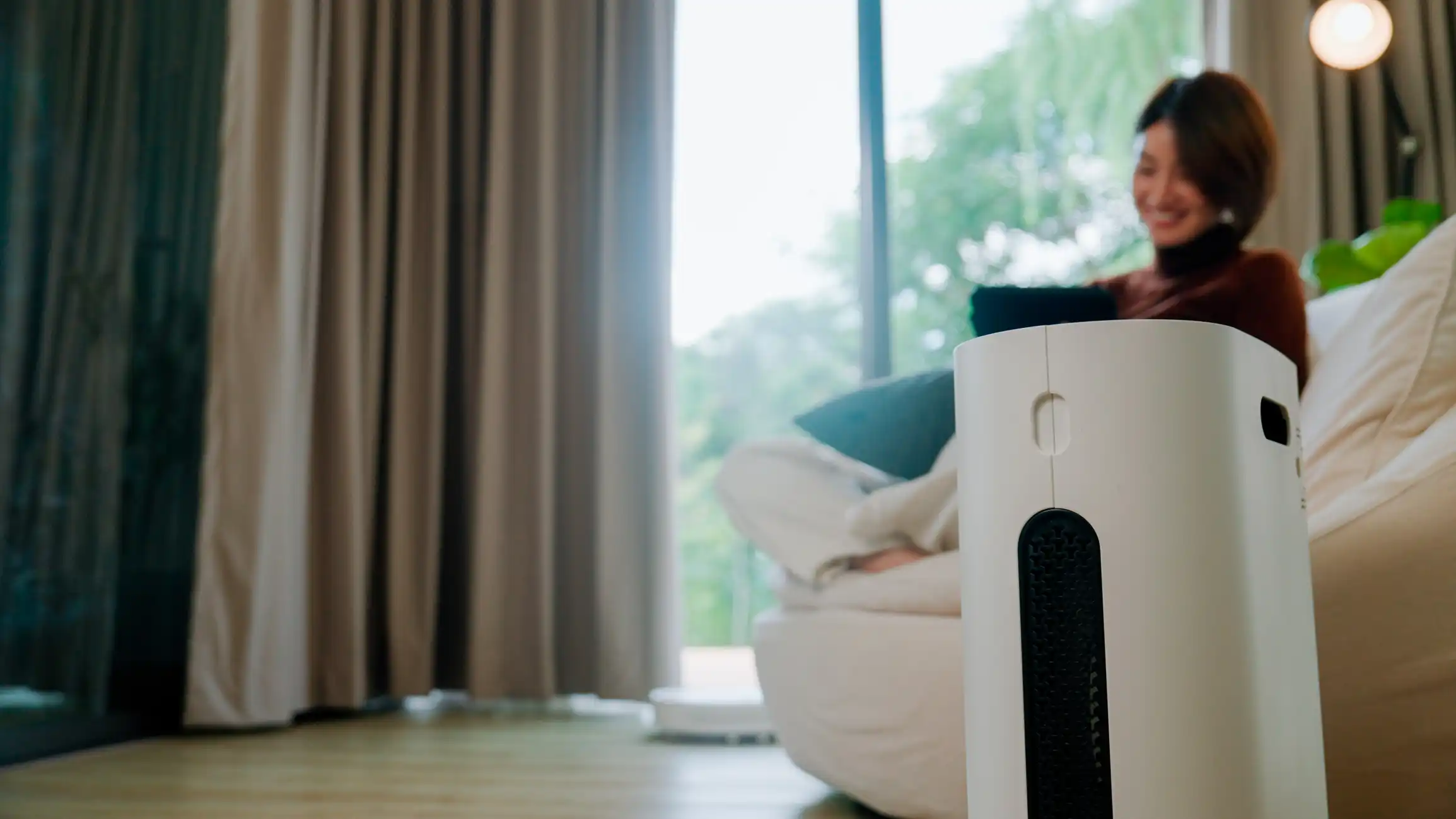
In a coastal environment, controlling moisture is the most critical step in maintaining air quality. High humidity levels encourage the growth of mold, mildew, and dust mites. A dedicated whole-home dehumidifier works in tandem with your central air conditioning to maintain optimal humidity levels, typically between 45% and 55%.
- Removes gallons of excess moisture daily without overcooling the home.
- Prevents the damp feeling often associated with standard air conditioning in humid climates.
- Inhibits the proliferation of biological growth inside ductwork and on surfaces.
Advanced Air Filtration
Standard one-inch filters are designed primarily to protect the HVAC equipment, not the people breathing the air. High-efficiency media air cleaners capture a much higher percentage of airborne particles. These systems use thick, pleated media to trap microscopic contaminants such as pollen, pet dander, and fine dust that usually pass through standard filters.
- Captures particles as small as 0.3 microns.
- Extends the lifespan of your HVAC system by keeping internal components cleaner.
- Reduces the frequency of dusting required throughout the home.
Ultraviolet (UV) Germicidal Lights
Biological contaminants thrive in the dark, damp environments found inside cooling coils and drain pans. UV germicidal lights are installed directly inside the HVAC system to bathe these components in focused ultraviolet energy. This technology scrambles the DNA of bacteria, viruses, and mold spores, rendering them unable to reproduce.
- Neutralizes airborne pathogens as they pass through the system.
- Keeps the indoor coil free of mold buildup, improving heat transfer efficiency.
- Reduces "gym sock" smells often associated with dirty coils ("Dirty Sock Syndrome").
Energy Recovery Ventilators (ERVs)
Modern homes are built tightly to conserve energy, but this often traps stale air and pollutants inside. An Energy Recovery Ventilator exchanges stale indoor air for fresh outdoor air without losing the energy used to heat or cool the home. In humid regions, ERVs also help transfer moisture from the incoming air to the outgoing air, reducing the load on your dehumidifier.
- Dilutes concentrations of Volatile Organic Compounds (VOCs) from household cleaners and furniture.
- Provides a constant supply of oxygenated fresh air.
- Balances indoor pressure to prevent infiltration of unfiltered outdoor air.
The Installation and Integration Process
Implementing an effective IAQ strategy involves precise diagnostic testing and professional installation. The goal is to create a seamless ecosystem where temperature control and air purification work together.
Initial Diagnostics and Testing
The process begins with a thorough evaluation of the current indoor environment. Technicians use specialized meters to measure humidity levels, particulate counts, and airflow velocity. This data identifies the specific pollutants present, whether they are biological (mold), particulate (dust), or chemical (VOCs). Understanding the specific load helps in selecting the correct equipment size and type for the specific square footage and layout of the property.
System Selection and Design
Once the issues are identified, a custom solution is designed. This is not a one-size-fits-all approach. For a home with pets, high-efficiency filtration is prioritized. For a home with moisture issues, dehumidification takes precedence. The design phase ensures that any new equipment acts as an extension of the current HVAC system rather than an obstruction to airflow. Static pressure calculations are performed to ensure the blower motor can handle the additional filtration without strain.
Mechanical Installation
Technicians cut into the supply or return plenums to mount the new equipment. This requires metalworking skills to ensure airtight seals.
- Media cabinets are installed to allow for easy filter access.
- UV lamps are positioned for maximum exposure to the coil without damaging wiring or insulation.
- Dehumidifiers are ducted to pull from and discharge back into the central system, often requiring dedicated drainage lines.
- Electrical connections are hardwired into the HVAC circuit or dedicated breakers to ensure code compliance.
Calibration and Verification
After physical installation, the system is calibrated. This involves setting the humidistat to the desired level, adjusting the airflow on the ventilator, and verifying that the pressure drop across the new filter is within manufacturer specifications. Technicians verify that the system engages automatically when the HVAC unit runs or when sensors detect poor air quality.
When to Upgrade Systems vs. Basic Maintenance
Homeowners often wonder if their current issues can be solved with better maintenance or if capital investment in new IAQ hardware is necessary. Accu-Temp Heating and Air Conditioning helps you navigate this decision based on the severity of the symptoms and the age of the home.
Persistent Respiratory Symptoms
If occupants experience allergy symptoms that subside when they leave the house and return when they come back, basic maintenance is likely insufficient. Standard maintenance cleans existing components but does not add the capability to remove sub-micron particles or neutralize viruses. In this scenario, installing a UV light or HEPA-grade filtration is a necessary upgrade to address the root cause of the health issue.
Visible Mold or Recurring Odors
Musty odors that return days after cleaning usually indicate an active moisture problem or bacterial growth inside the HVAC system. Simply cleaning the ducts provides temporary relief, but without a UV light to kill the source or a dehumidifier to remove the moisture, the mold will return. This situation calls for a permanent equipment upgrade rather than a repair.
Excessive Dust Accumulation
If furniture gathers dust immediately after cleaning, it indicates that the current filtration system is being bypassed or is too porous. Duct sealing services combined with a higher MERV-rated media cabinet are required. Repairing gaps in ductwork prevents attic dust from entering the air stream, while the upgraded filter captures what remains.
System Efficiency Drops
A system choked by dirt requires more energy to run. If the AC coils are impacted by debris despite regular filter changes, upgrading to a media air cleaner is a financial decision as much as a health one. The upgrade protects the expensive compressor and blower motor from premature failure due to dirt buildup.
Managing Coastal Climate Challenges
Beverly Beach presents specific environmental challenges that dictate how indoor air quality must be managed. The proximity to the ocean and the subtropical climate create a unique load on residential ventilation systems.
Combatting Salt Air and Corrosion
Coastal air contains salt aerosols that can be corrosive to metal components. While this primarily affects outdoor units, salt air drawn into the home can accelerate corrosion on indoor coils and electronic air cleaners. Filtration choices here are critical. High-quality filtration helps capture these aerosols before they settle on sensitive heat exchange surfaces, preserving the longevity of the equipment.
The Humidity Battle
The most significant local factor is the latent heat load—the moisture in the air. During the long summer season, the air conditioner may run for short cycles, satisfying the temperature setting but failing to remove enough humidity. This results in a "clammy" indoor environment.
- Supplemental dehumidification is often required to bridge the gap during shoulder seasons (spring and fall) when the AC runs less frequently but humidity remains high.
- Properly sized equipment prevents the "over-cooling" strategy, where homeowners lower the thermostat just to dry out the air, which drives up energy bills.
Biological Growth Prevention
The combination of heat and humidity creates an incubator for mold and algae. In this region, drain lines are prone to clogging with algae sludge. IAQ solutions often include treatment products for drain pans and UV systems specifically targeted at preventing this growth, ensuring that the water removed from the air drains away safely rather than backing up and causing water damage.
Why Professional Execution Matters
Indoor air quality is a science that involves fluid dynamics, thermodynamics, and microbiology. Attempting to tackle these issues with off-the-shelf portable units often results in noise, high energy consumption, and limited effectiveness limited to a single room. Professional, whole-home solutions treat the entire volume of air in the structure multiple times per hour.
Accurate Sizing and Airflow
Adding filtration or purification devices changes the static pressure of the HVAC system. If a system is not properly balanced, a high-efficiency filter can choke the airflow, causing the evaporator coil to freeze or the heat exchanger to crack. Professionals measure the external static pressure to ensure the system can handle the upgrade.
Code Compliance and Safety
Installing UV lights and high-voltage dehumidifiers requires adherence to electrical codes. Improper installation poses fire risks or risks of UV exposure to skin and eyes if safety interlocks are not installed correctly. Professional installation ensures all safety switches are operational and that wiring meets all local and national electrical standards.
Integration with Smart Home Technology
Modern IAQ systems can be integrated with smart thermostats. This allows homeowners to monitor humidity levels, particulate counts, and filter status from their smartphones. Configuring these automations requires technical knowledge of HVAC wiring diagrams and communication protocols.
Long-Term Value
Integrated solutions add value to the home and protect the building materials. By controlling humidity, you protect hardwood floors from warping and drywall from cracking. By filtering air effectively, you protect expensive furnishings and electronics from dust damage.
Secure Your Home’s Air Quality Today
Clean air is essential for comfort and long-term health. The invisible nature of indoor pollutants often leads homeowners to overlook them until symptoms arise, but proactive management creates a safer, cleaner living space. Investing in the right technology ensures that your home remains a sanctuary against the heat, humidity, and allergens typical of the Florida coast.
From humidity control to advanced filtration, the correct solution depends on accurate diagnosis and professional implementation. Accu-Temp Heating and Air Conditioning provides the technical expertise required to analyze your indoor environment and install robust solutions that perform year after year. Do not let poor air quality compromise your comfort or health.
Contact us now to schedule your indoor air quality evaluation and breathe easier tomorrow.
Contact Us
Why Choose One Company for Everything?

Simplicity

Expertise

Savings
Service Areas