



Breathe Easier with Professional Indoor Air Quality Solutions
High humidity levels and circulating allergens in Butler Beach can turn your home into a breeding environment for mold, dust mites, and pollutants, directly impacting your respiratory health. Accu-Temp Heating and Air Conditioning provides targeted interventions to clear the air you breathe and stabilize your indoor climate. If you are noticing lingering musty odors, visible mold growth, or consistent allergy symptoms, contact us immediately to schedule a comprehensive air quality assessment.
- Reduce common allergens, volatile organic compounds, and mold spores with advanced air purification systems.
- Immediate service appointments available to address urgent air quality concerns and HVAC contamination.
- Expert assessments and tailored solutions to enhance home comfort and health without compromising system efficiency.
- Licensed professionals with flexible financing options ensure safe, reliable service for every installation.
The Scope of Professional Air Quality Management
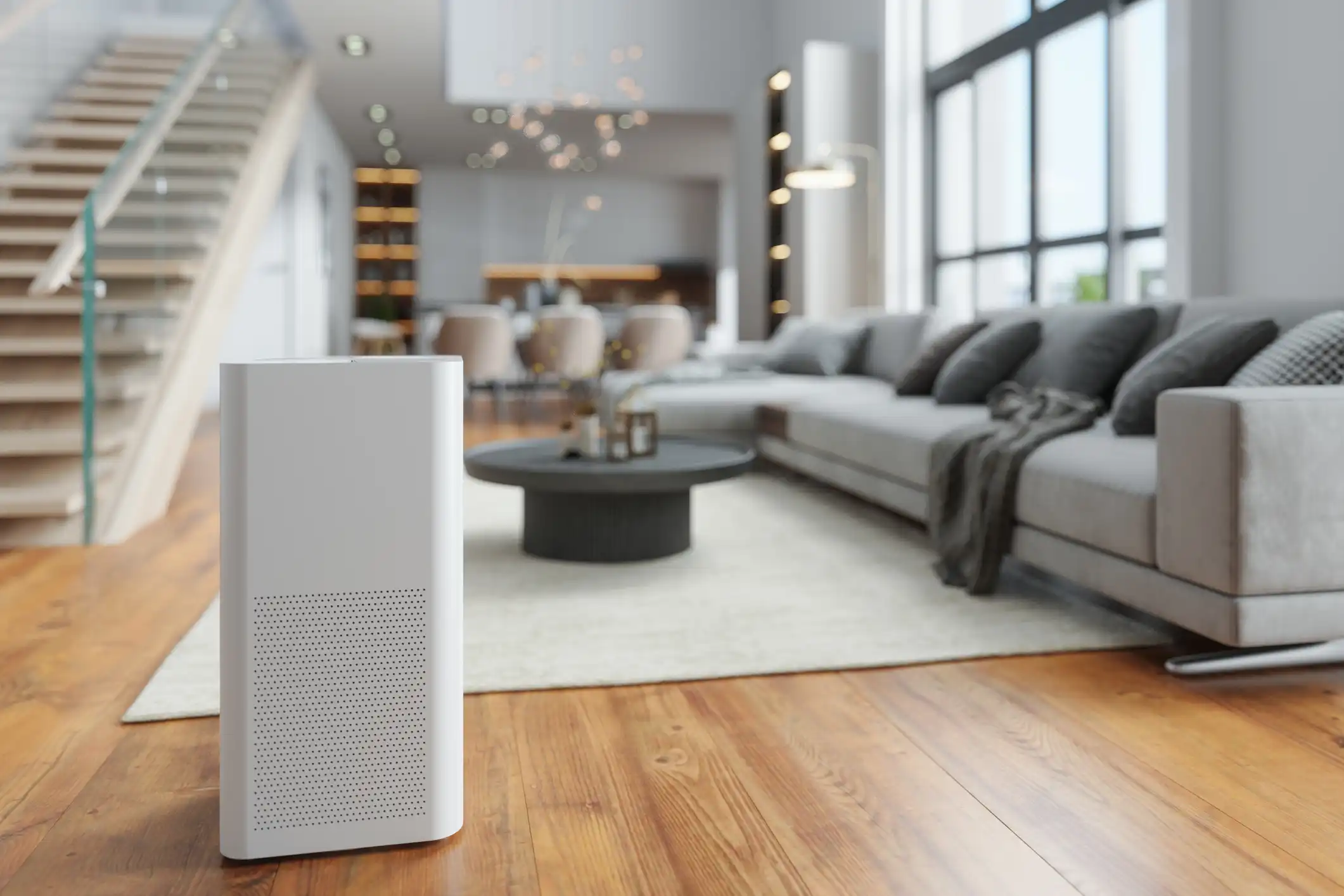
Achieving a healthy indoor environment requires more than standard air filters. Homeowners often face invisible threats that standard HVAC filtration cannot catch, including microscopic particulates, biological growth, and chemical vapors. When you engage professional services for indoor air quality (IAQ), the focus shifts to a multi-tiered approach that addresses purification, filtration, and humidity control simultaneously.
Advanced Air Purification and Scrubbing
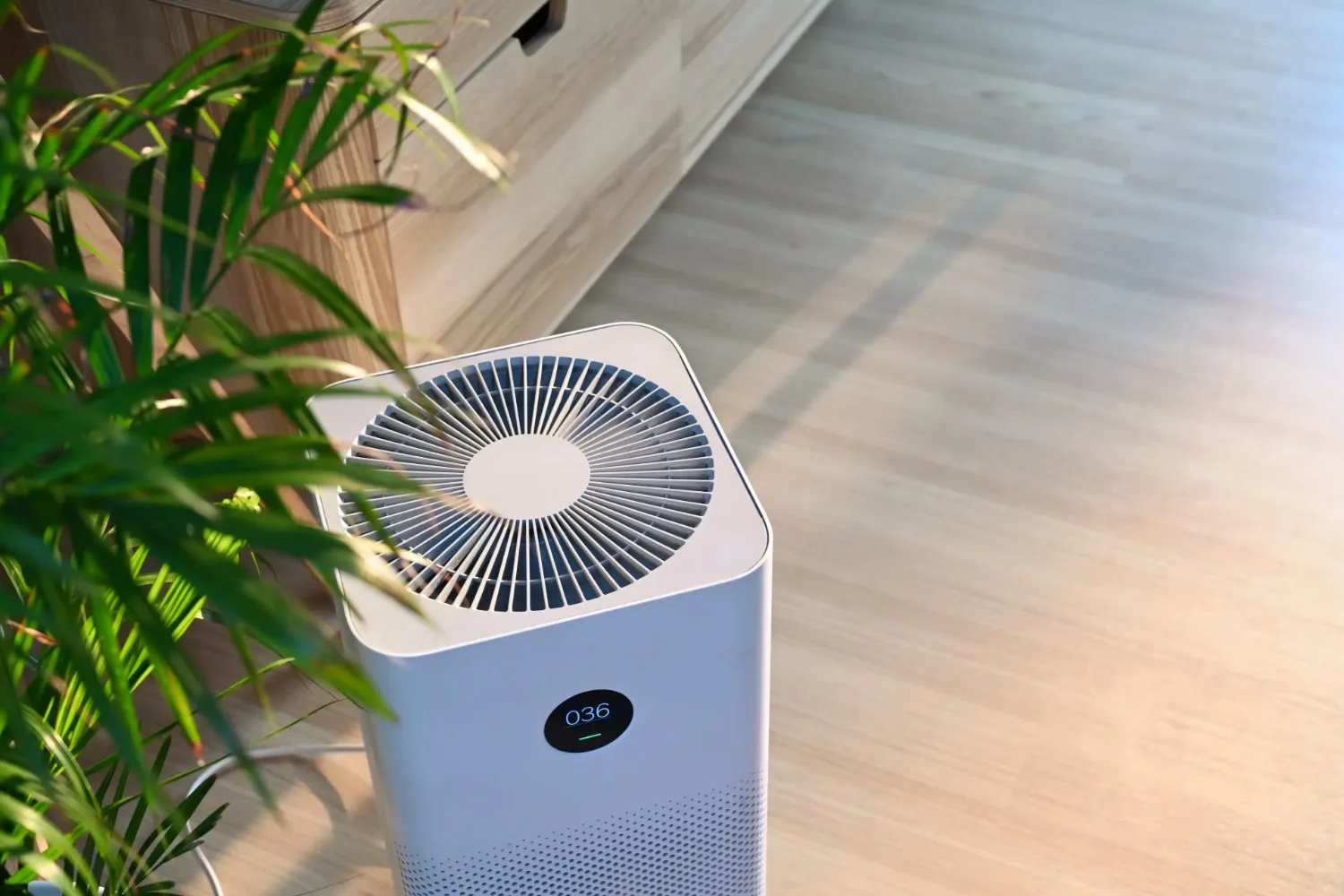
Modern air purification goes beyond trapping dust; it actively cleans the air.
- UV Germicidal Lights: These systems are installed directly within the HVAC system, typically near the evaporator coil. They utilize ultraviolet light in the C-band spectrum to neutralize biological contaminants like mold, bacteria, and viruses. By disrupting the DNA of these microorganisms, UV lights prevent them from reproducing and spreading through the ductwork.
- Whole-Home Air Scrubbers: Unlike passive filters, air scrubbers actively send scrubbers into the environment. These devices often use photocatalytic oxidation technology to release hydro-peroxides that attach to surface and airborne contaminants, neutralizing viruses and reducing dust, pollen, and odors on surfaces like countertops and doorknobs.
Enhanced Filtration Systems
Standard fiberglass filters protect the HVAC equipment but do little for human health. Upgrading filtration involves integrating hardware that captures smaller particulate matter.
- Media Air Cleaners: These are thick, pleated filters installed in a dedicated cabinet attached to the furnace or air handler. They offer a significantly higher surface area than standard 1-inch filters, capturing particles as small as 0.3 microns, including pet dander and tobacco smoke, without restricting airflow to the system.
- HEPA Filtration Integration: For households with severe asthma or immune sensitivities, High-Efficiency Particulate Air (HEPA) bypass systems can be installed. These hospital-grade filters remove 99.97% of airborne particles, providing the highest level of particulate removal available for residential applications.
Humidity Control Solutions
In coastal environments like Butler Beach, controlling moisture is as critical as controlling temperature.
- Whole-Home Dehumidifiers: These units work in conjunction with your central air conditioning but operate independently to remove latent heat (moisture) from the air. This allows you to maintain ideal humidity levels (between 40% and 50%) even on days when the temperature is not high enough to trigger the AC cycle.
- Ventilation Systems: Energy Recovery Ventilators (ERVs) replace stale indoor air with fresh outdoor air while transferring heat and moisture to maintain energy efficiency. This dilutes the concentration of indoor pollutants without placing a heavy load on your cooling system.
The Installation and Integration Process
Implementing an indoor air quality strategy is a technical process that requires integration with your existing heating and cooling infrastructure. The goal is to treat the entire volume of air in the home, rather than just a single room.
Site Evaluation and Air Testing
The process begins with a diagnostic evaluation of the current indoor environment.
- Technicians measure humidity levels, inspect ductwork for leaks or mold growth, and identify pollutant sources.
- Airflow analysis is conducted to ensure the existing HVAC system can handle the static pressure of added filtration or purification devices.
- Specific problem areas, such as damp crawl spaces or chemical storage areas, are identified for targeted ventilation.
System Selection and Sizing
Once the baseline is established, the correct equipment is selected based on the square footage of the home and the specific contaminants present.
- Sizing a dehumidifier correctly is essential; an undersized unit will run continuously without reaching the setpoint, while an oversized unit may short-cycle.
- UV lights are selected based on the dimensions of the coil and the velocity of the air moving through the system to ensure adequate exposure time for sterilization.
Mechanical Integration
The physical installation involves modifying the return or supply plenum of the HVAC system.
- For media cabinets and air scrubbers, technicians cut into the sheet metal of the ductwork to mount the devices securely.
- Electrical connections are hardwired into the HVAC system’s control board or a separate circuit, ensuring the IAQ devices operate in sync with the blower motor.
- Drain lines are run for dehumidifiers to automatically remove collected water, eliminating the need to empty buckets.
- Accu-Temp Heating and Air Conditioning ensures all connections are sealed with mastic or foil tape to prevent air leakage and pressure drops.
Calibration and Testing
After hardware installation, the system is calibrated for optimal performance.
- Technicians verify that the pressure drop across new filters is within the manufacturer's specifications to prevent strain on the HVAC blower.
- Humidity controls are set to balance comfort with energy efficiency.
- The system is cycled to ensure all components activate and deactivate correctly in response to the thermostat and humidistat readings.
Repairing vs. Upgrading Air Quality Systems
Homeowners often debate whether to clean existing components or invest in new IAQ technology. While maintenance is vital, there are distinct scenarios where upgrading or replacing equipment is the more effective financial and health decision.
Persistent Mold and Odors
If duct cleaning has been performed but musty odors return within weeks, cleaning is no longer a viable solution.
- Recurring mold indicates that the source of the moisture or contamination has not been addressed.
- In this scenario, installing UV germicidal lights or a whole-home dehumidifier is necessary to alter the environment so mold cannot grow, rather than repeatedly cleaning up the growth.
- If ductwork acts as a reservoir for mold due to internal insulation breakdown, replacing the affected duct sections is safer than attempting to clean porous materials.
Frequent HVAC Breakdowns
Dirty air affects equipment longevity.
- If the evaporator coil frequently clogs with dust and debris despite regular filter changes, the current filtration setup is inadequate.
- Installing a high-efficiency media air cleaner prevents debris buildup on internal components, extending the life of the AC unit and reducing repair costs.
- The cost of the upgrade is often recouped through the prevention of a single major repair, such as a compressor failure caused by restricted airflow or dirty coils.
Health and Lifestyle Changes
Changes in the household often dictate a need for system replacement or addition.
- The arrival of a newborn, an elderly family member moving in, or a diagnosis of respiratory illness warrants an immediate upgrade from standard filtration to active purification.
- If a home renovation has occurred, the increase in construction dust and VOCs (from paint and flooring) often exceeds the capacity of older standard filters, requiring a temporary or permanent upgrade to handle the increased particulate load.
Aging Equipment
Existing humidifiers or dehumidifiers have a service life.
- If a whole-home dehumidifier is over 10-12 years old and requires a compressor replacement, the cost of repair typically approaches the cost of a new, more efficient unit with a new warranty.
- Older UV light systems that use ballast technology may be less energy-efficient and effective than modern, high-output emitters. Replacing the entire assembly is often more cost-effective than sourcing obsolete replacement bulbs and ballasts.
Navigating Butler Beach Climate Challenges
Operating HVAC and air quality systems in Butler Beach requires specific attention to the local coastal environment. The combination of salt air, high heat, and extreme humidity creates a unique set of stressors on equipment and indoor environments.
The Humidity Load
Butler Beach experiences high dew points for a significant portion of the year.
- Standard air conditioners are designed to cool air, with dehumidification being a secondary byproduct. During "shoulder seasons" (spring and fall), the temperature may be moderate, but humidity remains high.
- In these conditions, the AC does not run long enough to remove moisture, leading to a "clammy" feeling indoors. Dedicated dehumidification is often required to maintain comfort without over-cooling the house.
- Failure to manage this latent heat results in moisture absorption into drywall, wood floors, and furniture, promoting rapid mold growth and structural damage.
Salt Air Corrosion
Proximity to the ocean introduces salt spray into the outdoor air intakes.
- While this primarily affects the outdoor condenser, it also impacts the longevity of ventilation intake hoods and ERV cores.
- Equipment selected for this region must be robust and, where possible, treated with corrosion-resistant coatings to prevent premature failure of housings and sensors.
Permitting and Regulations
Modifications to HVAC systems in Florida are subject to building codes and energy efficiency standards.
- Installing hardwired electrical components, such as dehumidifiers or UV lights, requires adherence to the National Electrical Code (NEC).
- Any alteration to ductwork or the replacement of air handling equipment to accommodate IAQ devices must meet local airflow and efficiency codes.
- Professional installation ensures that all work complies with manufacturer warranty requirements and local building regulations, protecting the homeowner from liability and future inspection issues.
Proof of Performance and Professional Standards
Investing in indoor air quality is an investment in health, and the effectiveness of the system relies entirely on the quality of the installation and the equipment used. Professional service providers adhere to rigorous standards to ensure measurable results.
Industry Certification and Training
Qualified technicians undergo continuous training on the latest IAQ technologies and building science principles.
- Understanding psychrometrics (the study of air and moisture) is essential for properly sizing dehumidifiers and ventilators.
- Knowledge of airflow dynamics ensures that filtration upgrades do not suffocate the HVAC system, which can lead to frozen coils or blower motor failure.
Diagnostic Verification
Professional service is distinguished by the use of data, not guesswork.
- Technicians utilize laser particle counters to measure the concentration of airborne particulates before and after installation, providing concrete proof of system performance.
- Hygrometers and thermal imaging cameras are used to detect moisture intrusion and verify that humidity control systems are maintaining the desired setpoints across the entire home.
Warranty and Support
Authorized installers provide access to manufacturer warranties that are often voided by DIY or unlicensed installation.
- This includes coverage on compressors for dehumidifiers and ballasts for UV systems.
- Ongoing maintenance plans ensure that filters are changed, UV bulbs are replaced annually, and sensors are calibrated, ensuring the investment continues to pay dividends in health and comfort for years.
When you are ready to take control of your indoor environment and protect your home from humidity and allergens, trust Accu-Temp Heating and Air Conditioning to restore balance and purity to your air.
Secure your home’s health and comfort today—schedule your indoor air quality consultation.
Improve Air Quality Without Compromising System Performance
Airborne particles, poor ventilation, and excess humidity often go undetected—yet they directly affect comfort and HVAC efficiency. Accu-Temp Heating and Air Conditioning provides professional-grade solutions for indoor air quality in Butler Beach, FL, using integrated filtration, ventilation upgrades, and humidity control systems. Our approach targets the source of contamination, delivering cleaner air without disrupting your existing setup.
Upgrade Your Indoor Air Quality with Proven System Enhancements
Contact Us
Why Choose One Company for Everything?

Simplicity

Expertise

Savings
Service Areas