


Is Your Home Cooling System Failing to Combat Humidity?
Don't let Florida's heat beat down your comfort or drive up your utility bills due to outdated equipment. If you are facing uneven temperatures or a complete system failure, Accu-Temp Heating and Air Conditioning provides fast, reliable mini split installations that maximize efficiency and cool your space effectively. Contact us immediately to schedule a consultation or learn about our available financing options.
When your cooling system fails in Daytona Beach, waiting days for a solution is not an option. You need a resolution that handles the specific heat load and humidity of the region without extensive renovation work. Our team focuses on high-efficiency ductless solutions that solve specific comfort problems in your home:
- Rapid installation process: Most replacements or new installations are completed within a single day to restore comfort quickly.
- Energy-efficient systems: We install units specifically rated to handle the subtropical climate, lowering monthly energy consumption.
- Code-compliant safety: All work is certified and fully compliant with local building codes to ensure safety and pass inspection.
- Complete protection: Every installation is backed by extensive warranties and transparent financing options.
What to Expect: Timeline, Scope, and Inclusions
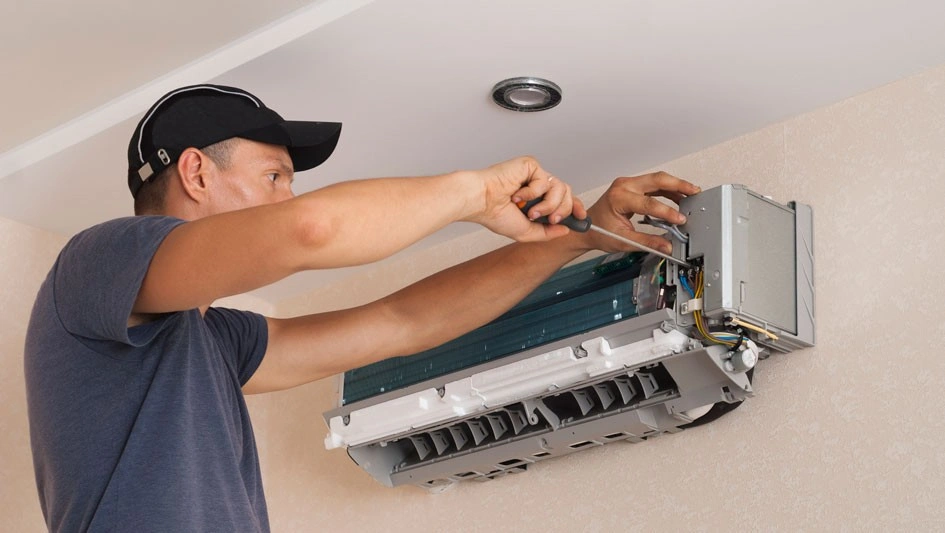
Choosing a mini split system—whether as a replacement for a broken unit or a new installation for a room addition—is a strategic move for homeowners looking for precise temperature control. Unlike central air systems that require invasive ductwork, a ductless mini split offers a streamlined approach to cooling. When you schedule a service, the goal is to minimize disruption to your daily life while maximizing the cooling output of your home.
The timeline for a mini split installation is significantly shorter than central HVAC retrofits. For a standard single-zone unit, the work is often completed in a few hours. Multi-zone systems, which connect one outdoor compressor to multiple indoor air handlers, may take a full day depending on the complexity of the line set runs. The scope of work includes removing old equipment if necessary, mounting the new hardware, establishing electrical connections, and ensuring the drainage system functions correctly.
A professional installation package includes several critical components to ensure longevity:
- Site Evaluation: A technician verifies the wall structure and outdoor clearance to ensure the unit operates quietly and efficiently.
- Equipment Sizing: Correctly calculating the BTU requirements based on the square footage and sun exposure of the room.
- Hardware Installation: Secure mounting of the indoor evaporator unit and the outdoor condenser unit.
- System protection: Installation of line set covers to protect refrigerant lines from UV damage and weather.
- Electrical Safety: Installation of a disconnect box and whip to meet National Electrical Code (NEC) standards.
- Debris Removal: Disposal of packaging materials and, in replacement scenarios, the environmentally safe disposal of the old unit and refrigerants.
Your Installation Step-by-Step
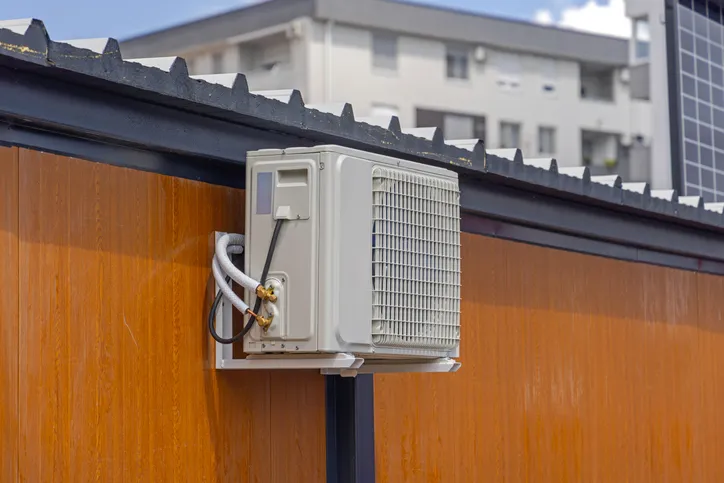
Understanding the mechanics of the installation helps you prepare your home for the technician's arrival. The process is designed to be clean and efficient, requiring only a small three-inch hole in the wall to connect the indoor and outdoor components. We utilize a strict protocol to ensure that every connection is sealed and every electrical component is grounded:
- Site Preparation and Mounting: The technician begins by locating the ideal position for the indoor air handler. This spot must be high on the wall for optimal air distribution but accessible for filter cleaning. A metal mounting plate is leveled and secured to the studs to support the weight of the unit. On the exterior, a concrete pad or wall bracket is prepared to hold the condenser unit above the ground, protecting it from dirt, splashing rain, and debris.
- Drilling and Line Set Routing: A precise hole is drilled through the exterior wall. It is drilled at a slight downward angle toward the outside. This is a critical detail that prevents rainwater from tracking back into the interior of the home and assists with condensate drainage. The technician then bundles the refrigerant lines, the drain tube, and the communication cable, feeding them through the wall to the exterior.
- Connecting the System: Once the lines are outside, they are connected to the outdoor compressor. The technician uses a flaring tool to create tight, leak-proof seals on the copper refrigerant lines. The drain line is routed away from the foundation to prevent water pooling. Electrical connections are made between the indoor unit, the outdoor unit, and the main power supply, utilizing a dedicated circuit to prevent overloading your home's electrical panel.
- Vacuuming and Pressure Testing: Before releasing refrigerant into the system, the technician performs a nitrogen pressure test to check for leaks. Following this, a vacuum pump is attached to the lines. This step removes all moisture and air from the copper pipes. Moisture inside the lines can freeze or react with the oil in the compressor to form acid, so this vacuum process is non-negotiable for system longevity.
- Final Startup and Calibration: The refrigerant valves are opened, and the system is powered on. The technician tests the unit in both cooling and heating modes, checking the airflow temperature differential to ensure it meets manufacturer specifications. They also verify that the condensate drain is flowing freely and that the remote control or wall thermostat is communicating correctly with the unit.
Deciding Between Repair and Replacement: A Quick Guide
Homeowners often struggle to decide whether to pour more money into an existing mini split or to invest in a new system. While ductless systems are durable, they do not last forever. In the coastal environment of Daytona Beach, salt air can accelerate wear and tear on outdoor components. Making the right financial decision requires analyzing the age of the unit against the cost of the necessary repairs.
If your current system is under five years old and the repair cost is minor—such as a failed sensor or a clogged drain line—repair is usually the most logical path. However, as the system ages, efficiency drops, and the likelihood of a secondary failure increases.
Consider replacement if you encounter the following scenarios:
- The 50% Rule: If the cost of the repair approaches or exceeds 50% of the cost of a brand-new unit, replacement is the better financial choice. A new unit resets the warranty clock and offers higher efficiency.
- Compressor Failure: The compressor is the heart of the system. If it fails after the parts warranty has expired, the cost of labor and parts combined usually outweighs the value of the old unit.
- Refrigerant Leaks: Older units that use phased-out refrigerants (like R-22) are incredibly expensive to recharge. If your system has developed a leak in the evaporator coil or condenser coil, patching it is often a temporary fix. Upgrading to a system with modern refrigerant (like R-410A or newer alternatives) is more sustainable and cost-effective.
- Inconsistent Performance: If the unit no longer dehumidifies the room effectively or struggles to reach the set temperature despite maintenance, the internal components are likely worn out. In a humid climate, the inability to control moisture can lead to mold growth in the room.
- Obsolete Parts: As models are discontinued, finding specific control boards or fan motors becomes difficult and expensive. If parts are on backorder for weeks, replacement provides an immediate solution.
Local Building Requirements and Seasonal Considerations
Installing HVAC equipment in Florida involves more than just hooking up wires. The local building department enforces strict codes to ensure that mechanical systems are safe and can withstand severe weather. When performing a mini split installation in Daytona Beach, compliance with wind-load calculations is mandatory. Because the outdoor condensers are exposed to high winds during hurricane season, they must be anchored securely.
- Permitting and Inspections: All HVAC replacements and new installations require a building permit. This process verifies that the electrical work meets the NEC and that the unit is sized correctly for the space. A final inspection by a city official ensures the work was done to code.
- Wind Restraints: Outdoor units must be mounted on hurricane-rated pads and secured with code-approved tie-downs or brackets. This prevents the unit from becoming a projectile or tipping over during tropical storms.
- Corrosion Protection: The coastal proximity means salt spray is a constant threat. We recommend units with anti-corrosive coatings on the condenser coils (often called "gold fin" or "blue fin" technology) to prevent rust and extend the lifespan of the equipment.
- Seasonal Efficiency (SEER2): Florida's long cooling season demands high efficiency. Federal regulations have updated the minimum efficiency standards (SEER2). Installing a higher SEER2 unit not only complies with the law but significantly reduces electricity bills during the peak heat of July and August.
- Electrical Upgrades: Many older homes in the area may not have a dedicated circuit available for a new HVAC system. Local codes require a disconnect switch within sight of the outdoor unit for safety during servicing.
- Rebate Eligibility: High-efficiency mini splits often qualify for rebates from local utility providers like Florida Power & Light (FPL) or federal tax credits. We ensure the equipment selected meets the criteria for these savings.
Why Choose Us? Our Commitments and Credentials
Selecting the right contractor is just as important as selecting the right brand of equipment. A poor installation can reduce the efficiency of a top-tier mini split by up to 30%. We prioritize technical precision and customer transparency. Our technicians are trained to handle the specific challenges of ductless technology, from flaring copper lines to programming advanced inverter boards.
We do not use subcontractors for our installations. Every technician is a vetted member of our team, carrying the necessary certifications to handle refrigerants and high-voltage electrical connections safely. We treat your home with respect, using drop cloths and shoe covers to ensure we leave the workspace cleaner than we found it.
- Licensed and Insured: We hold full state and local licensing, protecting you from liability.
- Accurate Sizing: We do not guess. We perform load calculations to ensure you get the exact amount of cooling needed—no more, no less.
- Clear Communication: You will receive a detailed explanation of the work to be performed, with no hidden fees or surprise charges.
- Post-Installation Support: We walk you through the operation of your new remote control, explain filter maintenance, and remain available for any future service needs.
By choosing Accu-Temp Heating and Air Conditioning, you are securing a partnership that extends beyond the installation day. We are committed to keeping your home cool and comfortable regardless of the weather outside.
Upgrade Your Home’s Comfort With a High-Efficiency Mini Split System
Florida’s heat and humidity shouldn’t dictate how comfortable you feel indoors. When your current cooling setup can’t keep up, a ductless mini split offers the precision, efficiency, and reliability your home needs—without invasive construction or long wait times. With expert installation and tailored solutions, Accu-Temp Heating and Air Conditioning delivers dependable cooling that’s built to withstand Daytona Beach’s toughest conditions.
Do not endure another day of sweltering heat or high humidity in your home. Take control of your indoor climate with a high-performance ductless system designed for your specific needs.
Call us now to schedule your mini split installation and start enjoying reliable comfort today.
Contact Us
Why Choose One Company for Everything?

Simplicity

Expertise

Savings
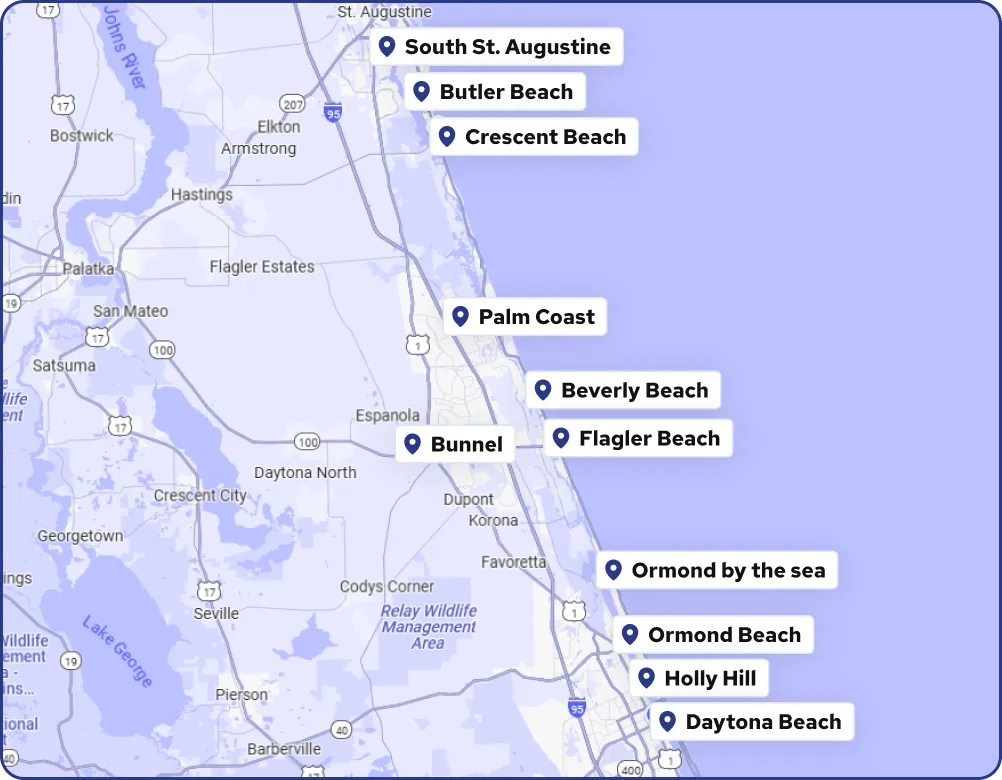
Service Areas