


Is Your Mini Split System Not Keeping Up?
Facing unexpected breakdowns or inefficiencies with your mini split system in Daytona Beach? You're not alone. Many residents experience similar issues, especially during the humid summer months when consistent cooling is non-negotiable. Whether you are dealing with a water leak, a unit that refuses to turn on, or airflow that feels lukewarm at best, immediate action is required to protect your home’s comfort levels. Call us today or inquire about our financing options to get your system back on track immediately.
We provide the targeted solutions you need:
- Restore your comfort fast with our same-day service options.
- Improve system efficiency and lower monthly bills with regular maintenance.
- Expert installations that maximize cooling and adhere to local codes.
All services are fully licensed, bonded, and insured for your peace of mind, with flexible financing available.
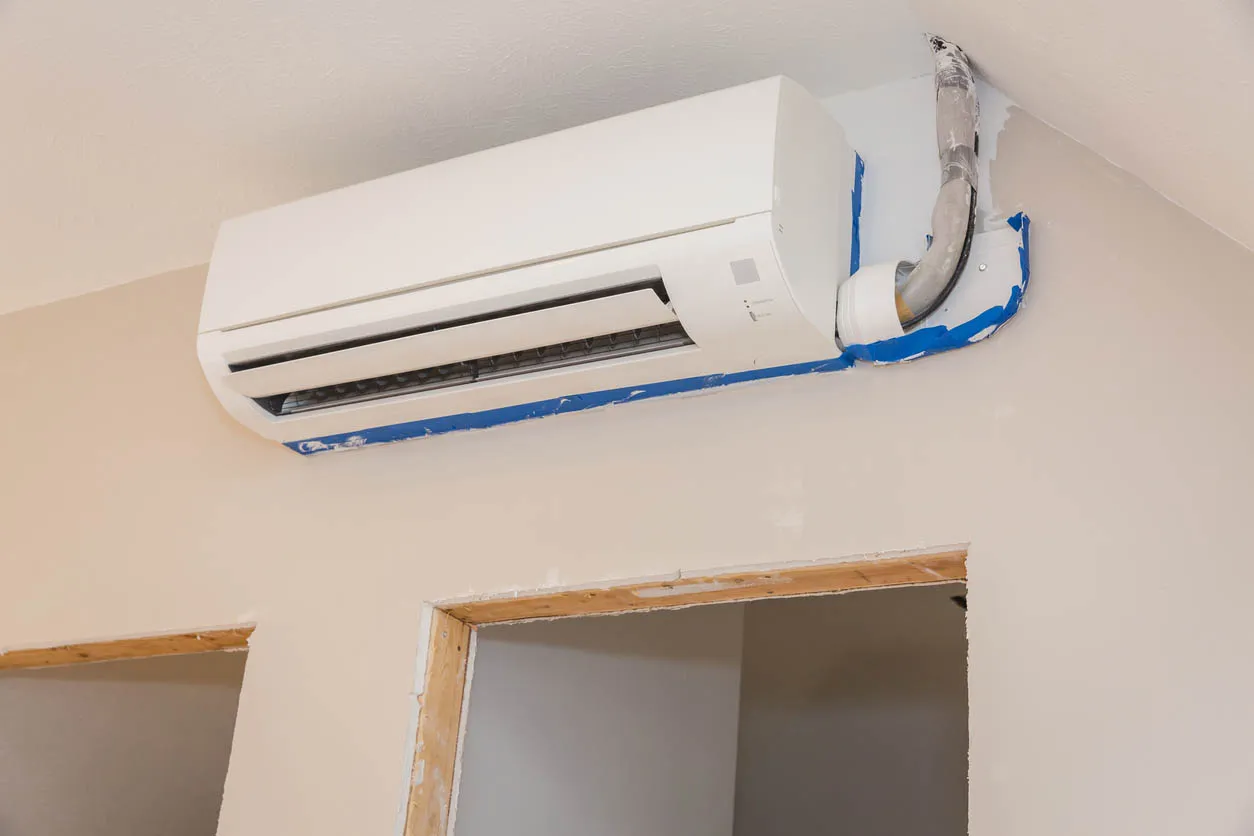
Comprehensive Ductless Mini Split Services
A ductless mini split offers superior efficiency and zoning capabilities, but it requires specialized attention different from central air systems. When a system falters, it is rarely a simple fix that a homeowner can manage without professional tools. The internal components are compact, electronic, and highly sensitive to debris and electrical fluctuations. Our service covers the full spectrum of needs, from emergency diagnostics to routine performance tuning.
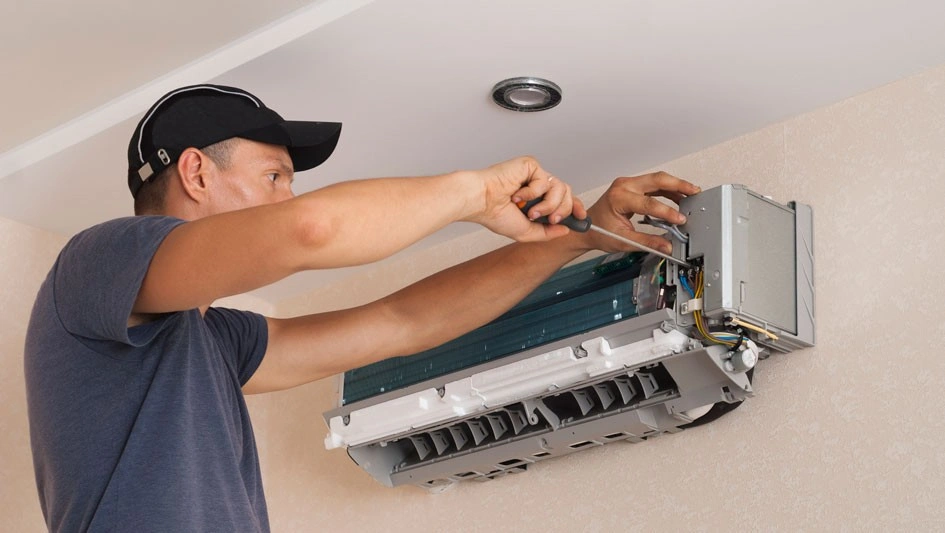
Precision Diagnostics and Repair
When your system fails, you need an accurate assessment immediately. We utilize advanced diagnostic tools to pinpoint the root cause of the failure. This prevents the "guessing game" that leads to unnecessary part replacements. We examine the error codes generated by the unit’s computer board, test thermistor resistance, and verify communication lines between the indoor and outdoor units.
Common issues we resolve include:
- Refrigerant Leaks: Low refrigerant causes the compressor to overheat and the evaporator coil to freeze. We locate the leak, repair the line set, and recharge the system to factory specifications.
- Control Board Failures: Mini splits rely heavily on electronics. Power surges or age can burn out control boards. We replace these components and test logic functions to ensure the unit responds to your remote.
- Sensor Malfunctions: If your unit runs but doesn't cool to the set temperature, air or coil sensors may be misreading data. We recalibrate or replace these sensors to restore accurate temperature control.
- Drainage Issues: In high-humidity environments, the condensate drain can clog with algae or mold, leading to water damage on your walls. We clear blockages and treat the line to prevent future growth.
Deep Cleaning and Maintenance
Maintenance is the difference between a system that lasts five years and one that lasts fifteen. Because mini splits do not use ductwork, the indoor air handler is located directly in your living space. This means dust, pet dander, and mold spores accumulate directly on the blower wheel and evaporator coil.
Our deep cleaning process involves:
- Blower Wheel Cleaning: We remove the blower wheel to strip away built-up grime. A dirty blower wheel spins slower, moves less air, and forces the motor to work harder, eventually leading to motor burnout.
- Coil Sanitization: The evaporator coil is wet during operation, making it a breeding ground for biological growth. We use specialized, non-corrosive chemical cleaners to strip away biofilm and improve heat transfer.
- Filter Wash and Replacement: While homeowners can clean standard filters, we address the secondary filtration systems often neglected, ensuring maximum air quality.
- Electrical Tightening: Vibrations can loosen electrical connections over time, leading to arcing or intermittent power loss. We torque all connections to safety standards.
Our Approach to Mini Split Installation and Repair
The functionality of a ductless system is heavily dependent on the quality of the installation and the methodology used during repairs. Unlike window units, these are permanent fixtures that require structural and electrical integration into your home. We follow a rigorous protocol to ensure every job meets manufacturer specifications and local building codes.
The Installation Process
A successful installation begins before the equipment arrives. We assess the specific heat load of the room or zone. This is not a guess; it is a calculation based on square footage, insulation levels, window direction, and ceiling height. Installing a unit that is too large will cause it to short-cycle, leading to humidity issues, while a unit that is too small will run continuously without ever reaching the set temperature.
The steps we take include:
- Site Selection: We determine the optimal wall placement for the indoor unit to ensure even air distribution and proper drainage. For the outdoor condenser, we select a location that allows for adequate airflow and service access.
- Line Set Management: We drill a precise hole for the refrigerant lines and drain tube. The lines are insulated, wrapped, and protected with line-hide covers to maintain the aesthetic appeal of your home’s exterior.
- Pressure Testing: Before releasing refrigerant, we pressure test the lines with nitrogen. This ensures there are absolutely no leaks in the flare connections or brazed joints.
- Vacuum Evacuation: We pull a deep vacuum on the lines to remove all moisture and non-condensables. Moisture inside the lines is the enemy of a mini split, as it turns into acid that eats away at the compressor windings.
The Repair Workflow
When you call for a repair, our goal is to minimize downtime. We arrive with stocked trucks containing common parts like capacitors, sensors, and condensate pumps.
- Assessment: The technician listens to the unit, observes operation, and connects gauges to read pressures.
- Proposal: We provide a clear explanation of the failure and a flat-rate quote for the repair. You know exactly what the cost will be before work begins.
- Execution: We perform the repair using OEM or high-quality equivalent parts.
- Verification: We do not leave until we verify the discharge air temperature and ensure the unit is cycling properly.
Repair vs. Replacement: Making the Right Call
Deciding between repairing an existing unit and investing in a new system is a common dilemma. While our priority is to extend the life of your current equipment, there are mathematical and practical tipping points where replacement becomes the more financial savvier option. Accu-Temp Heating and Air Conditioning helps you navigate this decision with honest assessments based on the condition of your specific unit.
When to Repair
If your system is under ten years old and has been well-maintained, repair is usually the best route.
- Minor Component Failure: If a single part like a fan motor or sensor has failed, but the compressor is healthy, a repair restores full functionality at a fraction of the replacement cost.
- Warranty Coverage: Many mini splits come with extended parts warranties. If your unit is still under warranty, the cost of repair may be limited to labor and refrigerant.
- Performance is Generally Good: If the unit has historically cooled well and the breakdown is an isolated incident, repair is logical.
When to Replace
Technology in the HVAC industry moves fast. Systems manufactured over a decade ago lack the inverter technology and efficiency ratings of modern units.
- Compressor Failure: The compressor is the heart of the system. If it fails and the unit is out of warranty, the cost of the compressor plus labor often approaches the cost of a brand-new outdoor unit.
- The 50% Rule: If the cost of the repair exceeds 50% of the cost of a new system, replacement is generally recommended.
- R-22 Refrigerant: If your older unit utilizes R-22 refrigerant (Freon), repairs involving refrigerant are prohibitively expensive and environmentally obsolete. Modern systems use R-410A or newer alternatives which are more efficient and readily available.
- Recurring Issues: If you are calling for repairs multiple times a year, the cumulative cost is better spent on a reliable, new system with a fresh warranty.
Navigating Daytona Beach Climate and Regulations
Operating HVAC equipment in Florida presents unique challenges that generic advice does not cover. The environment here is aggressive toward mechanical equipment, and local regulations are strict regarding installation and efficiency standards:
Combatting Humidity and Salt Corrosion
Daytona Beach features a humid subtropical climate. The air is heavy with moisture, particularly from June through August. Mini splits are excellent at dehumidification, but only when functioning correctly.
- Latent Heat Removal: Your system must work harder to remove humidity (latent heat) than it does to lower the temperature (sensible heat). If a unit is dirty or low on refrigerant, it loses its ability to dehumidify, leaving your home feeling cold but clammy.
- Corrosion Protection: The proximity to the ocean introduces salt spray into the air. This salt accelerates corrosion on the aluminum fins of the outdoor condenser. We recommend and apply anti-corrosive coatings and advise on regular rinsing of the outdoor coil to extend the lifespan of the equipment in this coastal environment.
Permits and Local Codes
HVAC work is regulated for safety and environmental reasons.
- Permitting: Replacing a system or installing a new one often requires a building permit. This ensures the electrical circuits are sized correctly for the load and that the unit is anchored properly to withstand wind loads during storms. We handle the permitting process so you remain compliant.
- Drainage Codes: Local codes dictate where condensate water can be discharged. It cannot simply drip onto a walkway where it creates a slip hazard or algae growth. We pipe drain lines away from foundations and foot traffic areas.
Why Professional Service Matters
In the era of DIY videos, it can be tempting to attempt fixes on your own. However, ductless systems involve high-voltage electricity and high-pressure refrigerant gases. Professional service ensures safety, efficiency, and longevity:
Safety and Liability
Working on a mini split involves exposure to 240-volt electrical circuits. A mistake here can cause injury or fire. Furthermore, mishandling refrigerant is a violation of EPA regulations. Our technicians are trained to handle these hazards safely, protecting your home and your family.
Protecting Your Warranty
Most manufacturers require proof of professional installation and regular professional maintenance to honor their warranties. Attempting a repair yourself or hiring an unlicensed handyman can void the manufacturer’s warranty immediately. We provide documentation of all services rendered, ensuring your warranty remains valid.
Long-Term Efficiency
A system that is "working" is not necessarily working efficiently. A unit with a slightly low refrigerant charge or a dirty blower wheel might cool the room, but it will consume significantly more electricity to do so. Our precise tuning ensures you get the energy savings you paid for when you bought the system.
Secure Your Comfort Today
Your home comfort system is essential, not optional. Delays in service can lead to extensive water damage from leaks, increased electrical costs, or total system failure during the hottest part of the year. Do not settle for lukewarm air or humidity issues that compromise your indoor air quality.
We are ready to diagnose your issue, offer a clear solution, and restore your mini split to peak performance. Accu-Temp Heating and Air Conditioning is committed to keeping your home cool and efficient regardless of the weather outside — contact us today.
Don't wait for the heat to take over. Schedule your service now.
Contact Us
Why Choose One Company for Everything?

Simplicity

Expertise

Savings
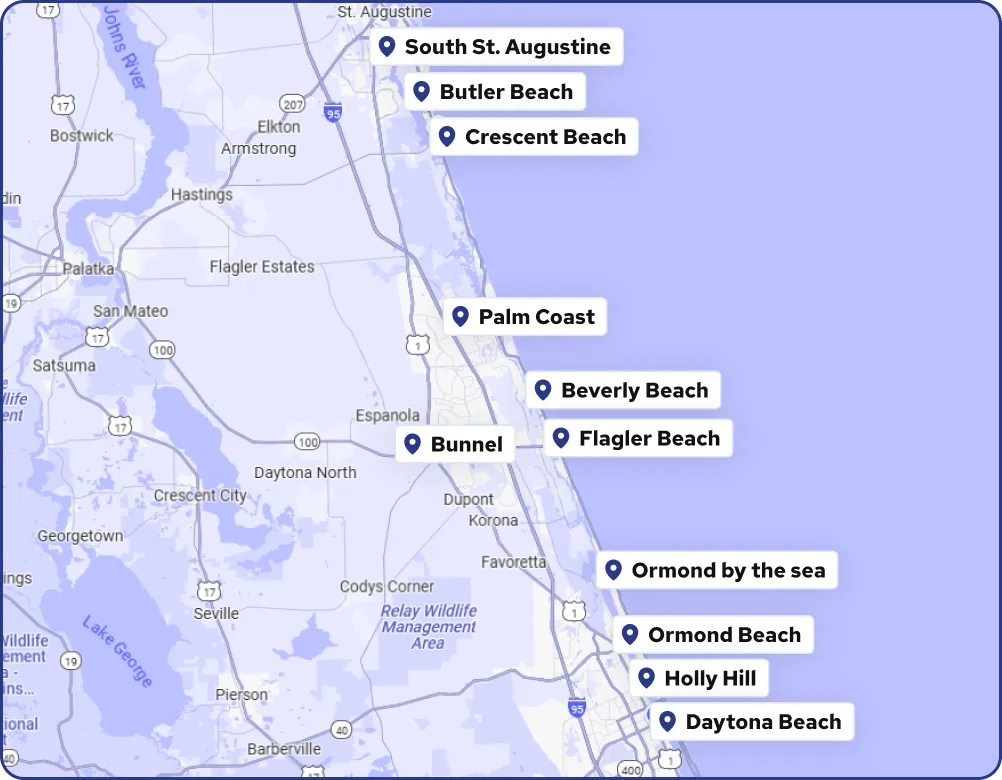
Service Areas