



Battling the intense humidity and heat typical of Daytona requires a dependable, efficient air conditioning solution that does not rely on cumbersome ductwork. Ensure your home remains a sanctuary against the subtropical climate with expert mini-split installation and timely replacement services. Contact us today at [Insert Phone Number] or ask about our flexible financing options to restore your comfort immediately.
- Quick installation protocols designed to get your system running in as little as one day.
- Enhanced cooling efficiency and reduced energy bills using the latest ductless technology.
- Full compliance with local building codes to ensure safety during extreme weather and hurricane seasons.
- All installations are compliant with local codes, fully warranted, and financing options are available.
Specialized Ductless Cooling Solutions for Coastal Homes
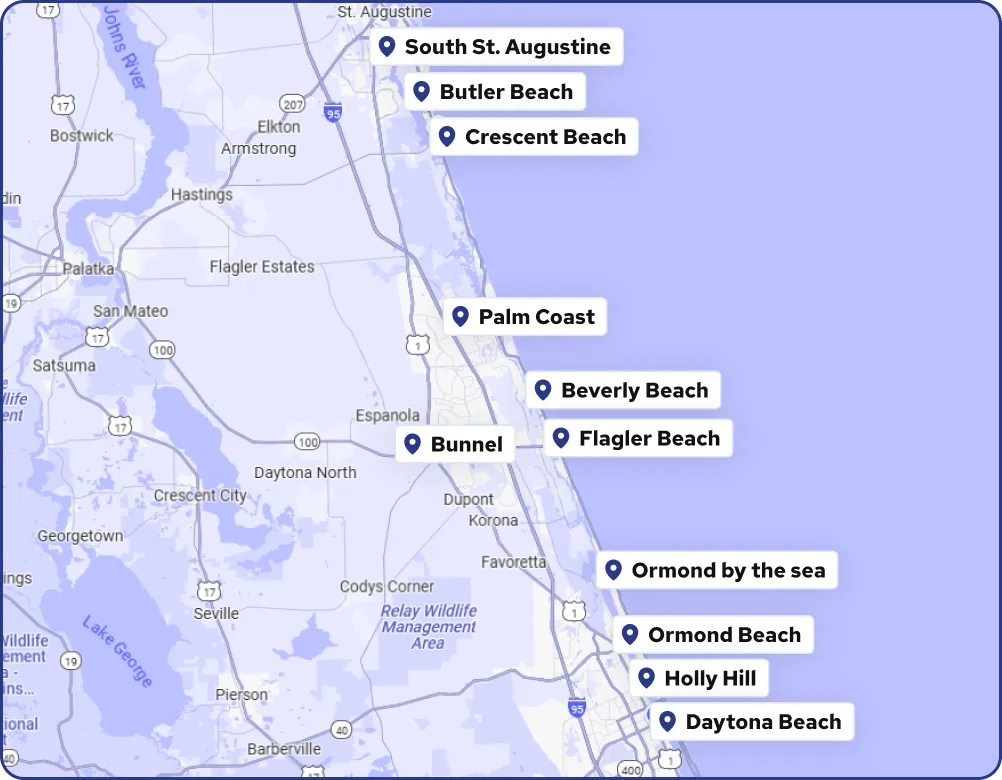
Homeowners in Volusia County face unique challenges when it comes to climate control. Between the salt air, high humidity, and the occasional tropical storm, your cooling equipment must be robust and correctly installed. A ductless mini-split system offers a streamlined approach to comfort, bypassing the energy loss associated with traditional central ductwork. This is particularly valuable in older coastal homes where retrofitting ducts is impossible, or for room additions that require independent climate control.
When you schedule a service, the goal is immediate relief and long-term reliability. The focus remains on high-efficiency equipment that combats the sweltering heat without driving up electrical costs. Modern mini-split systems offer variable-speed compressors that adjust cooling output in real-time, maintaining precise temperatures while removing excess moisture from the air—a critical function for preventing mold growth in humid environments.

Scope of Installation and Replacement Services
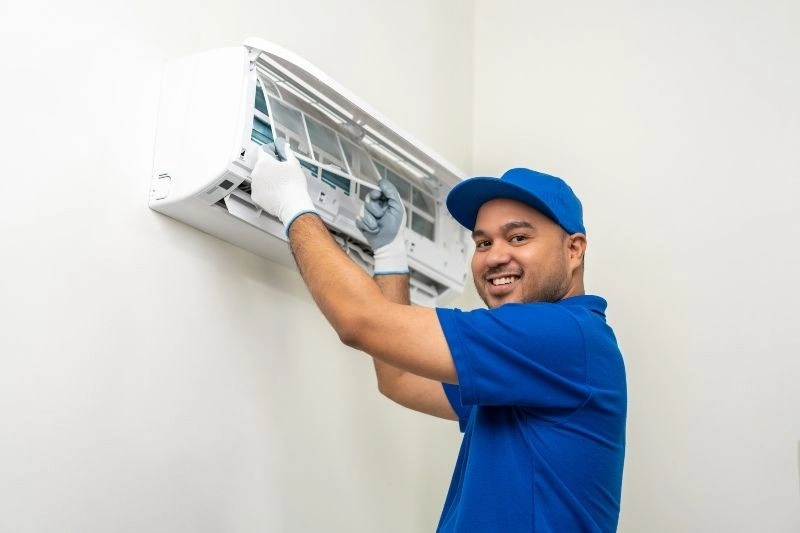
The installation process is significantly less invasive than central HVAC systems, but it requires precision handling of refrigerant lines and electrical components. The service includes a comprehensive assessment of the specific zone or zones requiring treatment. Whether replacing an aging unit that struggles to keep up or installing a brand-new multi-zone system, the service covers every technical aspect required to turn the power on.
- System Sizing and Selection: Performing load calculations to ensure the unit is neither too small (which causes constant running) nor too large (which leads to short-cycling and poor humidity control).
- Structural Mounting: Securely affixing indoor air handlers to walls or ceilings and mounting outdoor condensers on hurricane-rated pads to withstand high winds.
- Electrical Integration: Establishing dedicated circuits and disconnect boxes as required by safety codes.
- Line Set Management: Concealing and insulating refrigerant lines and drainage pipes for a clean aesthetic and protection against the elements.
The Professional Installation Process: Step-by-Step
Installing a mini-split system is a technical procedure that demands adherence to manufacturer specifications and safety regulations. Improper installation is the leading cause of premature system failure and inefficiency. A professional approach ensures that the equipment operates at its rated SEER (Seasonal Energy Efficiency Ratio) and provides reliable comfort for years.
The workflow is designed to minimize disruption to your home while ensuring a watertight, airtight, and code-compliant result.
- Site Evaluation and Load Calculation: The process begins with a manual load calculation. This determines the exact BTU capacity needed for the specific room or area. Technicians evaluate insulation levels, window exposure, room size, and heat-generating appliances. This step prevents the installation of undersized units that fail to cool or oversized units that leave the room clammy and humid.
- Mounting the Indoor Air Handler: Next, the technician locates a structural stud or uses appropriate anchors to mount the backplate for the indoor unit. This unit must be perfectly level to ensure proper drainage of condensate water. The location is chosen to maximize airflow distribution throughout the room while remaining accessible for filter cleaning and maintenance.
- Drilling and Wall Penetration: A roughly three-inch hole is drilled through the exterior wall to connect the indoor and outdoor components. Professional installers angle this hole slightly downward toward the exterior to facilitate gravity drainage. A sleeve is inserted to protect the lines and seal the opening, preventing pests and moisture from entering the home.
- Outdoor Condenser Setup: The outdoor unit is arguably the most critical component for durability in Florida. It is placed on a composite or concrete pad designed to prevent sinking and vibration. In coastal areas like Daytona, tie-downs or brackets are often used to secure the unit against strong winds. The technician ensures adequate clearance around the unit for airflow and heat dissipation.
- Connecting Refrigerant Lines and Wiring: Copper refrigerant lines, communication wires, and the drain hose are bundled and fed through the wall penetration. The technician flares the copper tubing with precision tools to create a leak-proof seal at both connection points. Electrical connections are torqued to specification to prevent arcing or overheating.
- Vacuum and Pressure Testing: Before releasing refrigerant, the lines are pressure-tested with nitrogen to identify potential leaks. Following this, a vacuum pump removes all moisture and air from the lines. This step is non-negotiable; moisture inside the system reacts with oil to form acid, which destroys the compressor.
- System Start-Up and Commissioning: Finally, the refrigerant is released, and the system is powered on. Technicians measure temperature differentials (Delta T) and check amperage draws to verify the system is operating within factory parameters before cleaning up the workspace.
Deciding Between Repair and Replacement
Determining whether to sink more money into an existing mini-split or invest in a new system is a common financial decision. Ductless systems are durable, but they are not immortal. Knowing the tipping point helps homeowners avoid throwing good money after bad.
When to Repair
If the system is under ten years old and the warranty is still active, repair is usually the first route — schedule ac repair. Minor issues often do not threaten the longevity of the unit.
- Clogged Drain Lines: If the unit is leaking water indoors, it is typically a simple maintenance issue involving clearing the condensate line or pump.
- Capacitor or Board Failures: Electrical components can fail due to power surges. If the compressor is healthy, replacing a control board or start capacitor is cost-effective.
- Minor Refrigerant Leaks: If a leak is located at a flare connection that can be easily tightened or re-flared, repair is viable.
When to Replace
Replacement becomes the smarter financial move when the cost of operation rises, or catastrophic component failure occurs on an out-of-warranty unit.
- Compressor Failure: The compressor is the heart of the system. If it seizes or shorts out on a unit older than 10 years, the cost of the part and labor usually approaches or exceeds 50% of the cost of a new system.
- R-22 Refrigerant: If your older unit utilizes R-22 (Freon), it is obsolete. R-22 is no longer produced, making recharge costs exorbitant. Upgrading to a system using R-410A or newer refrigerants is necessary.
- Frequent Breakdowns: If the system requires multiple repairs in a single year, or if "nickel and dime" repairs are adding up, reliability has been compromised.
- Declining Efficiency: Older units may have SEER ratings of 10 or 12. Modern mini-splits often exceed 20 SEER. The energy savings alone can often offset the monthly cost of financing a new unit.
Local Considerations: Permits, Climate, and Codes
Operating in Volusia County involves navigating specific regulatory and environmental landscapes. Installing a mini-split is considered a construction alteration because it involves electrical work and changes to the building envelope.
- Permitting Requirements: Local municipalities strictly enforce permitting for HVAC installations. A permit ensures that the electrical circuits are sized correctly to prevent fire hazards and that the unit is anchored properly. Unpermitted work can lead to fines, issues when selling the home, and the voiding of manufacturer warranties. Professional providers handle the entire permitting process, from application to final inspection.
- Hurricane Preparedness: The outdoor units of mini-split systems must be secured to withstand high-velocity winds. Local codes dictate specific anchoring methods to ensure the condenser does not become a projectile during a storm. This often involves steel strapping or bolting the unit to a concrete pad.
- Corrosion Protection: The salt air in coastal regions accelerates corrosion on the aluminum fins of the condenser coil. High-quality installations in this area often recommend units with special anti-corrosive coatings (often called "gold fin" or "blue fin" technology) to extend the lifespan of the equipment against the harsh salt spray.
- Electrical Standards: Modern codes usually require a dedicated electrical disconnect box located within sight of the outdoor unit for safety during servicing. Additionally, locking caps on refrigerant ports are often required to prevent unauthorized access or inhalation of refrigerant.
Technical Advantages of Multi-Zone Configurations
While single-zone units are perfect for a garage conversion or a sunroom, multi-zone mini-splits offer a whole-home solution. One outdoor compressor can support up to eight indoor air handlers. This allows for true zoning, where every room can be set to a different temperature.
- Independent Comfort Control: Occupants in different rooms can customize their environment. If the living room needs to be 72°F but the bedroom needs to be 68°F, the system accommodates both simultaneously without conflict.
- Energy Conservation: In a traditional central system, you must cool the entire house even if you are only using one room. With a multi-zone mini-split, you can turn off units in unoccupied rooms, drastically reducing energy consumption.
- Inverter Technology: The outdoor units utilize inverter-driven compressors. Instead of turning fully on or fully off (which causes energy spikes), these compressors ramp up or down to match the exact heating or cooling load. This results in stable temperatures and minimal electricity waste.
Ensuring Long-Term Performance
Accu-Temp Heating and Air Conditioning prioritizes the technical integrity of every installation. The longevity of a mini-split system is directly tied to the quality of the installation. A rushed job with poor flares or inadequate vacuuming will result in leaks and compressor burnout within a few years. A precise, professional installation ensures the equipment runs quietly and efficiently for over a decade.
Choosing the right partner for your mini-split installation means selecting a team that understands the intersection of advanced HVAC technology and local environmental demands. From calculating the precise BTU load to navigating the permit office, the focus is on delivering a turnkey solution that solves your cooling problems immediately.
Don't let the heat compromise your comfort or safety. Secure your home with a high-efficiency cooling system designed for the Florida climate.
Ready to upgrade your home comfort with a reliable mini-split system? Schedule your consultation or call us now for immediate service.
Contact Us
Why Choose One Company for Everything?

Simplicity

Expertise

Savings
Service Areas