


Facing unexpected mini split failures amidst Daytona’s humid weather? Accu-Temp Heating and Air Conditioning ensures your system is back to efficient operation fast. Contact us immediately to schedule a diagnostic visit or inquire about financing options for major repairs.
- Same-day repair services to restore your comfort quickly.
- Transparent pricing with no hidden fees.
- Energy-efficient solutions that reduce ongoing costs.
All services are fully licensed, with extended warranties and flexible financing available.
What to Expect From Professional Mini Split Diagnostics
When a ductless system fails in a coastal environment, the root cause is often hidden behind complex electronics or environmental wear. Unlike traditional central HVAC systems, mini splits rely on sophisticated inverter technology and individual air handlers that require specialized diagnostic tools. The immediate priority is accurate fault isolation to prevent recurring breakdowns.
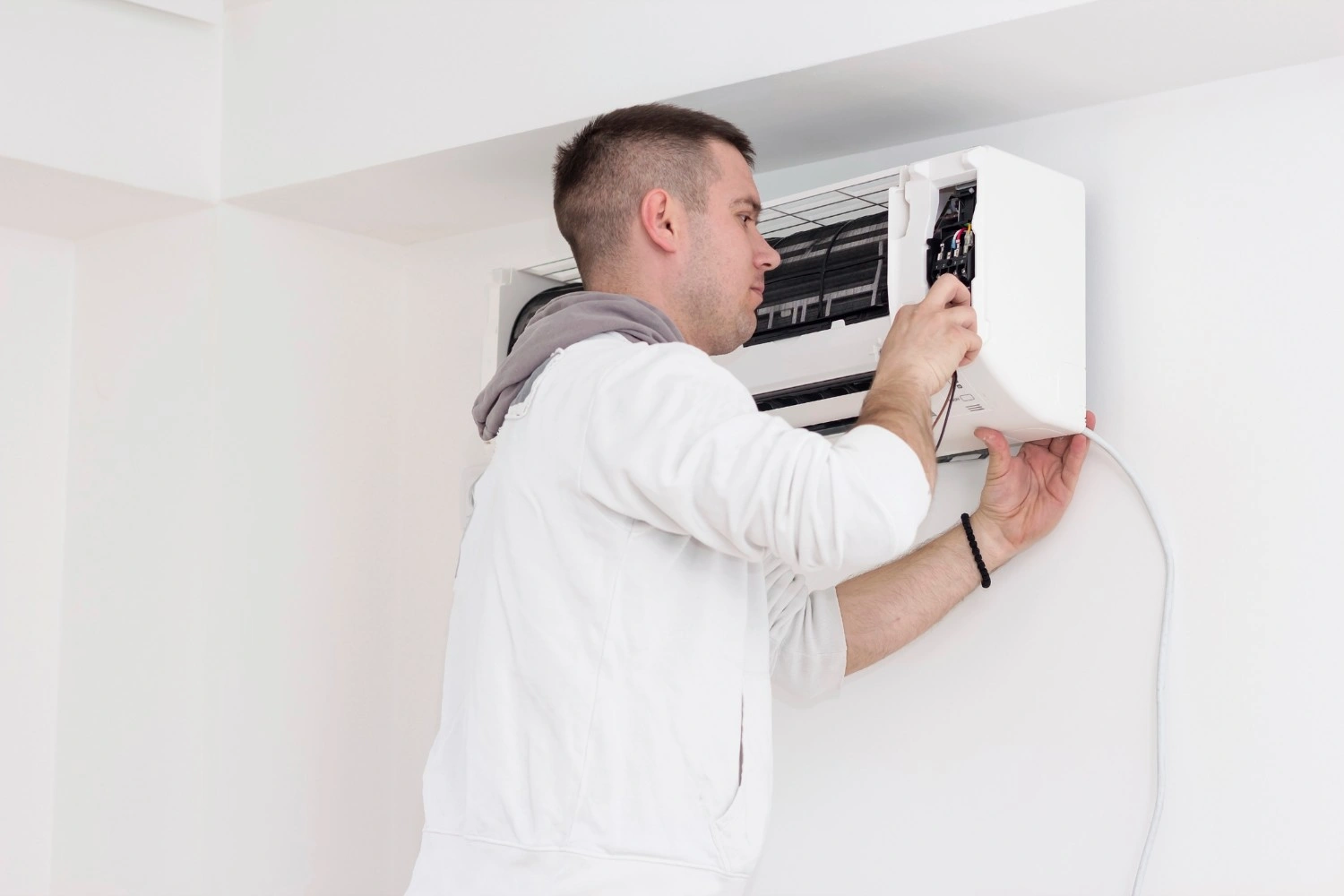
Upon arrival in Daytona, technicians focus on the immediate behavior of the indoor and outdoor units. The diagnostic phase involves communicating directly with the system’s internal computer board. Modern ductless units utilize error codes that provide a baseline for troubleshooting, but these codes are only the starting point. Physical inspection of the refrigerant lines, electrical connections, and drainage systems is required to validate what the sensors are reporting.
Service visits are designed to be decisive. You receive a clear explanation of the failure, the required parts, and the timeline for restoration. Whether the issue stems from a communication error between the indoor and outdoor units or a mechanical failure within the compressor, the goal is to resolve the problem in a single visit whenever possible. Trucks are stocked with universal parts and brand-specific components common to the region to minimize downtime.
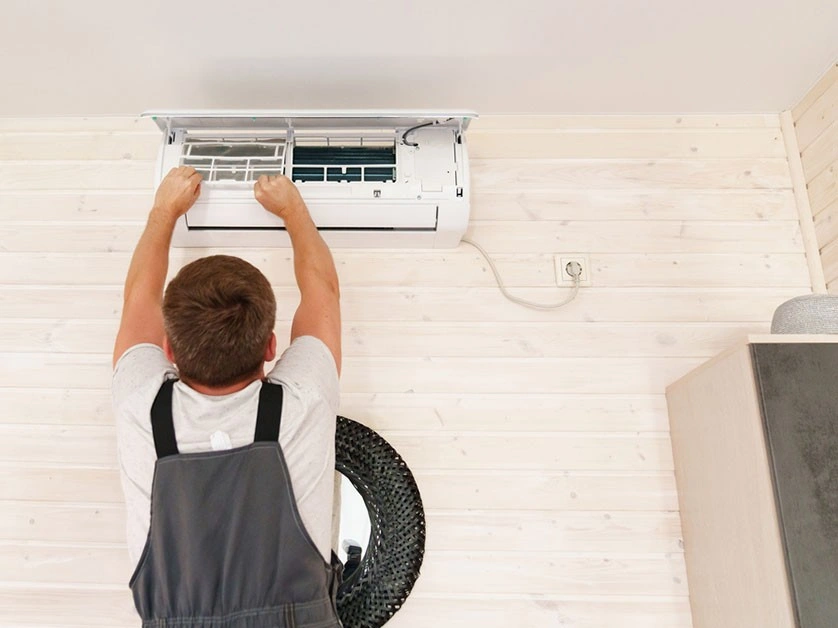
Critical Components We Inspect and Repair
Ductless systems are precision machines that demand high tolerances for operation. A slight variance in refrigerant pressure or voltage can shut down the entire system to protect the compressor.
- Inverter Compressor Boards: The heart of a mini split is the inverter, which modulates speed to save energy. Power surges or age can damage the printed circuit board (PCB), causing the system to stop cooling.
- Refrigerant Lines and Flare Connections: Mini splits use high-pressure refrigerant. Leaks frequently occur at the flare connections due to thermal expansion and contraction or salt air corrosion common in coastal areas.
- Electronic Expansion Valves (EEV): This component regulates the flow of refrigerant. If it seizes or fails, the unit cannot cool or heat effectively.
- Blower Wheels and Fan Motors: Accumulated dust and mold can unbalance the blower wheel, leading to vibration, noise, and eventual motor burnout.
- Condensate Drain Pumps: Many wall-mounted units rely on gravity, but ceiling cassettes often use pumps. If these pumps fail or the lines clog with algae, the unit will shut off to prevent water damage.
- Thermistors and Sensors: These temperature sensors tell the unit how to operate. If a thermistor provides a false reading, the system may short-cycle or refuse to turn on.
The Repair Process: Step-by-Step Restoration
Restoring a mini split involves a systematic approach that ensures safety and longevity. The process moves from electrical analysis to mechanical repair, followed by rigorous testing.
- System Isolation and Electrical Safety: Technicians first disconnect power to safe-guard the equipment. They inspect the disconnect box and electrical whip for signs of arcing or overheating, which are common in high-humidity environments.
- Error Code Retrieval: Using the manufacturer’s specific interface or remote sequence, technicians retrieve the fault history. This data helps correlate the current symptom with past performance issues.
- Component Testing: Using multimeters, technicians test the resistance of the compressor windings, the capacitance of start components, and the integrity of the communication wire.
- Refrigerant Analysis: Gauges are attached to measure operating pressures and line temperatures (superheat and subcooling). This confirms if the charge is correct or if a leak exists.
- Leak Detection: If low refrigerant is suspected, technicians use electronic leak detectors or nitrogen pressure tests to locate the breach. This is critical for preventing future coolant loss.
- Part Replacement and Calibration: Once the faulty component is identified, it is replaced. For refrigerant repairs, the system is vacuumed to remove moisture before being recharged to factory specifications.
- Performance Verification: The system is powered on and run at maximum capacity. Technicians verify the temperature differential (Delta T) between intake and exhaust air to ensure optimal cooling capacity.
Troubleshooting Common Ductless System Issues
Before a professional arrives, understanding the symptoms can help expedite the repair process. Ductless systems exhibit specific behaviors when they are struggling.
- Water Leaking Down the Wall: This is the most common service call. It usually indicates a clogged condensate drain line. In humid climates, algae and mold grow rapidly in the drain pan, blocking the flow of water. It can also indicate that the unit is slightly off-level.
- Unit Blows Warm Air: If the indoor unit is running but the air is not cold, the issue is often a refrigerant leak or a compressor failure. It can also happen if the system is accidentally set to "Fan" mode instead of "Cool."
- Strange Noises (Popping or Cracking): Plastic housing expands and contracts with temperature changes, causing popping sounds. However, grinding or screeching noises indicate motor bearing failure or a fan blade hitting debris.
- Unresponsive Remote Control: If the batteries are fresh but the unit does not respond, the infrared receiver on the indoor unit may be faulty, or the main logic board may have failed.
- Smell of Mildew or Mold: This indicates microbial growth on the evaporator coil or blower wheel. It requires a deep cleaning service (often called a "bib kit" cleaning) rather than a mechanical repair.
Repair vs. Replacement: Making the Financial Decision
Deciding whether to repair an aging mini split or invest in a new system depends on the unit’s history and the cost of the current repair. Ductless systems generally have a lifespan of 12 to 15 years, but coastal conditions can shorten this window.
- The 50% Rule: If the cost of the repair approaches 50% of the cost of a new installation, replacement is generally the wiser financial choice. Major failures like a compressor burnout or multiple leaking coils often fall into this category.
- Refrigerant Type: Older systems using R-22 refrigerant are obsolete. Repairing these units is prohibitively expensive due to the scarcity of the refrigerant. If your system uses R-22, replacement is the only viable long-term option.
- Frequency of Breakdowns: If the system has required multiple repairs in the last two years, it indicates that internal components are degrading collectively. Continued repair becomes a sunk cost.
- Warranty Status: Check if the unit is still under the manufacturer's parts warranty. Major brands often offer 5 to 7-year warranties on compressors and parts. If the warranty is valid, repair is usually the best path.
- Efficiency Gains: Newer models offer significantly higher SEER ratings. Replacing a 10-year-old unit with a modern system can result in noticeable energy savings, effectively offsetting the monthly cost of financing a new unit.
Addressing Coastal Corrosion and Environmental Factors
Daytona presents a specific set of challenges for HVAC equipment due to the proximity to the Atlantic Ocean. Salt laden air is highly corrosive to aluminum and copper, the two primary metals used in mini split coils.
- Galvanic Corrosion: When salt connects dissimilar metals, it accelerates rust and degradation. This leads to "pinhole leaks" in the outdoor condenser coils.
- Circuit Board Protection: Humidity and salt can penetrate the outdoor unit's casing, corroding the delicate solder joints on the inverter board.
- Storm Prep and Mounting: During tropical storms or hurricanes, outdoor units must be securely anchored. Wall brackets and concrete pads must meet local wind load codes to ensure the unit remains stationary during high winds.
- Protective Coatings: For new repairs or replacements, applying an anti-corrosive coating to the coils can extend the life of the repair. Technicians check the integrity of existing coatings during service calls.
Local Permitting and Regulation Compliance
Repairing HVAC equipment involves adherence to Florida building codes and environmental regulations. Professional service ensures that all work is compliant, protecting the homeowner from liability and ensuring system safety.
- Refrigerant Handling: EPA regulations strictly govern the handling, recovery, and disposal of refrigerants. Venting refrigerant into the atmosphere is illegal and harmful. Certified technicians use recovery machines to capture old refrigerant safely.
- Electrical Permits: Major electrical repairs or the installation of new disconnect boxes may require local permits. This ensures that the wiring can handle the load and reduces fire risk.
- Change-out Inspections: If a repair turns into a full system replacement, a municipal inspection is often required to close out the permit. This third-party verification ensures the installation meets all safety and energy codes.
Differentiators in Mini Split Service
Not all HVAC contractors are proficient in ductless technology. These systems require specific training that differs from standard forced-air knowledge. Accu-Temp Heating and Air Conditioning prioritizes specialized training for ductless configurations.
- Stocked Service Vehicles: Technicians arrive with the most common sensors, control boards, and motors. This reduces the need for supply house runs and gets the system running faster.
- Deep Cleaning Capabilities: Repair often involves cleaning. Technicians are equipped with the specialized bibs and pressure washers needed to clean blower wheels without damaging the surrounding drywall or flooring.
- Advanced Diagnostics: Utilization of digital manifolds and psychrometric tools allows for precise tuning of the system, ensuring it operates at peak efficiency rather than just "running."
Maintenance to Prevent Future Failures
Once a repair is completed, the focus shifts to prevention. The longevity of a mini split is directly tied to maintenance frequency.
- Filter Maintenance: Ductless filters are small and clog easily. They should be washed every two to four weeks depending on usage. Clogged filters restrict airflow, causing the system to overwork and freeze up.
- Coil Cleaning: The indoor and outdoor coils must be kept free of debris. Outdoor units can get clogged with grass clippings, sand, and salt, reducing their ability to release heat.
- Drain Line Flushing: Regular flushing of the condensate line prevents algae buildup and water leaks. This is especially important before the peak cooling season begins.
- Professional Tune-Ups: Annual maintenance by a licensed professional checks refrigerant levels, electrical tightness, and overall system health, catching small issues before they become emergency repairs.
Restore Your Comfort Today
A broken mini split disrupts your home and leaves you battling the heat and humidity. Waiting on a repair can lead to further system damage and increased discomfort. Professional intervention diagnoses the specific electrical or mechanical failure and provides a definitive solution. Whether it is a simple sensor replacement or a complex compressor repair, expert service restores the quiet, efficient cooling you expect from your ductless system.
Get your system running correctly. Schedule your repair service now.
Contact Us
Why Choose One Company for Everything?

Simplicity

Expertise

Savings
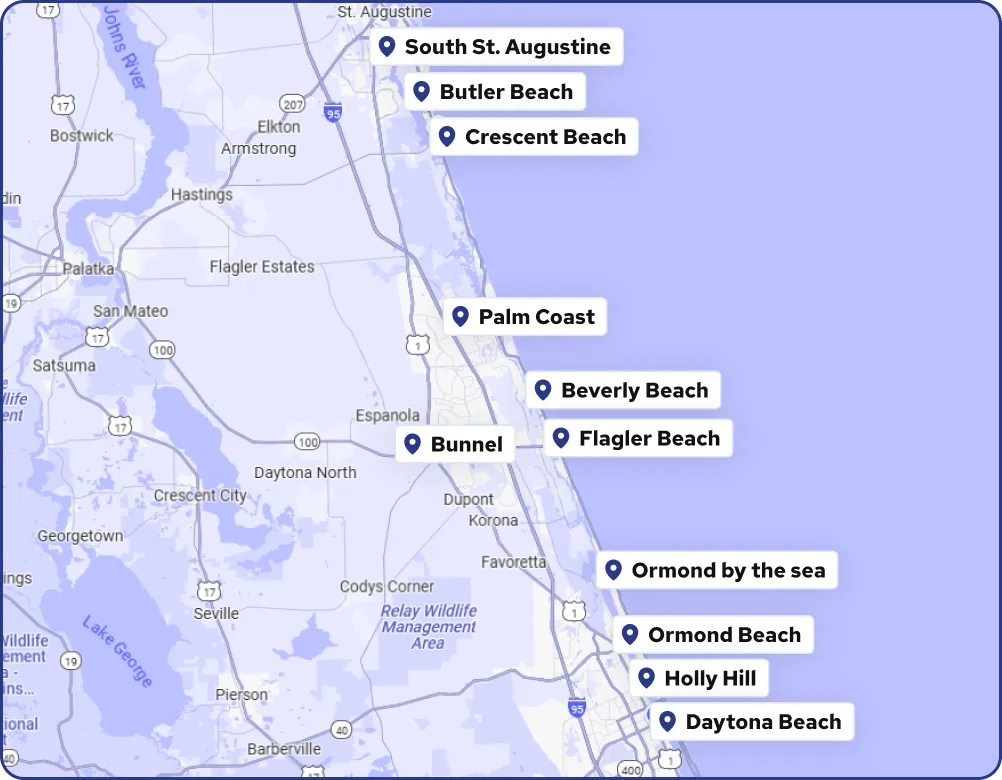
Service Areas