



How a Heat Pump Actually Works (And Why It Matters for Your Home)
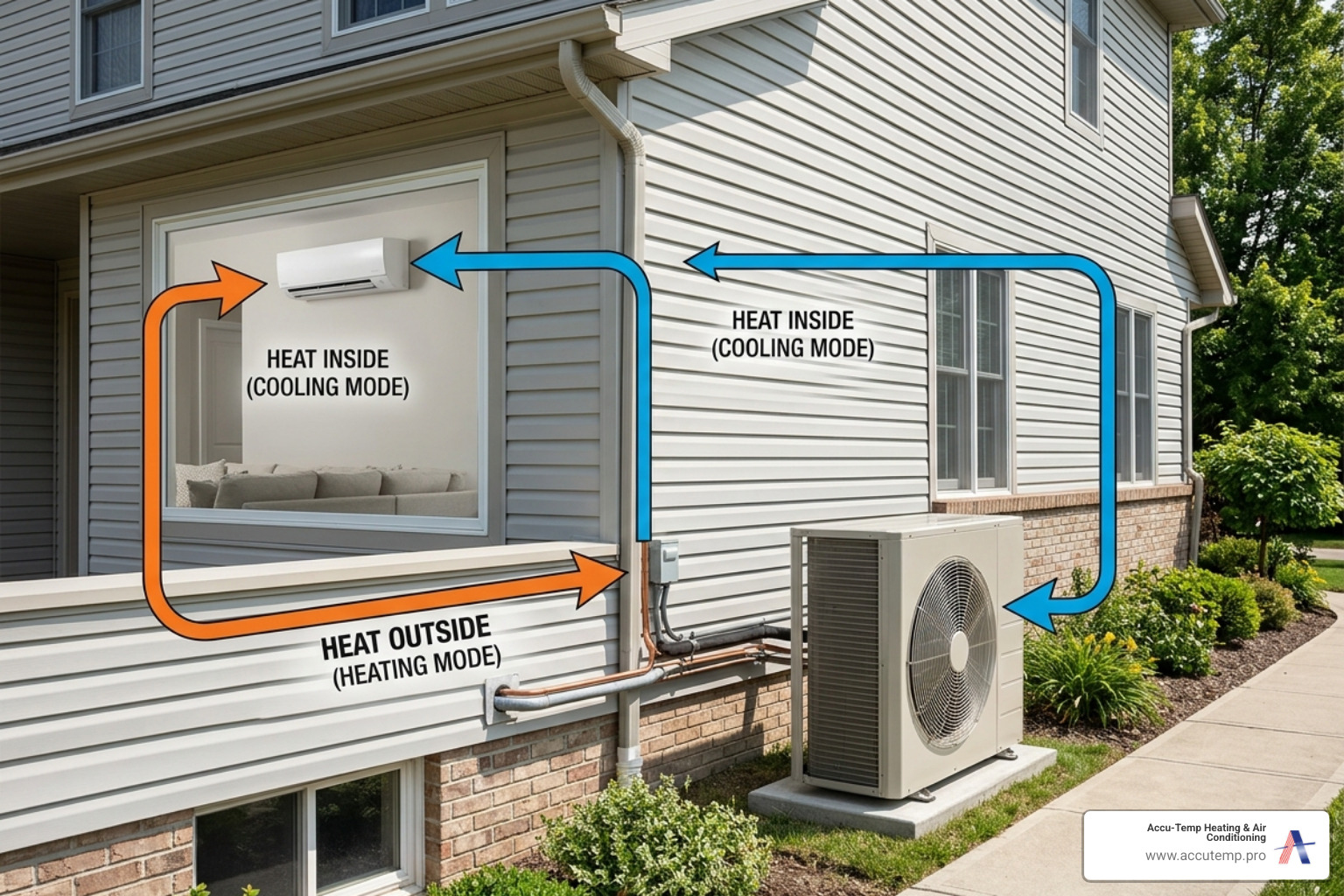
How does a heat pump work is one of the most common questions Florida homeowners ask when shopping for a more energy-efficient heating and cooling system — and it's a great question. Unlike a furnace that burns fuel to create heat, a heat pump simply moves heat from one place to another using electricity and a refrigerant cycle. In summer, it pulls heat out of your home. In winter, it pulls heat in from outside — yes, even from cool outdoor air. The result is a single system that handles both jobs, often using 60–70% less energy than traditional heating systems.
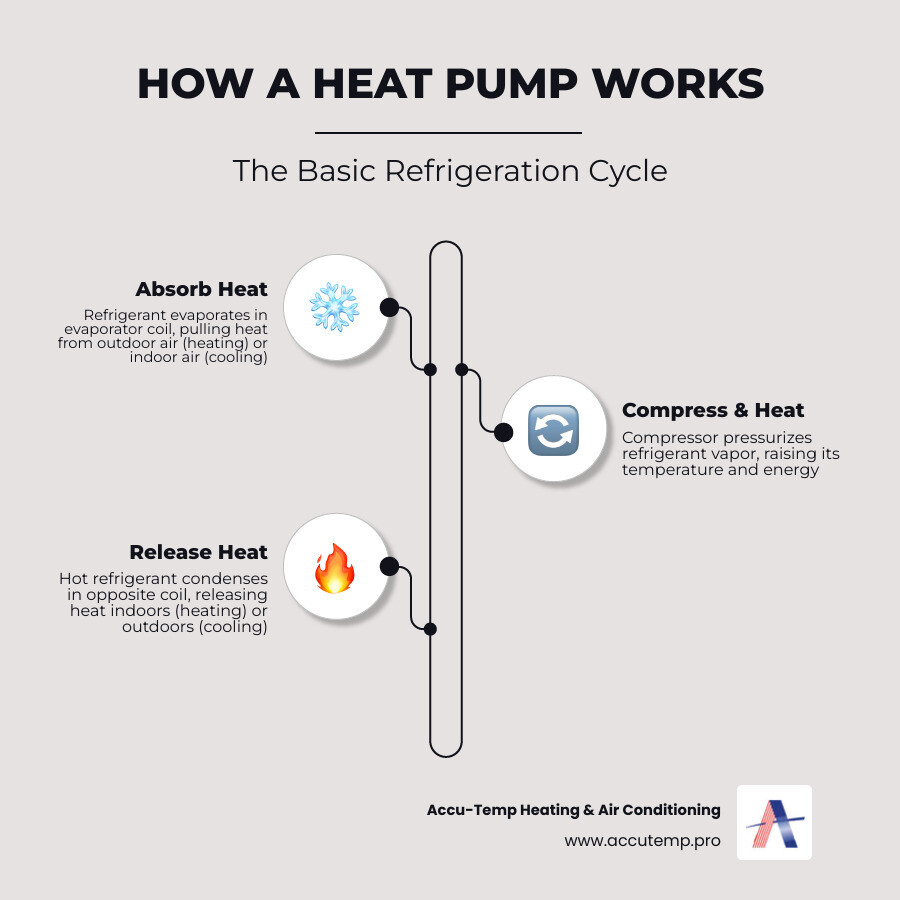
Here's the short version of how it works:
- Refrigerant absorbs heat from a source (outdoor air in winter, indoor air in summer)
- The compressor pressurizes the refrigerant, raising its temperature
- Heat is released through a coil on the other side (indoors in winter, outdoors in summer)
- The expansion valve drops the pressure, cooling the refrigerant so the cycle repeats
- A reversing valve switches the direction of flow to change between heating and cooling modes
That's the core of it. The rest of this guide breaks down each step in plain language so you know exactly what's happening inside your system — and why it's one of the smartest investments a Florida homeowner can make.
What is a Heat Pump and How Does It Differ from a Furnace?
To understand how does a heat pump work, you first have to change how you think about "heating." Most of us are used to furnaces, which create heat by burning natural gas or using electric resistance coils (like a giant toaster). This is known as heat generation.
A heat pump, however, is a heat mover. It uses a small amount of electricity to power a compressor and fans that transport existing heat from one place to another. Even on a chilly night in Flagler Beach or Ormond Beach, there is still thermal energy in the outdoor air. The heat pump captures that energy and brings it inside.
This distinction is why Why Use Heat Pumps And How Do They Work is such a popular topic; by moving heat instead of making it, these systems can be 3 to 5 times more energy-efficient than gas boilers or traditional electric heaters.
When you're deciding Should I Get An Ac Or Heat Pump, the biggest "pro" for the heat pump is its dual-functionality. While a standard air conditioner only moves heat out of your house, a heat pump can flip its internal "map" to move heat into your house during our occasional Florida cold snaps. This means you get year-round comfort from a single piece of equipment, significantly reducing your home's carbon emissions. Considering that roughly 40% of global emissions come from buildings—mostly from heating—switching to a heat pump is one of the best things you can do for the environment.
The Core Components: How Does a Heat Pump Work Internally?
Inside that metal cabinet sitting in your yard is a sophisticated team of components working in perfect harmony. According to The Average Homeowners Guide To Understand Residential Heat Pumps, there are six main players you should know:
- The Compressor: Often called the "heart" of the system. It squeezes the refrigerant, raising its pressure and temperature significantly.
- The Reversing Valve: This is the "brain" that allows the system to switch between heating and cooling. It literally reverses the direction of the refrigerant flow.
- The Expansion Valve: This acts like a nozzle on a spray bottle. It reduces the pressure of the liquid refrigerant, which causes its temperature to plummet so it can absorb more heat.
- The Evaporator Coil: In heating mode, this is located outside. It’s where the cold refrigerant "evaporates" into a gas as it soaks up heat from the air.
- The Condenser Coil: In heating mode, this is inside your home. As the hot gas turns back into a liquid, it "condenses" and releases that heat into your living room.
- Refrigerant: The "blood" of the system. This special fluid has an incredibly low boiling point, allowing it to change from liquid to gas even in freezing temperatures.
The Science of Comfort: How Does a Heat Pump Work in Cooling and Heating Modes?
The magic of the heat pump is rooted in thermodynamics—specifically the pressure-temperature relationship. When you compress a gas, it gets hot. When you allow it to expand, it gets cold. (If you’ve ever used a can of compressed air to clean a keyboard and felt the can get freezing cold, you’ve experienced this firsthand!)
Heat pumps also rely on "latent heat." This is the massive amount of energy absorbed or released when a substance changes phases—like water turning into steam. By forcing the refrigerant to boil (evaporate) and then turn back into a liquid (condense), the system can move huge amounts of heat very quickly. If your system struggles with this, you might notice the Heat Pump Not Cooling properly, which usually points to a breakdown in this refrigeration cycle.
Step-by-Step: How Does a Heat Pump Work in Heating Mode?
When the temperature drops in New Smyrna Beach or St. Augustine, your heat pump kicks into high gear. Here is the play-by-play:
- Extraction: The outdoor fan pulls cold air across the outdoor evaporator coils. Even though the air feels cold to you, it is much warmer than the freezing refrigerant inside the coils.
- Evaporation: The refrigerant absorbs the heat from the air and boils into a low-pressure vapor.
- Compression: This vapor travels to the compressor, where it is squeezed into a high-pressure, super-hot gas.
- Distribution: The hot gas moves to the indoor coil. Your indoor fan blows air over the coil, which picks up the heat and pushes it through your ductwork.
- Condensation: As the refrigerant gives up its heat, it turns back into a liquid and heads back outside to start over.
If you find your Heat Pump Not Heating, it could be due to a refrigerant leak or a failing compressor that can't reach the necessary pressures.
Reversing the Flow for Summer Cooling
In the summer, the reversing valve flips, and the process works exactly like a standard air conditioner. The indoor coil becomes the evaporator (absorbing heat from your home), and the outdoor coil becomes the condenser (rejecting that heat into the Florida humidity).
One major benefit of this cycle is dehumidification. As the indoor coil gets cold, moisture from your humid Florida air condenses on the coil and drains away. If your home feels sticky, you might want to investigate Why Your Your Heat Pump Isnt Dehumidifying to ensure your system is properly balanced.
Efficiency and Performance: Why Heat Pumps Outshine Traditional Systems
When we talk about efficiency, we use a term called the Coefficient of Performance (COP).
| System Type | Typical Efficiency / COP | Energy Source |
|---|---|---|
| Heat Pump | 300% - 400% (COP of 3-4) | Electricity |
| Gas Boiler | 90% - 95% | Natural Gas |
| Electric Resistance | 100% (COP of 1) | Electricity |
A COP of 4 means that for every 1 unit of electricity you pay for, the heat pump delivers 4 units of heat. Because they move heat rather than creating it, they are the only systems that can be more than 100% efficient. This is one of the primary Advantages Of Heat Pump Systems: they can save you 60% to 70% on energy compared to traditional electric furnaces or space heaters.
Extracting Heat from Frigid Air
A common misconception is that heat pumps don't work when it's cold. While it's true that efficiency can dip as the temperature difference between inside and outside grows, modern "cold-climate" heat pumps are incredible. Some models can operate effectively down to -22°F!
They do this by using refrigerants with extremely low boiling points and variable-speed compressors. During the winter, you might notice your outdoor unit frosting over. This is normal! The system will occasionally enter a "defrost cycle" to melt the ice. However, if your unit becomes a solid block of ice, you may be facing Common Heat Pump Defrost Cycle Problems that require a professional look.
Choosing the Right Type for Your Home
Not every heat pump looks the same. Depending on your property in Palm Coast or Daytona Beach, one of these might be a better fit:
- Air-Source Heat Pumps: The most common type. They swap heat with the outside air. They are easy to install and work perfectly for our Florida climate.
- Ground-Source (Geothermal): These use loops of pipe buried underground. Since the earth stays a constant 50–60°F year-round, these are incredibly efficient but have higher upfront installation needs.
- Hybrid (Dual-Fuel): These pair a heat pump with a gas furnace. The heat pump handles the mild days, and the gas furnace kicks in only during extreme freezes.
- Ductless Mini-Splits: Perfect for homes without existing ductwork or for room additions. They connect an outdoor unit directly to small indoor air handlers mounted on the wall.
If you're still unsure which fits your lifestyle, reading Expert Answers Heat Pump Faq To Enhance Your Knowledge can help clear up the technical jargon.
Frequently Asked Questions about Heat Pump Mechanics
At what temperature do heat pumps stop working?
Most modern heat pumps work efficiently down to about 25°F. Below that, they may struggle to keep up. This is When Should We Switch Our Heat Pump Thermostat To Emergency Heat. Emergency heat uses electric resistance strips to provide a temporary boost, though it is less efficient.
Why does my heat pump blow lukewarm air?
If you’re used to a gas furnace that blasts 120°F air, a heat pump might feel "cool." Most heat pumps discharge air at about 90–100°F. While it’s plenty warm to heat your home, it’s lower than your body temperature (98.6°F), so it can feel lukewarm to the touch. This is normal! However, if it feels actually cold, check out Why Heat Pumps Blow Lukewarm Air for troubleshooting tips.
How long do heat pump systems typically last?
With proper care, a well-installed heat pump can last 10 to 25 years. Because these systems run year-round in Florida, maintenance is non-negotiable. Following a Heat Pump Maintenance Complete Guide can help you avoid premature breakdowns and keep your utility bills low.
Experience the Accu-Temp Difference
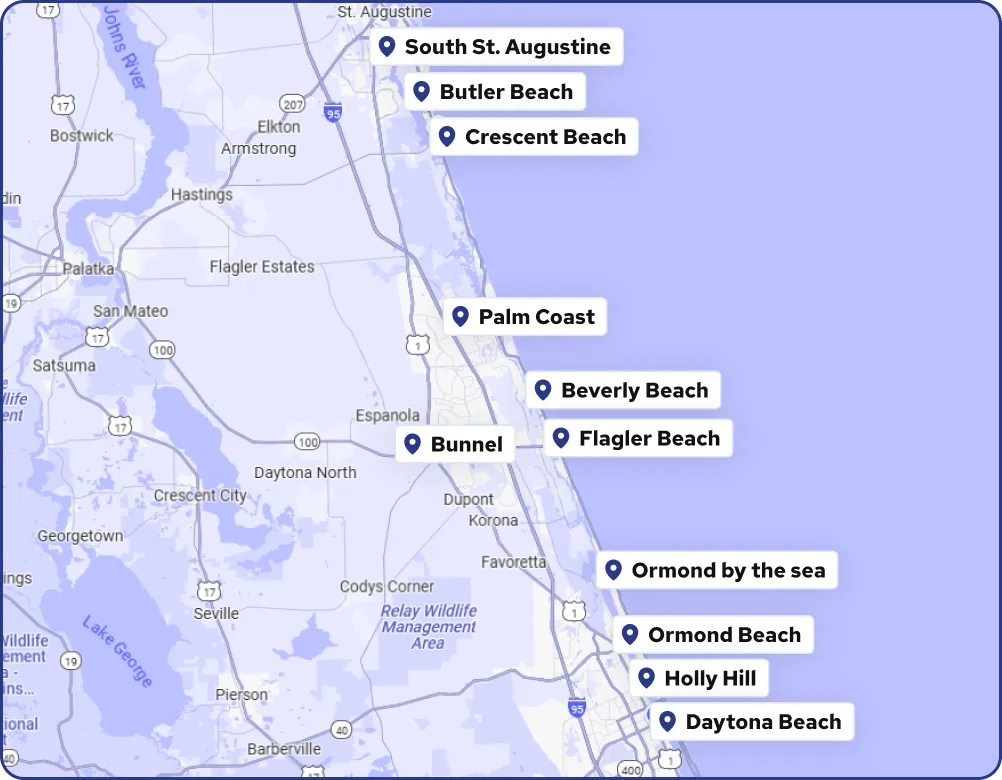
Understanding how does a heat pump work is the first step toward a more comfortable, energy-efficient home. At Accu-Temp Heating & Air Conditioning, we’ve been helping our neighbors in Bunnell, Daytona Beach, Palm Coast, and across Flagler and Volusia counties since 2006.
As a family-owned business, we stand behind our work with a 100% satisfaction guarantee. Whether you need a brand-new installation or routine Heat Pump Maintenance to keep your system running at peak COP, our expert technicians are here to help. We service all major brands and offer flexible financing to make your home upgrade as stress-free as possible.
Ready to see how much you could save with a modern heat pump? Schedule Your Heat Pump Service with Accu-Temp today and let us bring the "sweat-free" comfort back to your home!
Contact Us
Latest articles



Service Areas