


Fast and Reliable Heating Installation & Replacement
Caught off-guard by a heating system breakdown? Get fast, professional installation and replacement services that ensure your home stays warm and comfortable. Contact us immediately or apply for financing today to schedule your system assessment.
Residents in South St Augustine often underestimate the chill of a North Florida winter until their system fails. When temperatures drop into the 40s, a reliable heating system is a necessity, not a luxury. We provide comprehensive solutions designed to restore your home's comfort quickly and efficiently.
- Rapid response with same-day service options.
- Transparent pricing and flexible financing available.
- All installations adhere to local safety and building codes.
Backed by a comprehensive service warranty and over 50 years of local expertise.
Immediate Solutions for System Failures
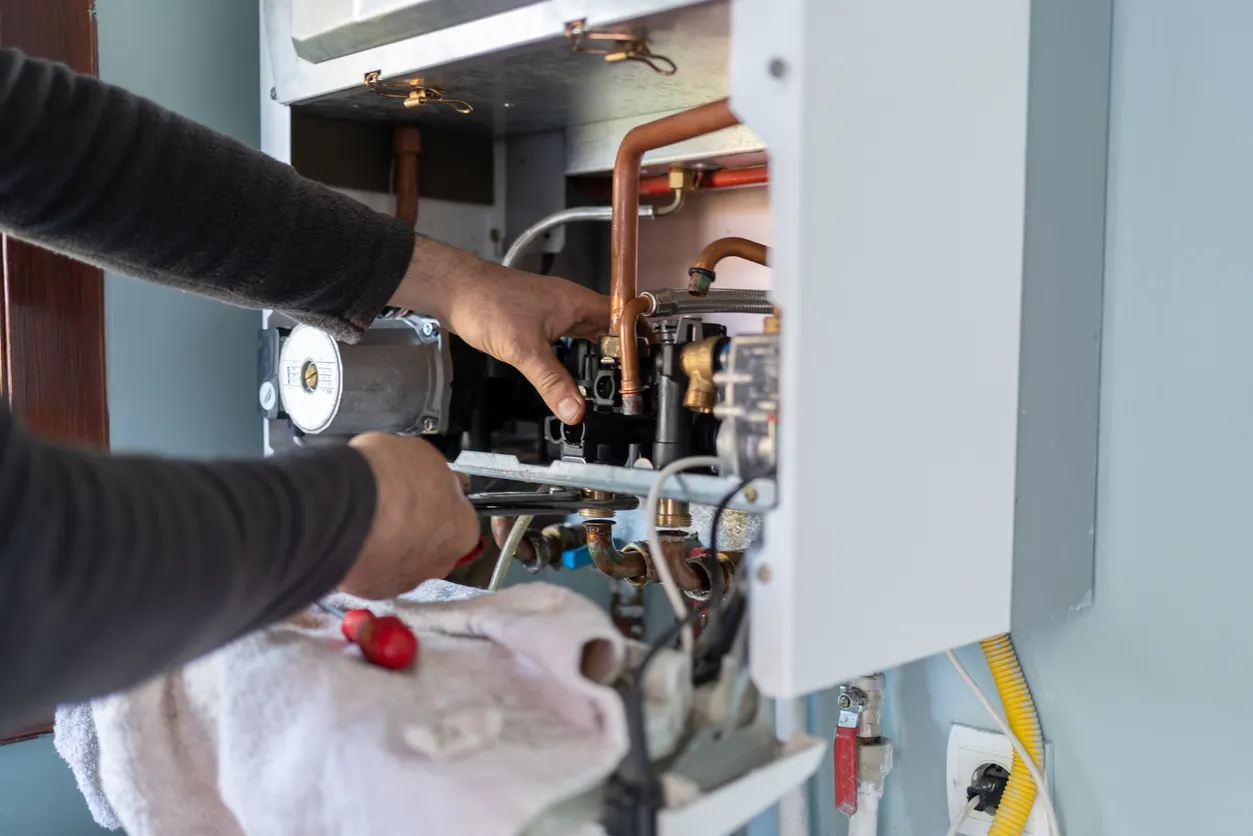
When a heating system fails completely, homeowners need more than just a quick fix; they need a permanent solution that guarantees long-term performance. In South St Augustine, FL, the unique climate demands specific equipment capable of handling high humidity and salt air exposure while providing consistent warmth during cold snaps. Accu-Temp Heating and Air Conditioning provides full-service installation and replacement to address these specific needs immediately.
The scope of a heating replacement goes beyond swapping out one box for another. Modern systems are significantly more advanced than units manufactured even a decade ago. A proper installation begins with a comprehensive evaluation of the home's thermal envelope. This ensures that the new unit interacts correctly with existing ductwork, insulation levels, and window placements.
Services available immediately include:
- Full System Diagnostics: Technicians verify that the system is truly beyond repair before recommending replacement.
- Load Calculation: Performing Manual J calculations to ensure the new unit is perfectly sized for the square footage and heat loss profile of the home.
- Equipment Removal: Safe disconnection and disposal of the old furnace or heat pump in compliance with environmental regulations.
- Ductwork Inspection: checking for leaks, collapses, or insulation failures that could compromise the efficiency of the new system.
- System Selection: Guidance on choosing between heat pumps, electric furnaces, or gas furnaces based on energy availability and efficiency goals.
The Installation Process Explained
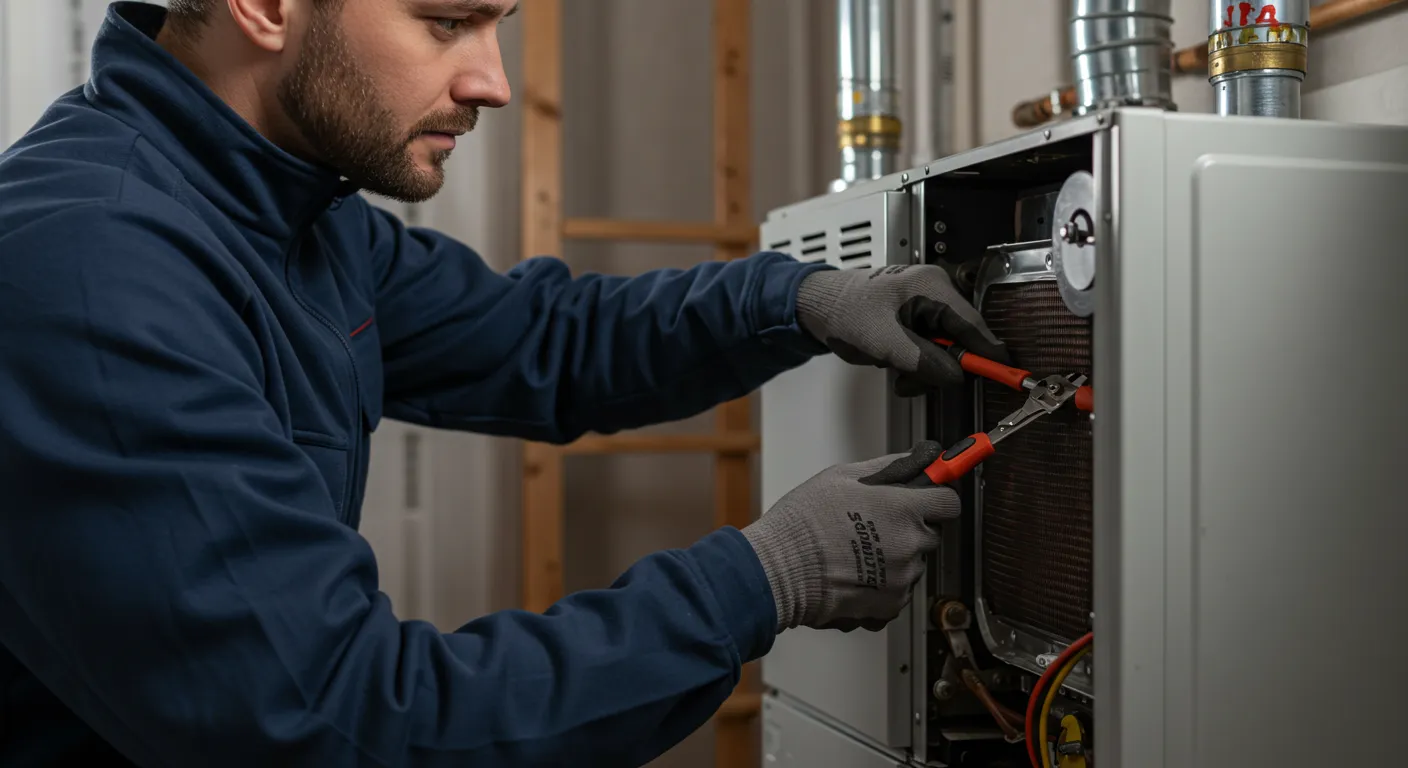
A standardized, rigorous installation process ensures that every heating system operates at peak efficiency from the first day. Improper installation can reduce system efficiency by up to 30%, leading to higher energy bills and premature failure. The focus remains on precision, safety, and adherence to manufacturer specifications.
Site Preparation and Protection
Technicians arrive fully equipped to protect the property. Floor coverings and drop cloths are placed to prevent damage to flooring and furniture. The workspace is cleared, and power to the HVAC circuit is verified off to ensure safety during the electrical disconnect.
System Sizing and Selection
Before any equipment is moved, a verification of the sizing requirements takes place. Oversized units cycle on and off too frequently (short cycling), leading to humidity issues and wear and tear. Undersized units run continuously without reaching the set temperature. The correct size is determined through calculation, not guessing based on the previous unit's size.
Removal of Existing Equipment
The old air handler, furnace, or heat pump is disconnected. Refrigerant is recovered into approved cylinders to prevent atmospheric venting. Gas lines, if applicable, are capped and safety-checked. The old unit is removed from the premises for recycling.
Infrastructure Upgrades
If the existing plenum or duct connections do not match the new high-efficiency equipment, custom transitions are fabricated. This ensures airtight seals and proper airflow static pressure. Drain lines are flushed or replaced to prevent future clogs, and emergency drain pans are installed with safety float switches.
Equipment Installation
The new indoor and outdoor units are positioned and leveled. For outdoor units in coastal areas, composite pads or stands are used to elevate the system above potential standing water or debris. Refrigerant lines are brazed with nitrogen to prevent internal oxidation.
Electrical and Control Setup
High-voltage wiring is connected and torqued to specification. Low-voltage control wiring is installed to the thermostat. New programmable or smart thermostats are often installed to maximize the control over the new heating curves and fan speeds.
Commissioning and Testing
The system is not considered installed until it passes a commissioning phase. This involves checking static pressure, measuring temperature rise across the heat exchanger, verifying refrigerant charge using subcooling and superheat methods, and testing all safety limits.
Determining When to Replace vs. Repair
Deciding between another repair bill and a full system replacement is a financial and logistical calculation. While repairs may seem cheaper upfront, an aging system often becomes a money pit. There are clear technical indicators that suggest replacement is the more prudent financial decision.
The 50% Investment Rule
If the cost of the repair approaches or exceeds 50% of the value of the system (or the cost of a new system), replacement is generally the better option. Putting expensive parts into an old compressor or heat exchanger rarely extends the life of the unit significantly.
System Age and Expected Lifespan
Most heat pumps and central heating systems in Florida last between 10 and 15 years. The combination of salt air corrosion and long run times during the summer cooling season wears down components faster than in other climates. If a system is over 12 years old and requires a major repair, replacement offers better long-term value.
Rising Energy Bills
As internal components wear, motors create more friction and heat exchangers foul, causing the system to draw more amperage to do the same amount of work. A sudden or gradual increase in kilowatt-hour usage during the heating season indicates lost efficiency. Modern SEER2 and HSPF2 rated systems can lower energy consumption significantly compared to older models.
Frequency of Breakdowns
"Nickel and diming" refers to the pattern of needing multiple minor repairs in a single season. If a homeowner calls for service more than twice a year, the system is unreliable. Frequent breakdowns also pose a risk of failure during peak holidays or cold snaps when service queues are longest.
Comfort Issues
Uneven heating, cold spots in certain rooms, or excessive noise are signs the system is failing or was never sized correctly. A new installation corrects airflow issues and utilizes variable-speed technology to provide consistent, quiet comfort.
Local Factors Affecting Heating in Florida
Operating a heating system in South St Augustine presents unique challenges compared to the rest of the country. The proximity to the ocean and the specific humidity levels of the region dictate specific installation requirements and maintenance needs.
Corrosion and Salt Air
Coastal environments accelerate the oxidation of aluminum fins and copper coils. Standard equipment may corrode within a few years. Installations in this region often require units with special epoxy coatings or "coastal packages" designed to resist salt degradation.
Humidity Control
Even in winter, Florida can experience humid days. Heat pumps are the primary heating source in this area. A properly installed heat pump acts as a dehumidifier. If the unit is oversized, it will cool or heat the space too quickly without running long enough to remove moisture, leading to a "clammy" feeling indoors.
Heat Pump Dominance
Unlike northern states that rely heavily on gas furnaces, this region relies predominantly on electric heat pumps. These systems reverse the flow of refrigerant to extract heat from the outside air and bring it inside. Modern heat pumps are effective even when temperatures drop to freezing, but they require a backup emergency heat strip (electric resistance heating) for the rare nights when temperatures plunge. Verifying the proper sizing of this backup heat strip is a critical part of the local installation process.
Permitting and Code Compliance
St. Johns County and local municipalities have strict building codes regarding HVAC installations. Permits are required for system replacements to ensure electrical safety and storm resilience.
- Tie-down requirements: Outdoor units must be anchored to withstand high wind loads during tropical storms and hurricanes.
- Electrical upgrades: Older homes may need electrical panel upgrades to handle modern equipment requirements.
- Inspection: A final inspection by a county official is standard procedure to close the permit and validate the safety of the work.
- Utility Rebates and Incentives
Local utility providers often offer rebates for upgrading to high-efficiency heat pumps. These programs change annually but can significantly offset the cost of installation. Professional installers assist in identifying and qualifying for these rebates based on the SEER2 and HSPF2 ratings of the new equipment.
Technical Efficiency Standards Explained
Understanding the metrics used to rate heating systems helps homeowners make informed purchasing decisions.
HSPF2 (Heating Seasonal Performance Factor)
This rating measures the efficiency of the heat pump in heating mode. A higher number indicates a more efficient unit. Federal regulations changed recently to HSPF2, which is a more rigorous testing standard. Investing in a higher HSPF2 unit reduces electricity usage during the winter months.
SEER2 (Seasonal Energy Efficiency Ratio)
While this measures cooling efficiency, it is relevant because the same heat pump provides air conditioning. In Florida, a high SEER2 rating is crucial for year-round energy savings.
- Variable Speed vs. Single Stage
- Single-Stage: Runs at 100% capacity whenever it is on. It is the cheapest upfront but less efficient and louder.
- Two-Stage: Can run at 65% or 100% capacity. It offers better humidity control and quieter operation.
- Variable Speed (Inverter): Adjusts output in tiny increments (e.g., 1% steps) to match the exact heating load of the house. This is the most efficient and comfortable option, eliminating temperature swings.
Why Professional Execution Matters
The difference between a system that lasts 15 years and one that fails in 7 often comes down to the quality of the installation. Manufacturers produce high-quality equipment, but that equipment is only as good as the technician who installs it. A box sitting in a warehouse has potential; a professionally installed system delivers results.
Professional installation mitigates risks associated with high-voltage electricity and high-pressure refrigerants. It ensures that the manufacturer's warranty remains valid. Most manufacturers explicitly void warranties if the equipment is not installed by a licensed contractor. Furthermore, labor warranties provided by the installer cover any workmanship issues that might arise in the first year or more.
When you select Accu-Temp Heating and Air Conditioning for your replacement, we ensure that every technical specification is met with precision. This includes purging lines with nitrogen during brazing to prevent contaminants, using digital microns gauges to ensure a perfect vacuum, and verifying airflow across the coil. These invisible steps are what differentiate a professional trade job from a handyman fix.
Securing Your Home Comfort
A heating system is a critical component of home infrastructure. Whether facing an emergency breakdown or planning a proactive upgrade to improve energy efficiency, the goal is consistent, reliable warmth. Ignoring the signs of a failing system can lead to higher costs and discomfort during the winter season.
Invest in a solution that considers the specific climate challenges of the region, from salt air to humidity control. Ensure that the installation meets all local codes and wind-load requirements. A professional assessment will provide the data needed to choose the right size and type of unit for the property.
Do not wait for the next cold snap to discover your heater has failed. Schedule a professional consultation to discuss your heating installation and replacement needs today.
Contact Us
Why Choose One Company for Everything?

Simplicity

Expertise

Savings
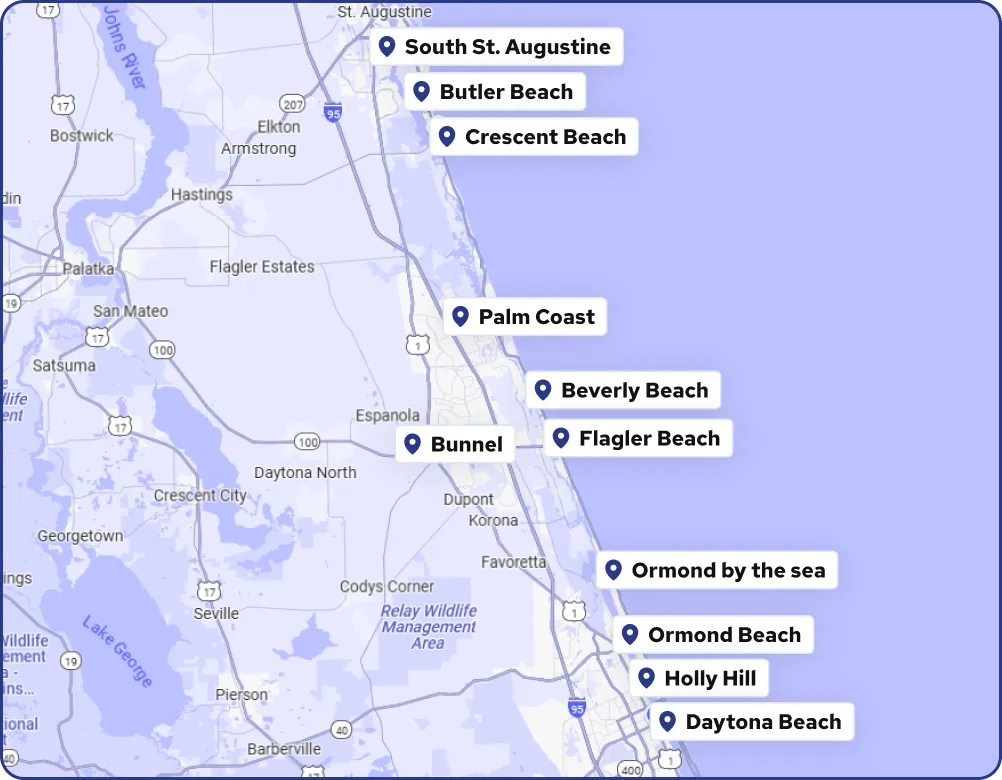
Service Areas