


Is Your Heating System Failing to Keep You Warm?
Is your heating system struggling to keep up with the colder nights in South St. Augustine, or are you noticing a spike in your energy bills without a change in usage? You might need a professional maintenance check to ensure everything is running smoothly and to prevent a complete system failure during the winter season. Contact us today to schedule your comprehensive heating inspection and tune-up.
While Florida winters are generally mild, a malfunctioning heater can make your home uncomfortable and unsafe. Ignoring minor irregularities such as strange noises, weak airflow, or frequent cycling often leads to expensive repairs down the line. Our team focuses on identifying these root causes immediately. We inspect your unit, clean vital components, and calibrate the system to restore peak performance.
- Get your heating system checked and optimized by our certified technicians to restore reliable comfort.
- Ensure prolonged efficiency of your system with our comprehensive maintenance plans that target wear and tear.
- Avoid unexpected breakdowns and extend the lifespan of your heating unit through proactive care.
All services are backed by a full warranty and comply with local building codes, giving you peace of mind that the job is done right the first time.
What Our Heating Service Maintenance Includes
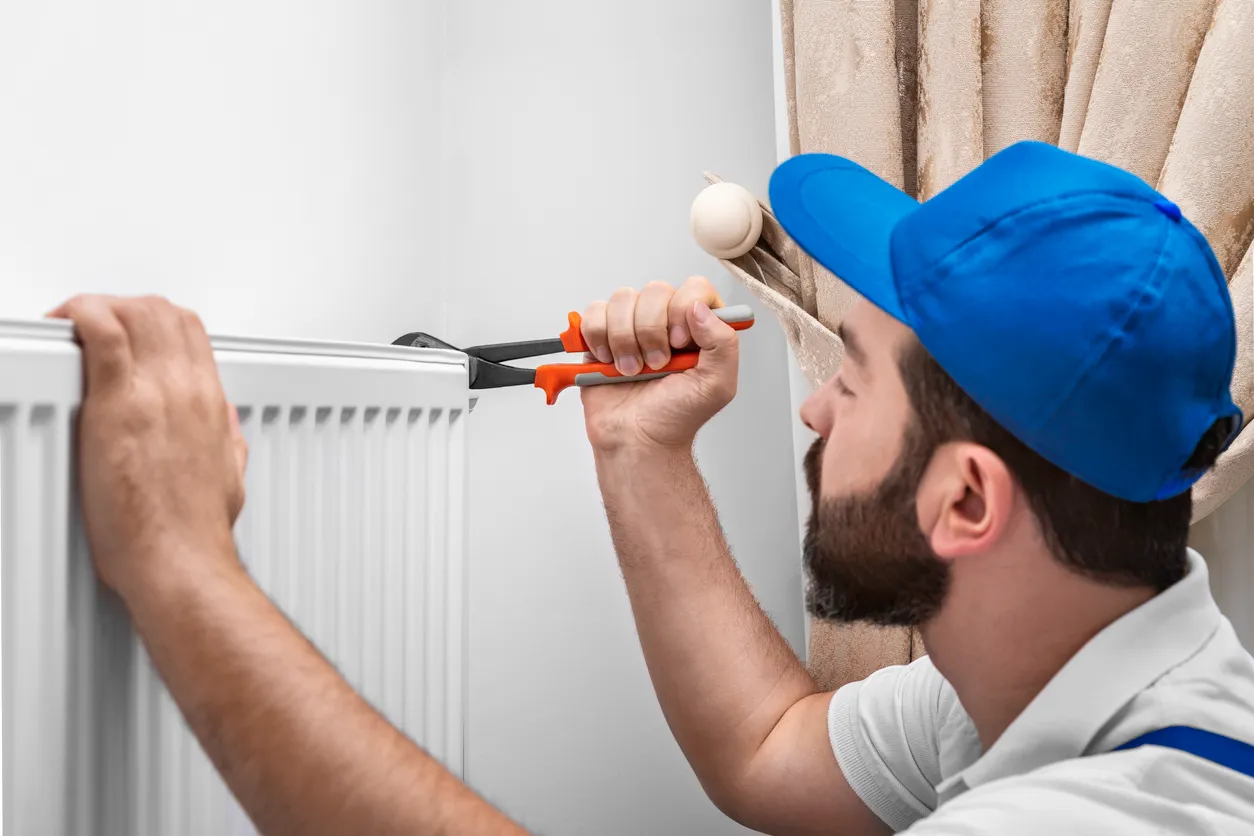
Heating maintenance is not just a quick visual inspection; it is a deep cleaning and calibration process designed to reverse the effects of wear and tear. In South St. Augustine, heating systems often sit idle for months, accumulating dust and debris that can hamper performance when you finally switch them on. A professional tune-up addresses the mechanical, electrical, and safety aspects of your HVAC equipment.
Our maintenance service covers a comprehensive checklist of components. We begin by inspecting the heat exchanger. This is a critical safety step, as a cracked heat exchanger can leak carbon monoxide into your living space. We also focus heavily on the blower motor and the belt system. If the belt is loose or cracked, it can snap and cause the system to overheat. If the motor is struggling due to lack of lubrication, it draws more amperage, driving up your electric bill.
Electrical connections are another primary focus. Over time, vibrations from the unit can loosen wires, leading to arcing, short circuits, or burnt-out capacitors. We tighten all connections and measure the voltage and amperage of the motor to ensure it is operating within manufacturer specifications.
Cleaning is equally important. We clean the burners to ensure proper ignition and combustion. If you have a heat pump—common in Florida—we clean the indoor and outdoor coils. Dirty coils reduce the system’s ability to transfer heat, forcing the unit to run longer to achieve the desired temperature. We also check the condensate drain line. A clogged drain can cause water damage to your home or trigger the system to shut down completely as a safety precaution.
Furthermore, we calibrate the thermostat. Even a slight calibration error can cause your heater to run longer than necessary or fail to reach the set temperature. We verify that the thermostat is reading the room temperature accurately and communicating effectively with the heating unit. Finally, we inspect and replace standard air filters if needed, as a clogged filter restricts airflow and is the leading cause of premature system failure.
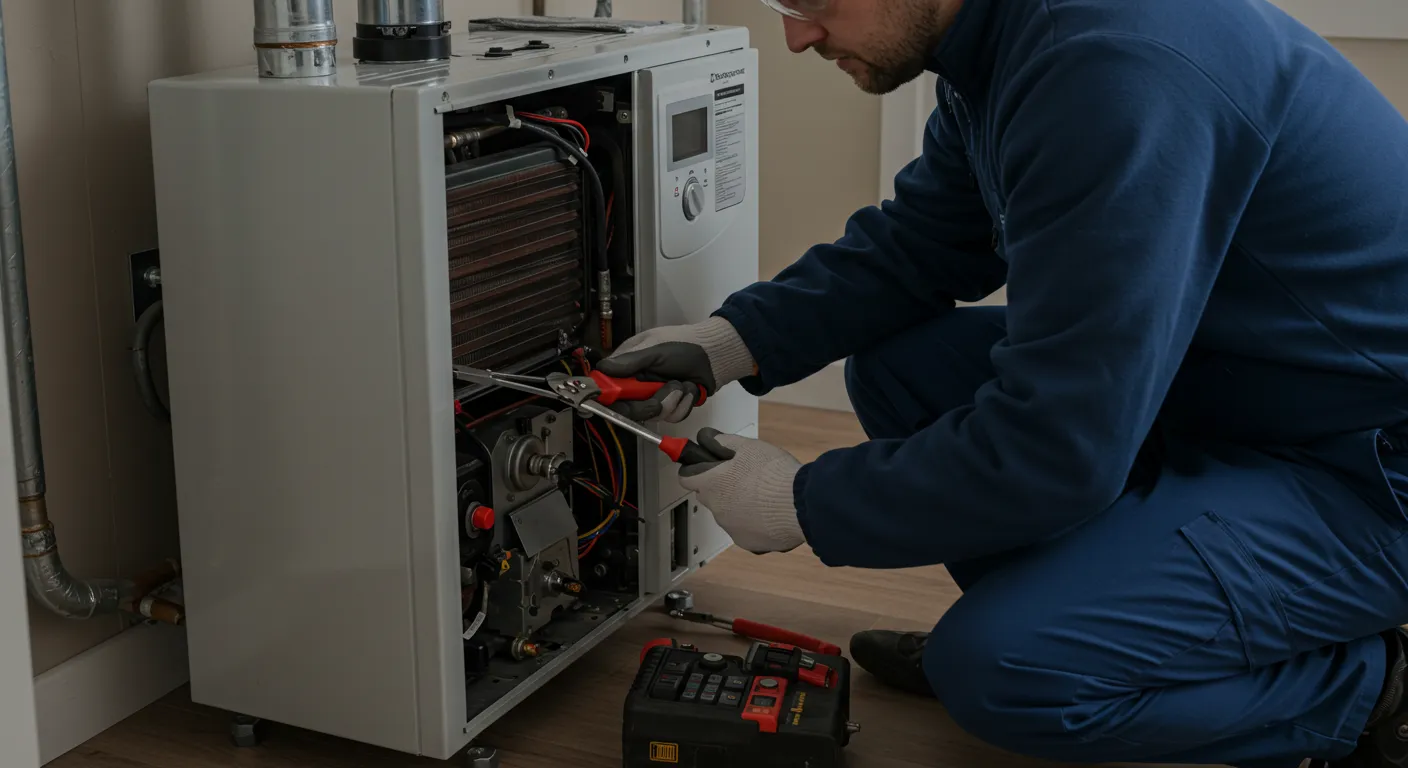
Our Heating Maintenance Process Explained
Understanding exactly what happens during a service visit helps you plan your day and ensures you know what you are paying for. We follow a structured workflow to ensure no component is overlooked.
- First, the technician performs a safety and operation test. This involves turning the system on to listen for unusual noises, checking for unusual odors, and observing the startup cycle. This baseline assessment helps identify immediate issues that may require repair rather than just maintenance.
- Next, the technician shuts off power to the unit to safely access internal components. This allows for a thorough inspection of the electrical compartment. We check the capacitors, contactors, and relays for signs of pitting or wear.
- Following the electrical check, we move to the mechanical cleaning phase. This includes brushing and vacuuming the burner assembly, cleaning the pilot assembly, and wiping down the blower housing. For heat pumps, we wash the outdoor condenser coil to remove dirt, grass clippings, and debris that block airflow.
- After cleaning, we lubricate all moving parts. Friction is the enemy of mechanical efficiency. Lubricating the motor bearings and other friction points reduces drag, lowers electricity usage, and prevents overheating.
- Once the internal work is complete, we reassemble the unit and restore power. The technician then measures the temperature rise. This is the difference in temperature between the air entering the return vent and the air blowing out of the supply registers. This metric tells us if the system is producing the correct amount of heat.
- Finally, Accu-Temp Heating and Air Conditioning technicians review the findings with you. We provide a detailed report of what was done, the current condition of your system, and any recommendations for future repairs or proactive part replacements to prevent mid-winter failures.
Deciding Between Repairing or Replacing Your Heating System
Homeowners in South St. Augustine often face the difficult decision of whether to pour more money into an aging unit or invest in a new system. Making the right choice depends on a combination of financial logic and comfort requirements.
The Age of the Equipment
Heating systems typically last between 10 and 15 years. If your heat pump or furnace is approaching or exceeding this age range, major repairs are often not worth the investment. Older units are significantly less efficient than modern counterparts. Even if a repair gets it running again, the higher monthly utility bills will continue to drain your budget.
The 50% Rule
A common industry standard is the 50% rule. If the cost of the necessary repair approaches 50% of the value of a new system, replacement is the smarter financial move. For example, replacing a compressor or a heat exchanger is labor-intensive and expensive. Putting that money toward a new unit with a fresh warranty provides better long-term value than patching up a dying system — view financing options.
Frequency of Breakdowns
If you have required repairs more than once in the last two years, your system has likely entered the end-of-life phase. Systems tend to fail in a cascade; one part breaks, putting stress on other components, which then fail shortly after. Continuing to repair a system in this state is often referred to as "throwing good money after bad."
Comfort and Humidity Control
As systems age, they lose their ability to circulate air effectively and control humidity. If you notice rooms that are always too cold, or if the air feels clammy and uncomfortable despite the heat being on, the system’s performance has degraded. Modern systems offer variable-speed blowers and two-stage heating, which provide much more consistent temperatures and superior humidity control compared to older, single-stage units.
Energy Efficiency Ratings
Check the SEER (Seasonal Energy Efficiency Ratio) and HSPF (Heating Seasonal Performance Factor) ratings of your current unit. Older units may have ratings that are far below current standards. Upgrading to a high-efficiency system can reduce your heating costs by a significant margin, essentially helping the new unit pay for itself over time through energy savings.
Adhering to Building Codes & Seasonal Advice
Operating a heating system in Florida requires specific attention to local environmental factors and regulations. While the winters in South St. Augustine are milder compared to northern states, the climate presents unique challenges that maintenance must address.
Handling Humidity and Corrosion
The humid subtropical climate means moisture is always present. High humidity, combined with salt air if you are near the coast, accelerates corrosion on outdoor units. Rust can eat away at the condenser coils and electrical connections. Regular maintenance includes inspecting for corrosion and applying protective coatings or recommending cleaning protocols to neutralize salt deposits. This is vital for preventing refrigerant leaks and electrical shorts.
Hurricane Season Impact
Although hurricane season officially ends in November, the storms often leave behind debris and hidden damage that impacts heating season readiness. High winds can shift units off their pads, loosen electrical conduits, or fill the unit with leaves and twigs. A pre-winter maintenance check ensures that your system hasn't sustained structural damage from the storm season that could pose a safety risk when you turn the heat on.
Permits and Building Codes
Any significant modification to your HVAC system, including full replacements or major component change-outs, requires adherence to local building codes. These codes dictate everything from the type of refrigerant piping used to the electrical breaker size and the stand the unit sits on. Properly permitted work ensures that your insurance remains valid and that the installation meets safety standards. Professional maintenance ensures that your existing setup remains code-compliant, particularly regarding electrical safety and exhaust ventilation.
Transitioning Seasons
The transition from cooling to heating is the moment most systems fail. The reversing valve on a heat pump, which switches the unit from A/C mode to heating mode, can get stuck if it hasn't been used in months. Technicians test this specific function during maintenance to ensure you aren't left with a system that only blows cold air when the first cold front hits.
Why Choose Us? Certifications and Customer Feedback
Selecting the right service provider is the difference between a quick fix and a long-term solution. You need a team that understands the specific load calculations and climate challenges of the region.
Technical Expertise and Training
Our technicians undergo rigorous training to stay updated on the latest HVAC technologies. Whether you have a traditional split system, a package unit, or a modern ductless mini-split, we have the diagnostic tools and knowledge to service it correctly. We do not guess; we use static pressure gauges, combustion analyzers, and multimeters to obtain precise data on your system’s performance.
Inventory and Availability
We understand that heating issues rarely happen at convenient times. Our service trucks are stocked with the most common repair parts, including capacitors, contactors, igniters, and control boards. This preparation allows us to complete most repairs during the initial maintenance visit, saving you the hassle of scheduling a follow-up appointment.
Transparent Communication
We believe in educating our clients. We don't just tell you a part is broken; we explain why it failed and show you the damaged component. We provide clear, written estimates before any repair work begins, so there are no surprise charges on your final bill. Our goal is to give you the information you need to make the best decision for your home and budget.
Commitment to Safety
Safety is our top priority. Heating systems involving gas or high-voltage electricity pose inherent risks if mishandled. Our protocols ensure that every safety switch, limit control, and exhaust flue is tested and verified. We treat your home with respect, using drop cloths and shoe covers to keep your living space clean while we work.
When you need reliable heating performance, Accu-Temp Heating and Air Conditioning delivers thorough maintenance that protects your investment. Don't wait for the first freeze to discover a problem.
Call Us Now
Ensure your home stays warm and safe this season—schedule your heating maintenance service now.
Contact Us
Why Choose One Company for Everything?

Simplicity

Expertise

Savings
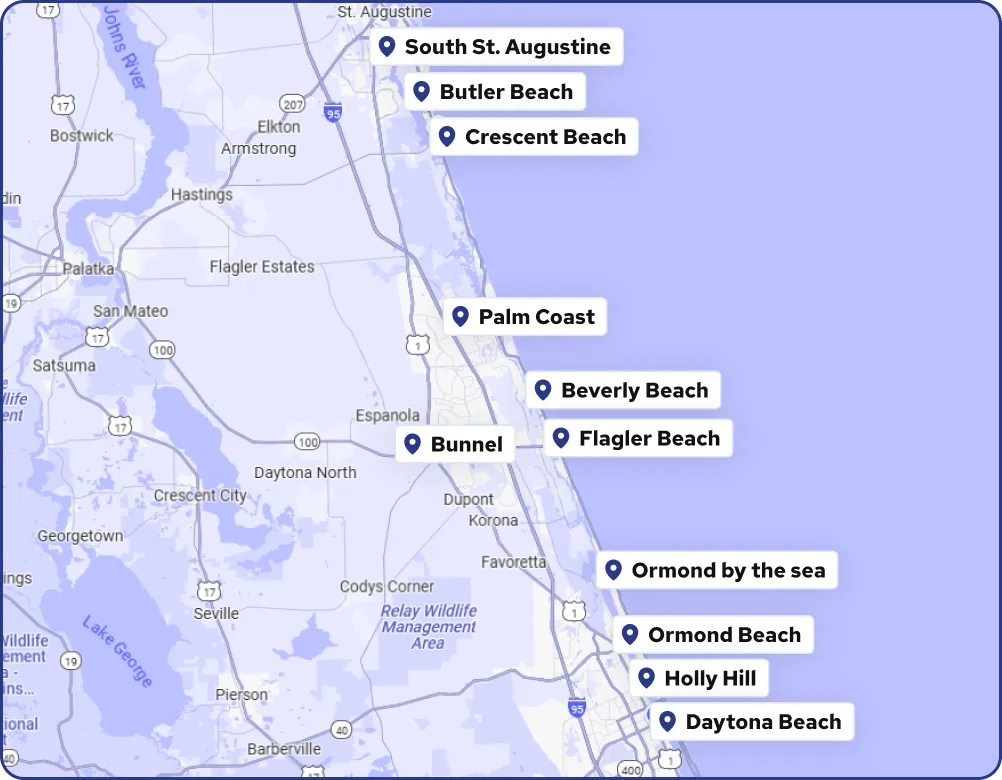
Service Areas